
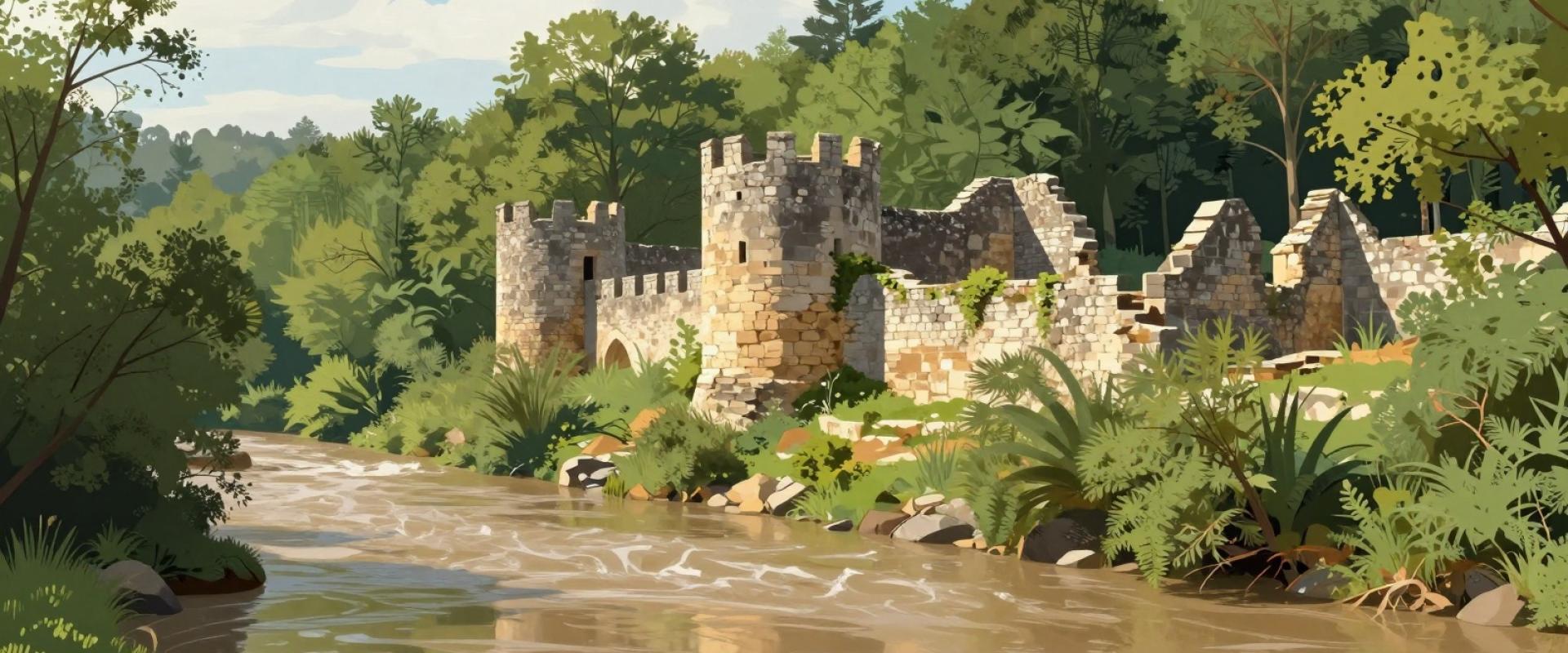
AI-generated illustration
Discovering Chaves
Roman ruins and medieval history in Chaves
1 day
•
Easy difficulty
•
Est. €37
Day 1: Roman Heritage and Medieval Charm in Chaves
A comprehensive day exploring Chaves' rich history, from its Roman origins to its medieval fortifications, including visits to the iconic Roman Baths, Trajan Bridge, and the Castle.
-
09:00
Roman Baths of Chaves (Termas de Viana Romanas)
Start your day at one of the most significant Roman thermal sites in the Iberian Peninsula. Explore the ancient pools, fountains, and the impressive hydraulic system that has been in use for nearly 2,000 years. The water here is still warm and therapeutic.
-
10:30
Trajan Bridge (Ponte de Trajano)
Walk across the historic Roman stone bridge, one of the oldest in Portugal. Built in the 1st century AD, it connects the old town with the area near the Roman Baths. Enjoy views of the Tâmega River and the surrounding landscape.
-
11:15
Chaves Castle (Castelo de Chaves)
Climb up to the medieval castle, a key defensive structure in the region. Explore the keep, the walls, and the museum inside, which houses artifacts from the Roman and medieval periods. The view from the top offers a panoramic perspective of the town.
-
12:30
Lunch in the Historic Center
Enjoy a traditional Portuguese lunch in the old town. Try local specialties such as 'Rojões' (spiced beef cubes) or 'Bacalhau à Brás' (shredded cod with eggs and potatoes). Pair with a local Vinho Verde.
-
14:30
Igreja Matriz de Santa Maria Maior
Visit the main parish church, a beautiful example of Manueline and Gothic architecture. Admire the intricate stonework, the altarpieces, and the serene atmosphere of this historic religious site.
-
15:45
Flaviense Region Museum (Museu da Região Flaviense)
Learn more about the local history and culture at this museum housed in a former convent. Exhibits cover archaeology, ethnography, and the history of Chaves from prehistoric times to the present.
-
17:00
Stroll in Parque da Cidade
Relax in the city park, a green oasis in the heart of Chaves. Enjoy a leisurely walk, relax on a bench, and perhaps enjoy a coffee or ice cream at one of the kiosks.
Meals:
Lunch at Historic Center, near Igreja Matriz , Snack at Parque da Cidade Kiosk
Where to stay: Stay in the historic center for easy access to attractions. Options range from boutique hotels in restored medieval buildings to modern hotels near the river.
Getting around: The historic center is compact and best explored on foot. Parking is available on the outskirts of the center, with a short walk to the main sites.
Practical Information
Chaves is best visited during spring (April to June) or autumn (September to October) when temperatures are mild, ranging from 15°C to 25°C. Summer months can be hot and dry, while winters are cold with potential frost, though the thermal springs remain inviting year-round. For transportation, Chaves is accessible by bus from Porto or Braga, with regular services operated by local carriers. Upon arrival, the historic center is compact and highly walkable, making it easy to explore the Roman Bridge, Trajan’s Bridge, and the Castle on foot. However, if you plan to visit the nearby thermal parks or surrounding natural areas, renting a car provides necessary flexibility.
Accommodation options are concentrated in the town center and near the thermal springs. Staying in the historic center allows for easy access to the Roman ruins and medieval monuments, while hotels near the thermal parks offer relaxation-focused amenities. Budget considerations for a one-day trip should account for entrance fees to the Roman Baths and the Castle, which are the primary paid attractions. Meals are generally affordable, with local specialties like *presunto* (cured ham) and regional wines offering good value. Mid-range hotels provide comfortable stays without the premium cost of luxury resorts, and many restaurants offer daily menus (*prato do dia*) for economical dining.
When packing, bring comfortable walking shoes with good grip, as the cobblestone streets and ancient stone bridges can be uneven. Layered clothing is essential due to variable weather conditions, especially if visiting the thermal parks where you may swim. Include swimwear if you intend to use the public or private thermal facilities, and carry a reusable water bottle, as tap water is safe to drink. Important tips for travelers include checking opening hours for the Roman Baths and museums in advance, as they may have limited weekend hours. Respect local customs by greeting shopkeepers with a polite *bom dia* or *boa tarde*. Finally, carry some cash in Euros, as smaller vendors and rural cafes may not accept credit cards, ensuring a smooth and enjoyable experience in this historic border town.
Book your stay
More Itineraries
7 days
Alentejo Highlights Tour
Seven-day tour of Alentejo's historic towns and cork oak landscapes
View Itinerary →
7 days
Algarve Highlights Tour
7-day tour of Algarve's cliffs, beaches, and historic towns
View Itinerary →