







Rail Network Overview
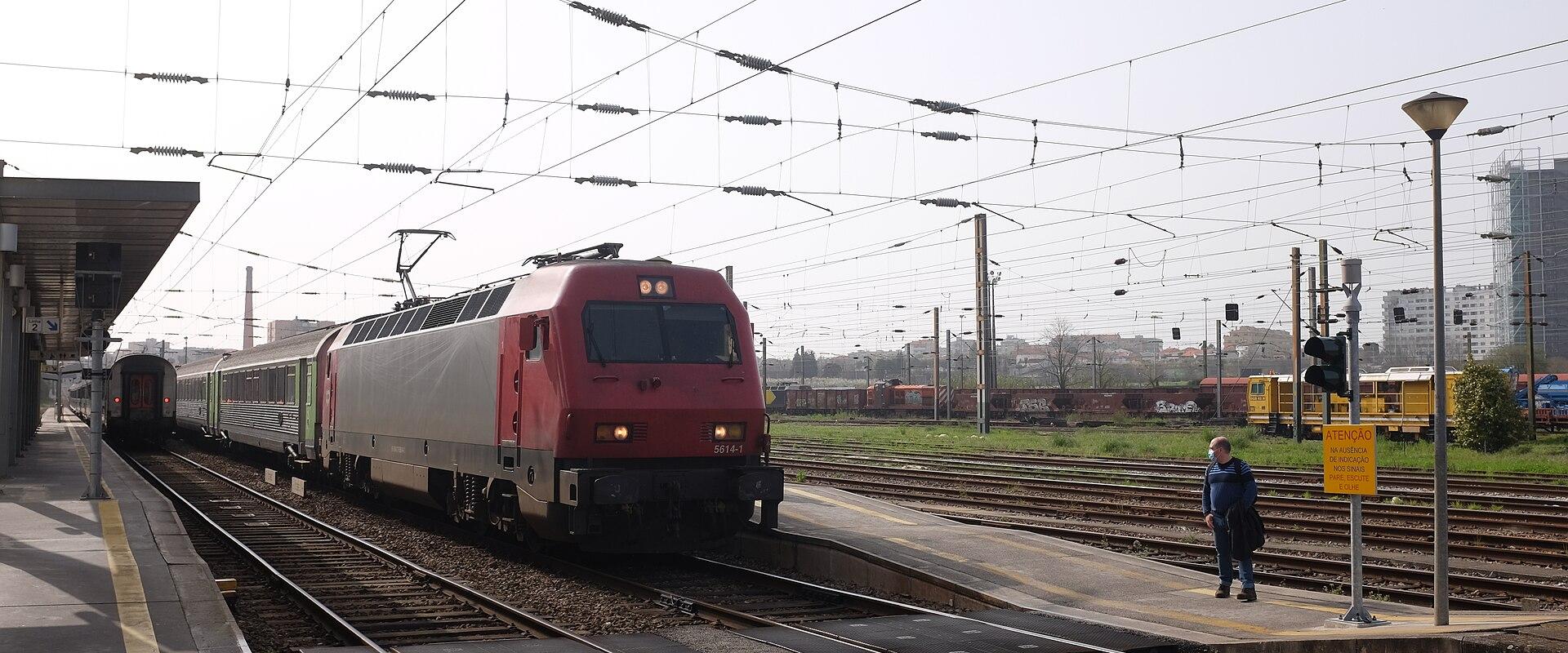
Comboios de Portugal (CP) operates the national rail network. Metro do Porto manages urban transit in the north. CP offers three main intercity tiers. Alfa Pendular provides high-speed service along the coast. Intercidades trains connect major cities with fewer stops. Regional services serve local communities and rural areas. The network concentrates heavily along the western coast. The central spine links Lisbon to Porto. Inland rural regions have limited rail access. Travelers often need buses for remote exploration. CP tickets vary by service class and speed. Advance booking reduces fares significantly. Metro do Porto uses contactless smart cards. Urban lines cover Porto and surrounding municipalities. Inter-city travel requires separate CP reservations. The system prioritizes coastal connectivity over inland reach. Rural stations may have infrequent schedules. Planning ahead ensures efficient transit across the country.
Ticketing and Fares
Portuguese rail fares vary significantly by service tier. High-speed Alfa Pendular trains use dynamic pricing. Fares increase as departure dates approach. Booking weeks in advance secures the lowest rates. Intercity services also employ variable pricing models. Regional trains operate on fixed, lower fare structures. These costs remain stable regardless of booking time. The Portugal Card excludes Alfa Pendular services entirely. Travelers must purchase separate tickets for these trains. Refund policies depend on the specific ticket type. Flexible fares allow changes with minimal fees. Standard tickets often carry non-refundable restrictions. Payment methods include credit cards and online portals. CP’s official website handles most transactions. Station kiosks accept cash and cards. Urban metro systems in Lisbon and Porto use contactless cards. These cards work across buses and trams too. Budget travelers should prioritize advance bookings for long distances. Regional travel offers predictable, affordable daily costs. Always verify fare rules before purchasing tickets.
Key Routes and Connections
The Alfa Pendular connects Lisbon and Porto efficiently. This high-speed service covers the main corridor daily. Travel time remains under three hours for the journey. Passengers enjoy comfortable seating and onboard Wi-Fi access.
The Lisbon to Faro route serves the Algarve coast. Regular intercity trains depart from Oriente Station. The trip takes approximately three hours. This line supports significant tourist traffic in summer.
Commuter lines link Lisbon to Sintra quickly. The Suburban service runs frequently from Rossio Station. The journey lasts roughly forty minutes. This route is essential for day trips.
Northern connections include Porto to Braga and Guimarães. Regional trains serve these historic cities daily. The trip to Braga takes about thirty minutes. Travel to Guimarães requires a short transfer.
The Douro Valley offers scenic tourist lines. Steam and diesel trains traverse the river valley. These services operate on weekends and holidays. The route provides views of vineyards and dams.
Station Logistics and Access
Lisbon’s Santa Apolónia and Porto’s Campanhã are major hubs. These stations handle high intercity traffic. Digital displays show real-time platform assignments. Always verify your gate before boarding. Older stations may lack elevators. Newer facilities offer full accessibility. Check specific station websites for details. Luggage storage is available at key terminals. Lockers operate on a coin or card basis. Prices vary by locker size. CP integrates with local metro systems. Lisbon’s Red Line serves Santa Apolónia directly. Porto’s Line D connects to Campanhã. Bus stops are usually adjacent to exits. Transfers require minimal walking distance. Staff speak Portuguese and basic English. Ask for assistance if needed. Accessibility ramps are standard in modern builds. Avoid peak hours for smoother transit. Trains depart from designated platforms only. Tickets must be validated before entry. Keep receipts until you exit the station.
Travel Tips and Reliability
Regional trains often experience delays on single-track lines. These routes lack passing loops for overtaking. Delays can accumulate significantly during peak hours. Avoid traveling between 7:00 AM and 9:00 AM. Evening commutes from 5:00 PM to 7:00 PM are also congested. Arrive at stations at least twenty minutes early. This buffer accounts for potential schedule disruptions. Use the official Comboios de Portugal app for updates. Real-time data helps manage unexpected platform changes. Alfa Pendular services generally maintain strict punctuality. Intercity trains follow reliable schedules on main corridors. Regional services require more flexible planning. Check specific route reliability before booking. Single-track sections in the north cause frequent holds. Always verify your train number on digital displays. Station staff can provide current delay information. Keep tickets accessible for quick inspection. Onboard facilities vary by service class. First class offers more space and quiet zones. Standard class is adequate for short journeys. Always validate paper tickets before boarding. Failure to validate results in fines. The CP website provides detailed service alerts. Monitor these sources for strike announcements. Weather rarely affects coastal rail operations. Mountainous terrain may slow regional trains. Plan extra time for rural connections.