Strategic Neighborhood Selection
For a 3-day Lisbon itinerary, prioritize Baixa, Chiado, or Bairro Alto. These central zones optimize time efficiency for first-timers. Avoid peripheral areas like Belém for lodging. Transit time to Belém consumes valuable sightseeing hours. Lisbon is walkable, but topography affects mobility. Selecting central lodging reduces commute time significantly. You maximize daily exploration by staying near key districts. Alfama remains historic, but Baixa offers flat access. Chiado provides easy transit links to other zones. Bairro Alto offers vibrant nightlife near central hubs. Short stays require minimizing travel between sites. Focus on neighborhoods with high density of attractions. This approach ensures you see more in three days. Avoid distant suburbs to maintain itinerary momentum. Central locations support a faster-paced, efficient schedule. Prioritize proximity to metro lines for flexibility. This strategy aligns with the recommended 3-day structure.
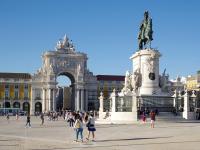
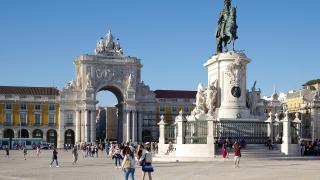
Begin at Terreiro do Paço for immediate orientation. This square offers clear geographic context for the city layout. Walk north up Rua Augusta toward Rossio Square. This route covers approximately 800 meters of flat terrain. The walk takes roughly ten minutes at a moderate pace. Arrive at Rossio Square to view the fountain and cafes. Continue west to the Carmo Convent. The Gothic ruins provide essential historical context for the 1755 earthquake. Admission costs 6 euros for general entry. Spend forty-five minutes exploring the nave and museum. Exit toward Chiado via Rua do Carmo. Explore the elegant shopping streets of Chiado. Use the Santa Justa Lift for vertical transit to Bairro Alto. The lift costs 5.40 euros for a round trip. Avoid visiting São Jorge Castle today. Save that energy for Day Two or Three. This pacing ensures sustainable walking throughout the itinerary.
Day Two: Tram Routes and Views
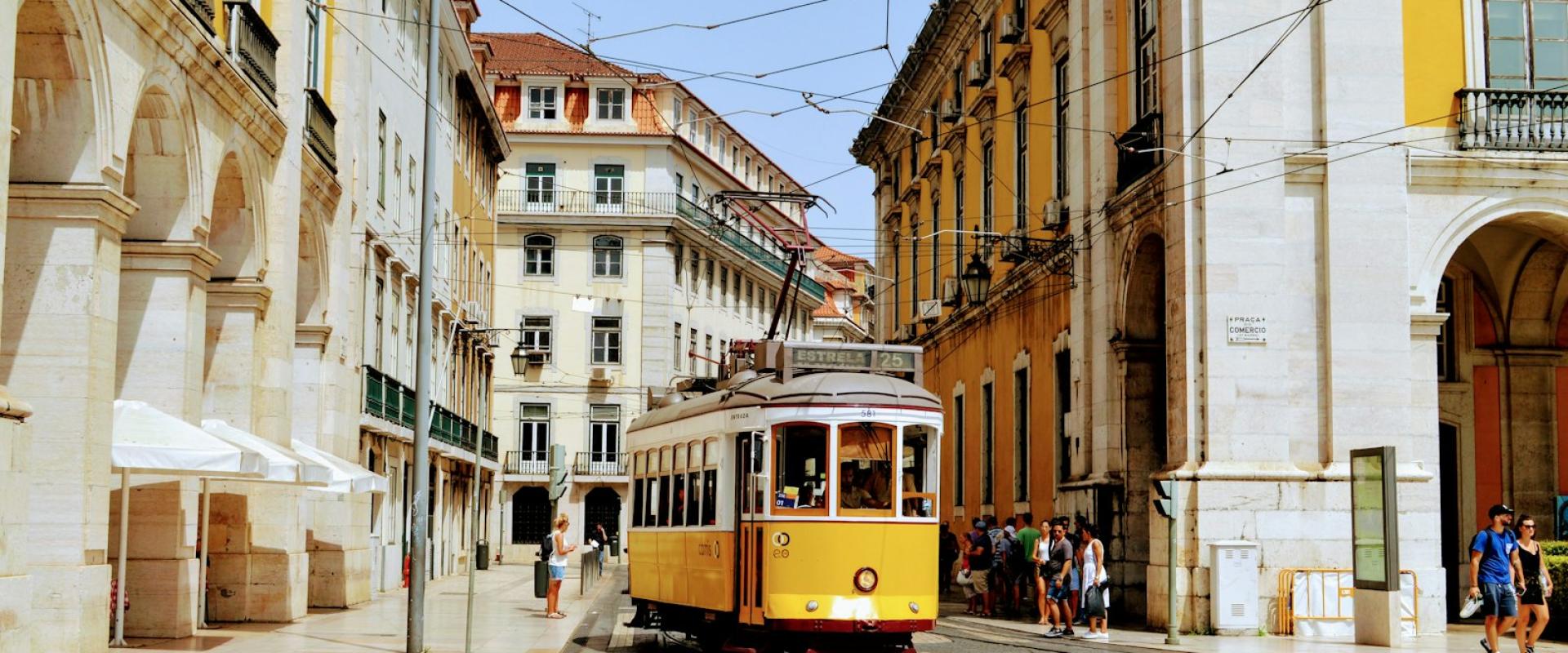
Ride Tram 28 early to navigate Alfama and Mouraria efficiently. This historic route handles steep terrain better than walking. Visit Sé de Lisboa in Alfama for immediate historical context. The cathedral offers significant architectural details from the 12th century. Proceed to Graça for panoramic views of the Tagus River. This neighborhood provides a quieter atmosphere compared to central districts. Utilize public transport to manage the steep elevation changes safely. The tram system connects these areas with minimal physical strain. Balance cultural sites like the cathedral with scenic viewpoints. Graça offers superior vantage points for city photography. This approach optimizes time for a 3-day Lisbon itinerary. Avoid excessive walking to preserve energy for subsequent days. The combination of transit and walking ensures comprehensive coverage. Focus on these key locations for an efficient experience. This strategy highlights Lisbon's unique topographical challenges and solutions.
Day Three: Cultural Districts and Riverfront
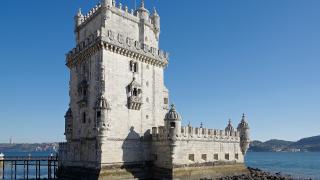
Take the train to Belém for historical sites. Visit Jerónimos Monastery and Belém Tower. These landmarks define Lisbon’s Age of Discovery. Try pastéis de nata at the original bakery. The pastry is a local staple. Explore LX Factory for modern culture and design. This space blends industrial heritage with contemporary art. Conclude with a walk along the Tagus Riverfront. The view offers a clear perspective of the city. This route balances history with modern Lisbon. It provides a complete overview of the capital. The train ride takes approximately fifteen minutes. The bakery is located near the tower. LX Factory is accessible by foot from the river. This day covers both old and new Lisbon.
Logistical and Transit Optimization
Purchase a Viva Viagem card for all public transport. This reusable card covers metro, buses, and trams. The metro offers the fastest and most reliable transit option. It bypasses Lisbon’s steep hills effectively. Wear sturdy footwear for cobblestone streets. These calçadas are uneven and slippery. Use offline maps for navigation in historic districts. Signal drops frequently in Alfama and Mouraria. Avoid driving in the city center. Parking is scarce and expensive. Traffic congestion is severe during peak hours. The metro network connects major districts efficiently. Buses provide access to areas the metro misses. Trams are scenic but often overcrowded. Plan extra time for tram delays. The Viva Viagem card requires a small deposit. Reload it at any metro station kiosk. This system simplifies payment across all modes. Walking remains the primary mode for short distances. Comfortable shoes are essential for daily exploration. Offline maps prevent getting lost in narrow alleys. This strategy ensures a smooth 3-day itinerary.