



Coimbra
Historic university city with medieval streets and river views
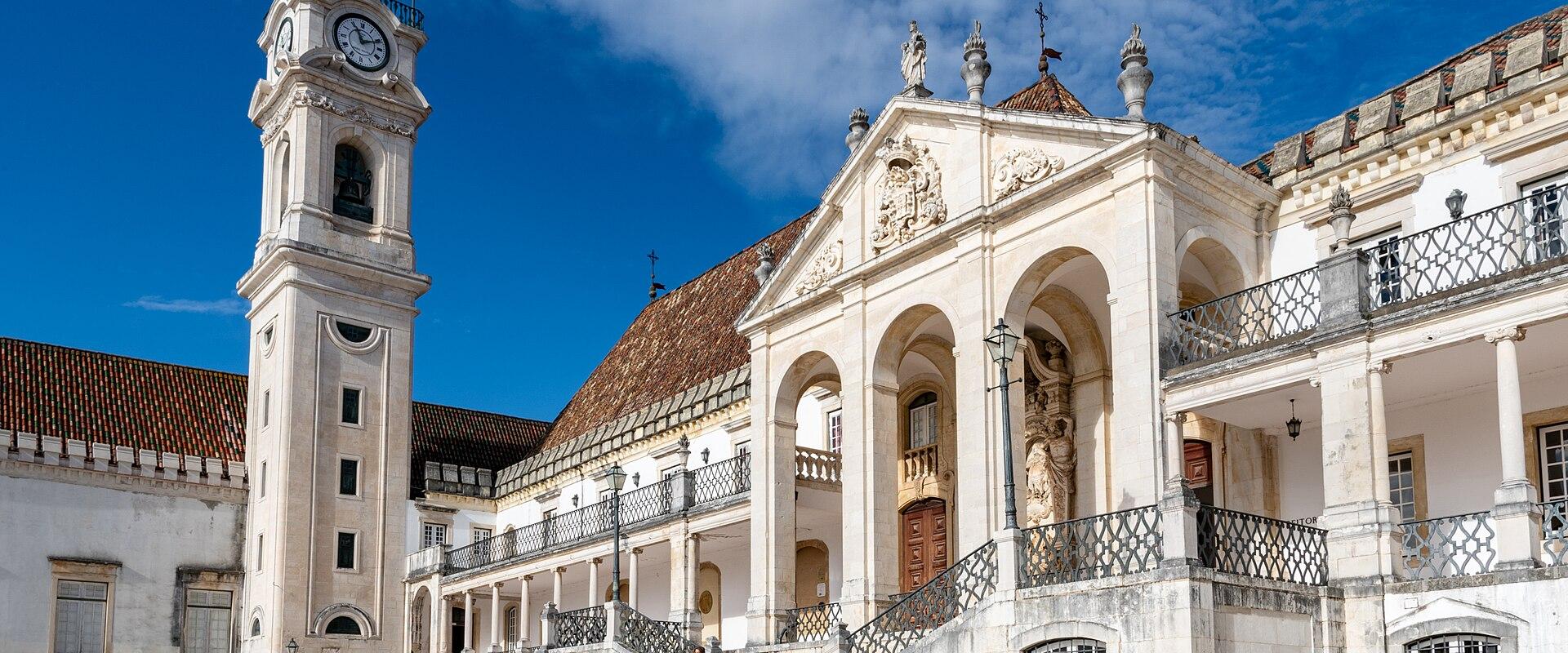
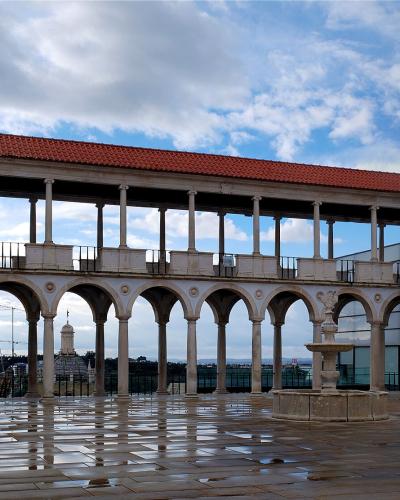
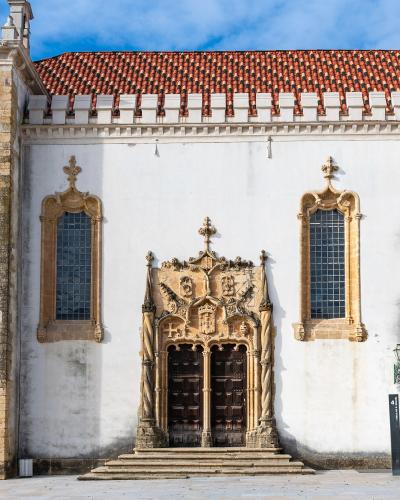
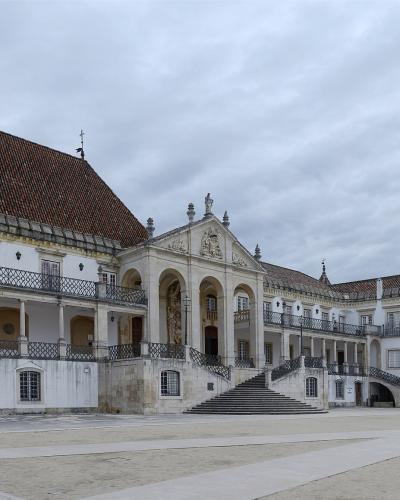
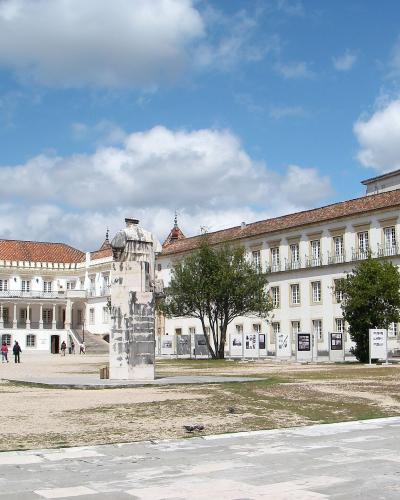
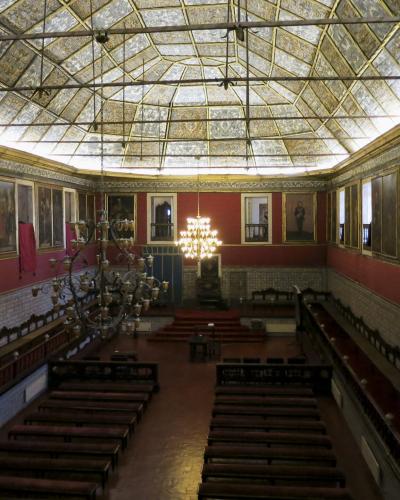
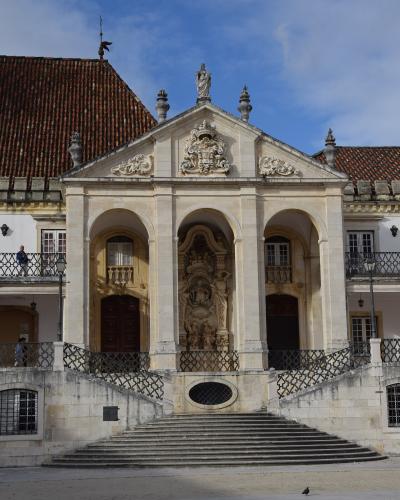
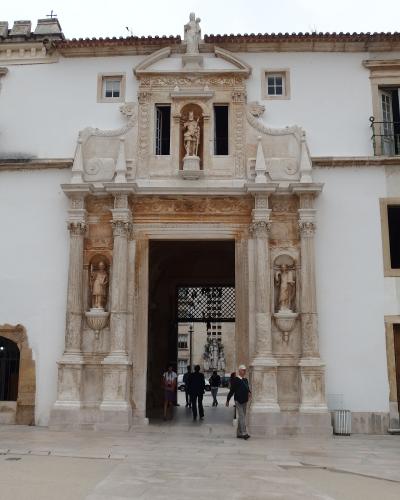
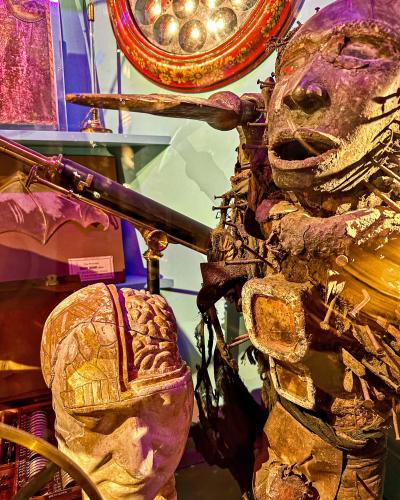
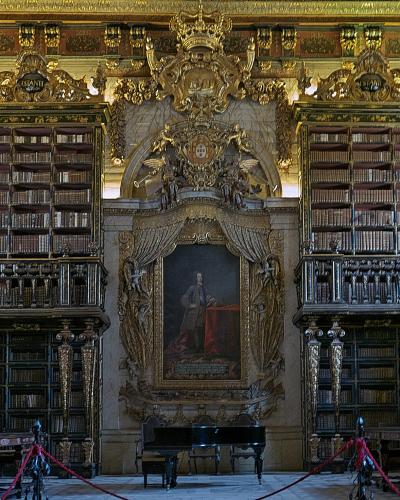
Coimbra, often called the 'City of Students,' is one of Portugal’s most storied and culturally rich destinations. Its history stretches back to Roman times, when it was known as Aeminium, and later flourished as the medieval capital of Portugal from 1139 to 1255. Today, Coimbra is best known for its university, founded in 1290, which is among the oldest in continuous operation in the world and a UNESCO World Heritage Site. The university’s hilltop campus is a must-see, featuring the magnificent Joanina Library, with its gilded baroque interiors and rare book collections, as well as the Royal Palace of Alcáçova and the ornate Chapel of São Miguel. The Joanina Library, completed in the early eighteenth century, is famously protected from insects by a colony of bats that live behind the bookcases. Other highlights include the Paço das Escolas, the Sala dos Capelos, the Iron Gate and a Cabinet of Curiosities.
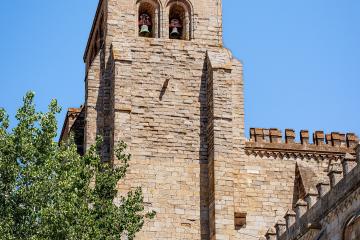
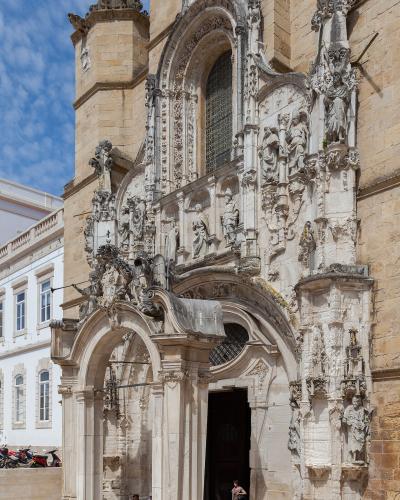
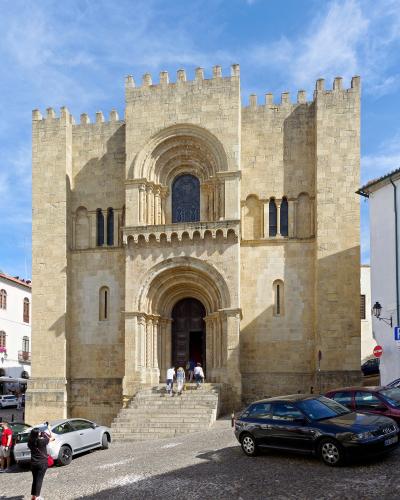
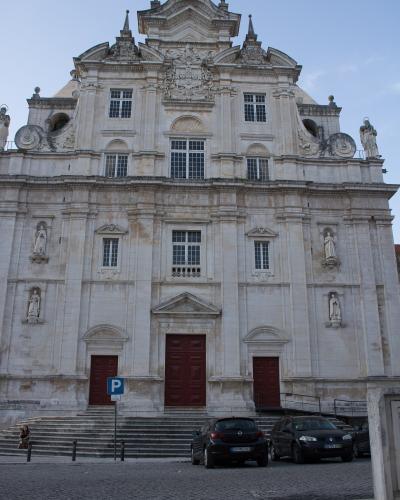
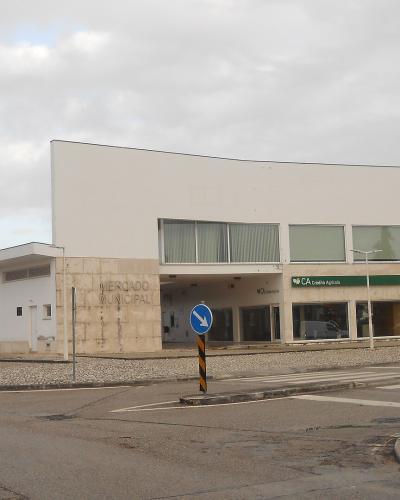
The city’s old town, or Baixa, is a labyrinth of cobbled streets, centuries-old shops and traditional tascas (taverns). Visitors can wander through the medieval lanes, discovering hidden courtyards, artisan boutiques and lively cafés. The Sé Velha (Old Cathedral), a Romanesque masterpiece, and the Sé Nova (New Cathedral), with its imposing façade, are highlights of Coimbra’s religious architecture. The Santa Cruz Monastery, resting place of Portugal’s first two kings, is another landmark steeped in history. The Mercado Municipal is a good place to see local produce.
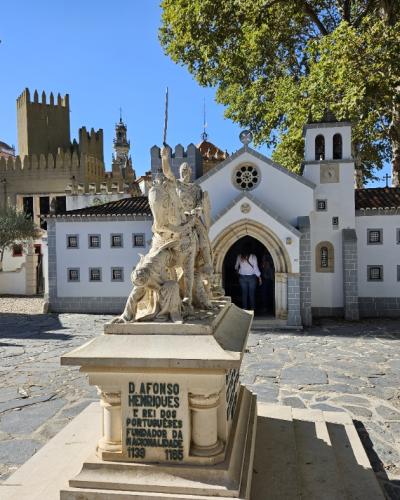
Coimbra’s cultural life is vibrant and diverse. The city is famous for its unique style of Fado music, performed by students in black academic robes in candlelit cafés. The Machado de Castro National Museum, housed in a former bishop’s palace, showcases Roman ruins and an impressive collection of art and sculpture. Families will enjoy Portugal dos Pequenitos, a miniature park featuring scaled-down versions of Portuguese monuments and traditional houses. Local specialties include chanfana, a goat stew, and the sweets of the Santa Clara convent, while the nearby village of Tentúgal is known for its flaky pastries.
Nature lovers can relax in the city’s many parks and gardens, such as the Botanical Garden of the University of Coimbra, one of the oldest in Europe, or stroll along the Mondego River’s scenic promenades. The Penedo da Saudade viewpoint offers sweeping vistas over the city and river valley, especially beautiful at sunset. The Quinta das Lágrimas gardens, associated with the legend of Pedro and Inês, are another peaceful retreat.
Coimbra is also a gateway to the ancient Roman ruins of Conímbriga, located just outside the city, where visitors can explore well-preserved mosaics, baths and an amphitheater. The surrounding region offers opportunities for hiking, cycling and exploring picturesque villages.
Getting to Coimbra is easy, with frequent train and bus connections from Lisbon, Porto and other major cities. The city is compact and walkable, though its steep hills can be challenging; taxis and local buses are available for convenience. Accommodation ranges from historic hotels and boutique guesthouses to modern apartments.
The best time to visit Coimbra is during spring (March to May) and autumn (September to October), when the weather is warm but not too hot, and the city’s gardens and riverbanks are at their most vibrant. Summers are lively with festivals and student celebrations, while winters are mild and quieter. For the academic heritage, medieval streets and riverside ambiance, Coimbra promises a memorable and multifaceted Portuguese experience.
Best Time to Visit
Spring (March-May) and autumn (September-October) offer warm, pleasant weather and vibrant city life for exploring Coimbra’s historic sites and gardens.
Did you know?
Interesting, verified facts about Coimbra
The Coimbra Library Guarded by Bats
RecordInside the University of Coimbra's baroque Biblioteca Joanina, built between 1717 and 1728, a resident colony of bats emerges each night to eat the insects that would otherwise devour the centuries-old books. Staff cover the ornate tables with leather sheets every evening and clean away the guano each morning. It is one of only two libraries in the world known to use bats as natural pest control — the other is Portugal's Mafra Palace Library.
Source: Wikipedia (citing Wall Street Journal and Smithsonian Magazine)Plan Your Visit to Coimbra
Essential travel tips and information for your trip to Coimbra.
Suggested Itineraries
Coimbra Weekend Getaway
2 daysTwo-day self-guided tour of Coimbra's historic university and old town
View ItineraryTravel Tips
Currency
EUR • Cards widely accepted
Language
Portuguese • English in tourist areas
WiFi
Free WiFi in cafes and hotels
Explore Coimbra by Interest
Discover attractions and experiences in Coimbra organized by your interests and travel preferences.

All attractions in Coimbra
Sorted by our recommendation score
Quick Facts
Book your stay
Frequently Asked Questions
More destinations in Estremadura
Explore other amazing places in the Estremadura region