
Cascais
Coastal resort town with beaches and historic charm
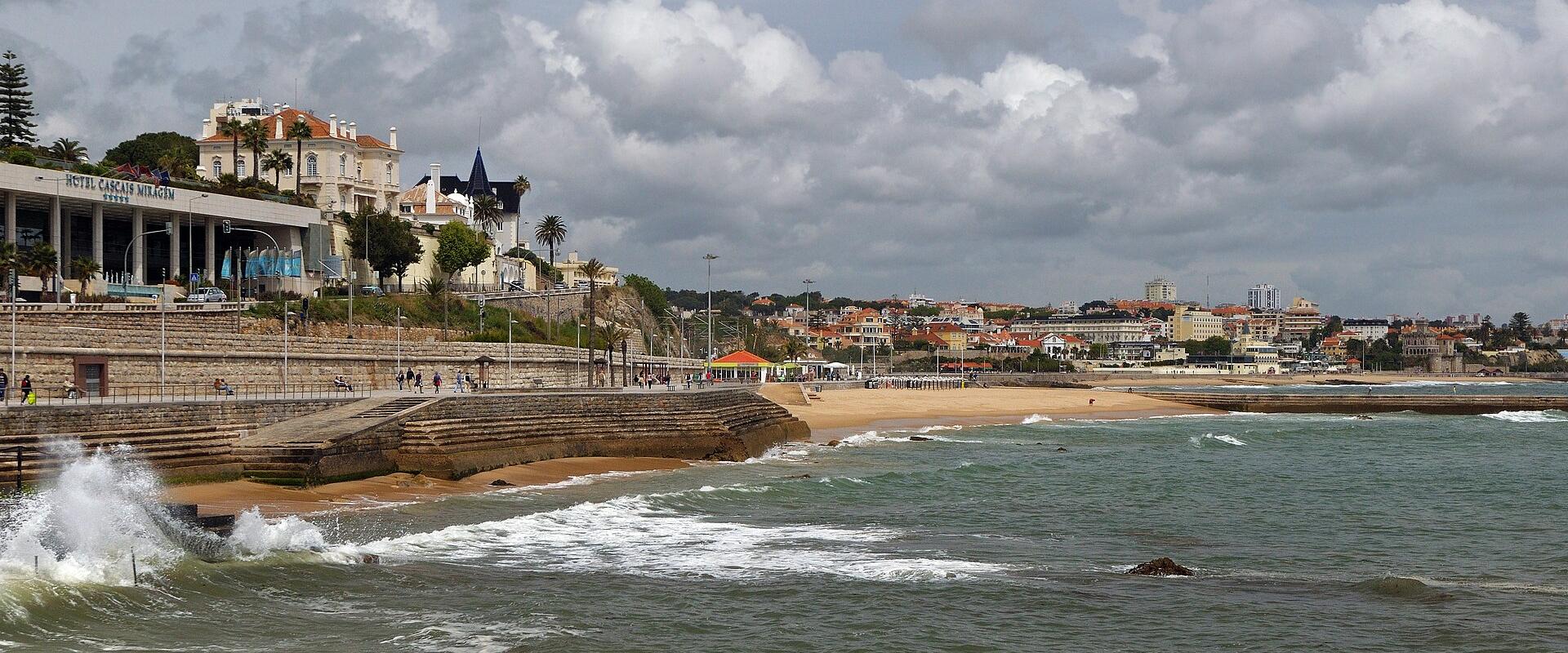
Cascais, set along Portugal’s sun-drenched Atlantic coast just 30 kilometers west of Lisbon, is a destination that seamlessly blends history, natural beauty and modern leisure. Originally a small fishing village, Cascais rose to prominence in the late 19th century when it became the summer residence of the Portuguese royal family. This royal patronage attracted nobility and artists, transforming the town into a sophisticated seaside resort. Today, Cascais retains its elegant charm, with grand villas, manicured gardens and a lively marina, while still honoring its maritime roots. The town was among the first in Portugal to be lit by electric street lamps, installed for the king’s stays.
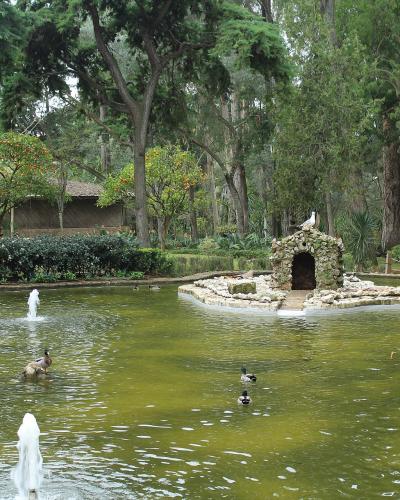
The historic old center is the core of Cascais, where cobbled streets wind past whitewashed houses, colorful tiled facades and bustling squares. Here, visitors can explore the Mercado da Vila, a vibrant market offering fresh produce and local delicacies, or simply relax in one of the many outdoor cafes. The waterfront promenade leads to the picturesque fishing harbor and the exclusive Cascais Marina, a hub for sailing events and luxury yachts. The Rua Amarela and the nearby Marechal Carmona Park, with its peacocks and ponds, are pleasant places to stroll.
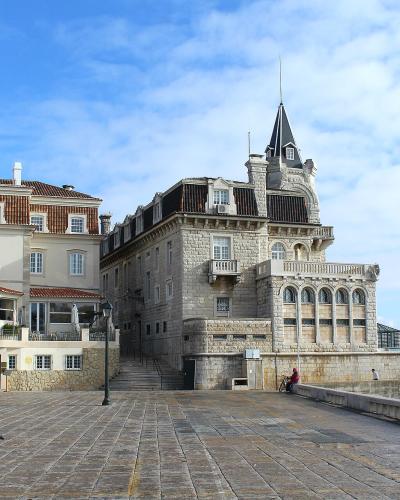
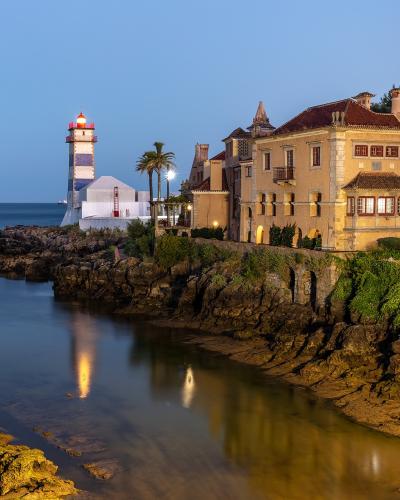
Among Cascais’ main attractions is the Cidadela de Cascais, a restored fortress complex that now houses art galleries, boutique hotels and artisan shops. The Museu Condes de Castro Guimarães, set in a romantic palace overlooking the sea, showcases an eclectic collection of art, rare books and historic artifacts. Nearby, the Santa Marta Lighthouse and Museum offers insight into the region’s maritime history and provides panoramic views from its tower. The Museu do Mar further delves into Cascais’ deep connection with the ocean, displaying exhibits on fishing traditions and naval exploration. The Casa das Histórias Paula Rego, a striking red building, displays works by one of Portugal’s best-known painters.
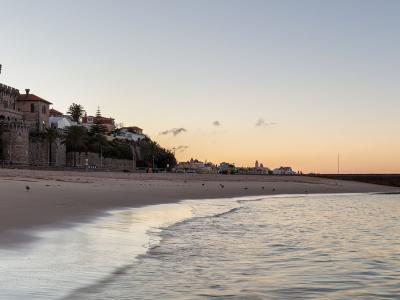
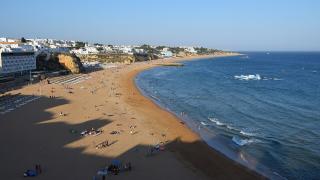
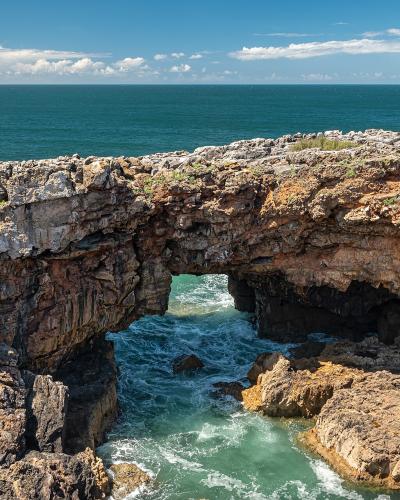
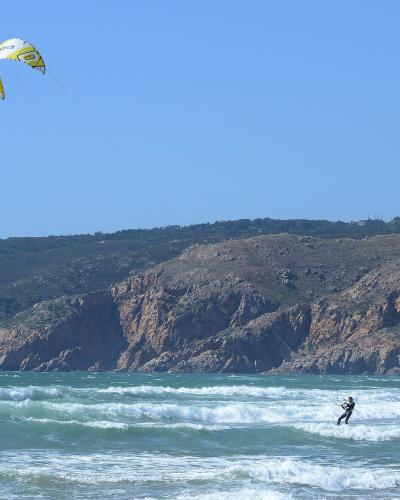
Nature lovers will find plenty to enjoy in and around Cascais. The dramatic cliffs of Boca do Inferno (“Hell’s Mouth”) are a highlight, where powerful Atlantic waves crash into a chasm in the rocks, creating a spectacular natural show. The town is also famed for its beaches, from the sheltered Praia da Rainha and Praia da Conceição in the center to the windswept sands of Guincho Beach, a favorite spot for surfers and kiteboarders. The scenic coastal cycle path from Cascais to Guincho offers wide ocean views and access to quiet coves. Further along the coast, Cabo da Roca, the westernmost point of mainland Europe, is within easy reach.
Outdoor activities abound, including sailing, windsurfing, golf, and hiking in the nearby Sintra-Cascais Natural Park. The town’s cultural calendar is filled with festivals, open-air concerts and sporting events, such as the America’s Cup sailing regatta. Food enthusiasts can indulge in fresh seafood at waterfront restaurants, sampling dishes like grilled sardines, octopus salad and the region’s renowned pastries, such as travesseiros and queijadas from nearby Sintra.
Cascais is easily accessible from Lisbon by train, with regular departures from Cais do Sodré station and a scenic 40-minute ride along the coast. The town is also well-connected by road and offers ample parking for those arriving by car. Once in Cascais, most attractions are within walking or cycling distance, and bike rentals are widely available.
The best time to visit Cascais is from April to October, when the weather is warm and sunny, ideal for beach activities and outdoor exploration. Early summer (May-June) and early autumn (September-October) offer pleasant temperatures and fewer crowds, while the winter months are mild but quieter, with occasional rain. For relaxation on golden sands, cultural discoveries or active adventures, Cascais promises a memorable and multifaceted experience on Portugal’s Riviera.
Best Time to Visit
April to October offers warm, sunny weather ideal for beaches and sightseeing; May-June and September-October are especially pleasant and less crowded.
Did you know?
Interesting, verified facts about Cascais
Cascais Has a Second Local Claim
HistoryOnce a humble fishing village, Cascais evolved into a favored summer retreat for Portuguese royalty and European aristocrats in the 19th century, shaping its elegant architecture and lively cultural scene.
Source: Summer architectureItaly's Last King Spent Nearly 37 Years Exiled in Cascais
Notable PersonWhen Italians voted to abolish their monarchy in June 1946, King Umberto II — who had reigned for just 34 days — left the country and never returned. He settled at Villa Italia in Cascais on the Portuguese Riviera, which remained his home for the rest of his exile until his death in a Geneva clinic in 1983. His long residence made the town a fixture on Europe's map of displaced royalty, alongside neighboring Estoril, which hosted other exiled monarchs in the same era.
Source: WikipediaPlan Your Visit to Cascais
Essential travel tips and information for your trip to Cascais.
Suggested Itineraries
Travel Tips
Currency
EUR • Cards widely accepted
Language
Portuguese • English in tourist areas
WiFi
Free WiFi in cafes and hotels
Explore Cascais by Interest
Discover attractions and experiences in Cascais organized by your interests and travel preferences.




All attractions in Cascais
Sorted by our recommendation score

Quick Facts
Book your stay
Frequently Asked Questions
More destinations in Lisbon Metropolitan Area
Explore other amazing places in the Lisbon Metropolitan Area region