

Historic Architectural Styles
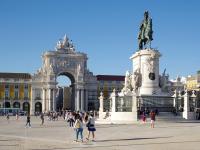
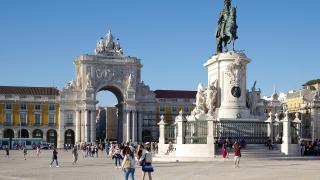
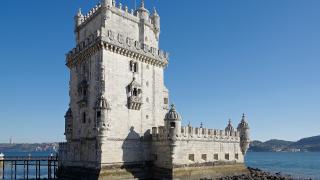
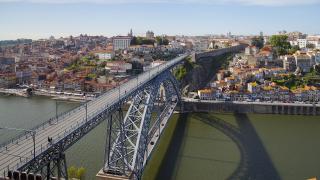
Portuguese architecture reflects distinct historical periods. The Manueline style emerged in the early 1500s. It features maritime motifs like ropes and shells. The Jerónimos Monastery in Lisbon exemplifies this. The nearby Tower of Belém also displays these details. This style celebrates Portugal’s Age of Discovery. Baroque architecture followed, emphasizing heavy ornamentation. The Basilica of Bom Jesus in Braga showcases this. Its grand staircase is a key feature. This style dominated the 17th and 18th centuries. The Pombaline style arose after the 1755 earthquake. It focused on earthquake reconstruction and safety. Grid layouts replaced chaotic medieval streets in Lisbon. These structures used early seismic-resistant techniques. The Baixa district demonstrates this planning. These styles define Portugal’s built heritage. They offer insight into national history. Each period responds to specific events. Manueline reflects exploration. Baroque shows religious power. Pombaline prioritizes public safety. Understanding these styles aids architectural appreciation. They remain visible in major cities. Lisbon and Braga are primary examples. These structures are protected heritage sites. They attract scholars and tourists alike. The evolution shows technical and artistic progress. Portugal preserves these unique architectural legacies.
Azulejo Tile Traditions
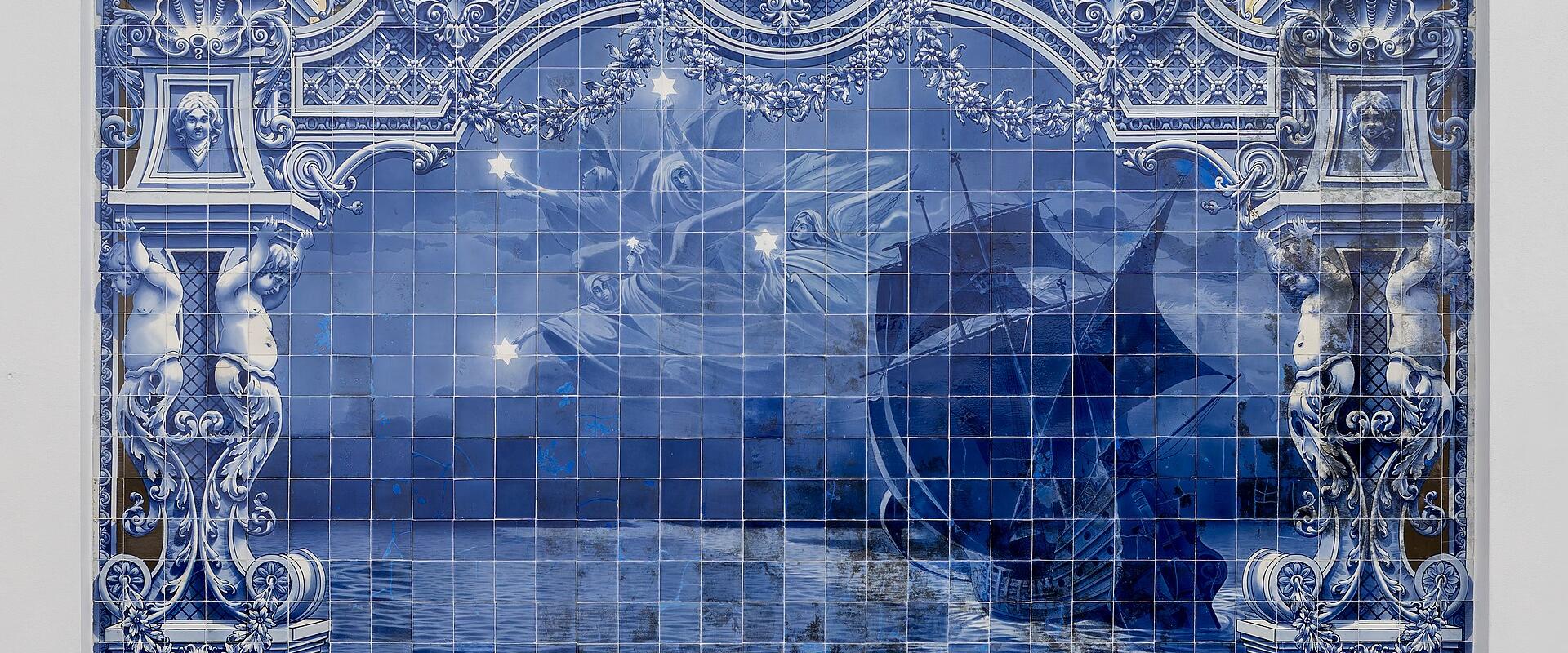
Azulejos are glazed ceramic tiles defining Portuguese architecture. They regulate indoor temperature and protect walls from moisture. The tradition began with Moorish influences in the 15th century. Artisans initially used geometric patterns inspired by Islamic art. By the 18th century, the style evolved significantly. Artists began painting complex narrative scenes on large panels. These blue-and-white designs depicted religious stories and historical events. The technique spread rapidly across churches and palaces. Today, azulejos remain a critical visual element of the built environment. They cover facades, interiors, and public transportation hubs. São Bento Station in Porto showcases this heritage. Its walls feature over 20,000 tiles illustrating Portuguese history. The Palácio Nacional de Sintra also displays extensive tile work. These panels date back to the 16th and 17th centuries. The tiles provide both aesthetic beauty and practical durability. They withstand the humid coastal climate effectively. Modern architects continue to use traditional azulejo methods. This ensures the craft remains a living tradition. The distinct blue color comes from cobalt oxide. This pigment was imported from Persia and later China. The combination of clay and glaze creates a waterproof surface. Azulejos offer a unique glimpse into Portugal’s artistic past. They serve as a tangible link to historical craftsmanship. Visitors can observe these tiles in nearly every city. The patterns vary by region and time period. Some tiles feature intricate floral motifs. Others display bold, abstract geometric shapes. The durability of the glaze allows these artworks to survive centuries. They require minimal maintenance compared to painted walls. This longevity makes them a cost-effective architectural solution. The tradition continues to influence contemporary Portuguese design. New buildings often incorporate traditional tile patterns. This blend of old and new defines the national style. Azulejos are not merely decoration; they are structural elements. They protect the underlying masonry from weathering. This functional aspect is as important as their beauty. The craft requires specialized knowledge passed down through generations. Master artisans still produce tiles by hand in some workshops. These handmade pieces command higher prices than factory-made alternatives. The cultural significance of azulejos extends beyond architecture. They appear in furniture, art, and fashion. This widespread adoption highlights their central role in identity. The tiles reflect Portugal’s historical trade connections. Imports of cobalt and tin shaped the color palette. The resulting blue-and-white aesthetic is globally recognized as Portuguese. It distinguishes Portuguese buildings from those in neighboring Spain. The tradition persists despite modern construction materials. It remains a symbol of national pride and heritage.
Major Art Museum Hubs
Lisbon hosts three essential institutions for art history. The Museu Nacional de Arte Antiga holds significant European and Asian works. The Gulbenkian Museum displays a private collection spanning centuries. The Museu Nacional do Azulejo focuses exclusively on ceramic tiles. This museum showcases the evolution of azulejo decoration. Porto offers the Serralves Museum for contemporary art. Its collection features modern installations and sculptures. The museum grounds also include a notable garden. Visitors should plan their itinerary around standard opening hours. Most museums operate from 10:00 to 17:00. Monday is typically a closure day for these institutions. This schedule allows for consistent weekly maintenance. Online booking is strongly advised for all venues. This practice reduces waiting times at entry points. It ensures entry during peak tourist seasons. The Gulbenkian Foundation manages several key cultural sites. Serralves operates as a center for modern creativity. Azulejo museums preserve traditional Portuguese craftsmanship. These hubs provide comprehensive views of national heritage. Planning ahead maximizes the efficiency of your visit. You can view multiple collections in a single day. Prioritize online tickets for the most popular sites. This strategy avoids long queues at the door. The architecture of these buildings is also notable. Many structures reflect historic Portuguese design principles. Combining art viewing with architectural appreciation is recommended. This approach provides a deeper understanding of the culture. Ensure you check specific holiday schedules before traveling. Some sites may have altered hours on national days. Always verify the latest information on official websites. This prevents disappointment upon arrival. The collections are diverse and well-curated. They represent the pinnacle of Portuguese artistic achievement.
Contemporary Art and Street Scenes
Lisbon’s LX Factory transforms industrial warehouses into contemporary art spaces. This creative hub hosts galleries and design shops. The MAAT museum defines the waterfront with its white concrete curves. It focuses on modern art and architecture. Street art thrives in Mouraria and Alcântara. These neighborhoods display large-scale murals on building facades. Guided tours reveal the location and context of these works. Porto’s Casa da Música anchors the city’s cultural district. Its irregular concrete form contrasts with historic surroundings. The building hosts concerts and architectural tours. Contemporary galleries in Porto showcase local and international artists. The city blends industrial heritage with modern design. Visitors observe the contrast between old stone and new steel. Street art tours in both cities highlight public art. These tours provide access to restricted areas. The scenes reflect Portugal’s evolving artistic identity. Modern aesthetics coexist with traditional azulejo tiles. This juxtaposition defines the current urban landscape. Practical visits require checking gallery opening hours. Many spaces operate on limited schedules. Planning ahead ensures access to key venues.
Visitor Logistics and Access
Portuguese historic centers feature uneven cobblestone streets. These surfaces challenge mobility-impaired visitors. Many major museums install ramps and elevators. The Gulbenkian Museum offers full wheelchair access. Ticketing requires advance planning for popular sites. Online booking often provides a small discount. Always check official websites for holiday closures. Lisbon’s metro system connects major art hubs efficiently. Trams reach older districts but lack elevators. Licensed guides provide essential architectural context. They explain Manueline details and azulejo patterns. Tours clarify complex historical layers. Public transit remains cost-effective for independent travelers. Budget approximately five euros for single metro tickets. Museum entry fees vary by institution. Some charge ten euros for permanent collections. Students and seniors receive reduced rates. Verify age requirements before booking. Guided tours cost significantly more. Expect to pay thirty euros for half-day tours. These fees include professional commentary. Book tours weeks in advance during peak season. This ensures availability for specific art-focused itineraries.