Açores
Volcanic Atlantic archipelago with lakes, hot springs, and whale watching
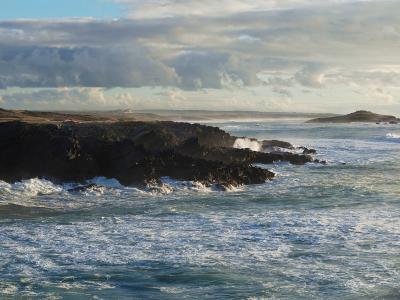
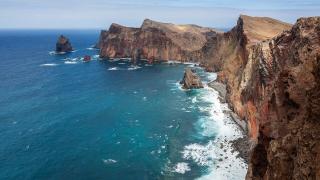
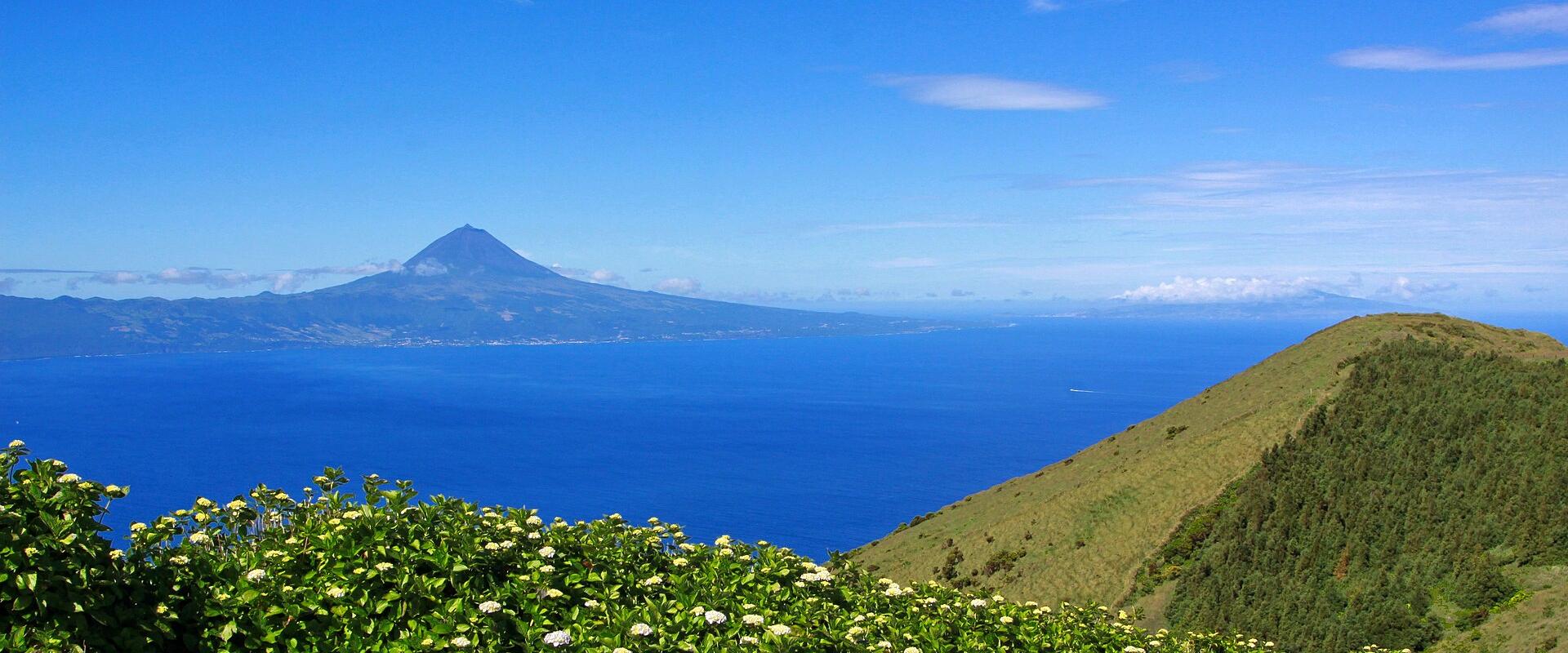
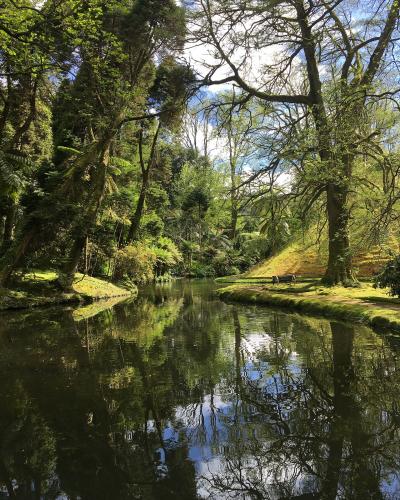
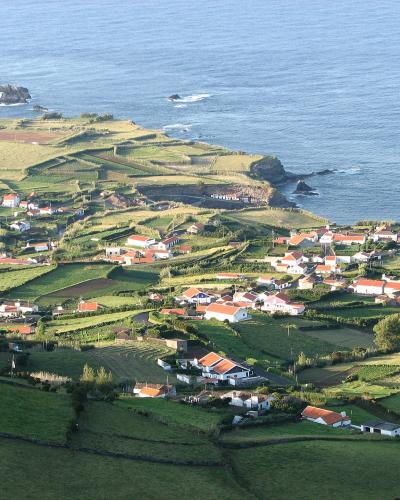
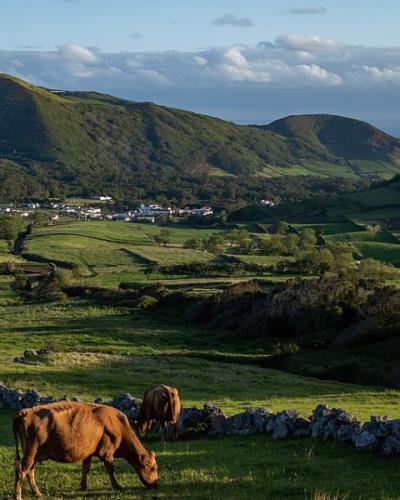
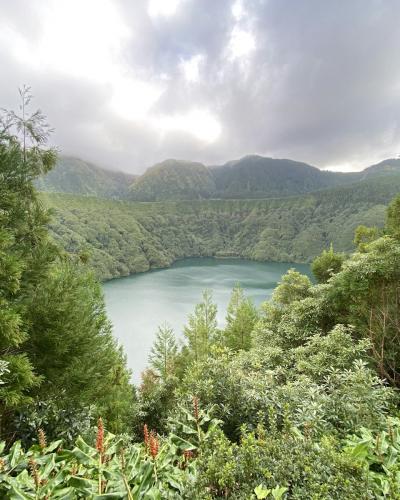
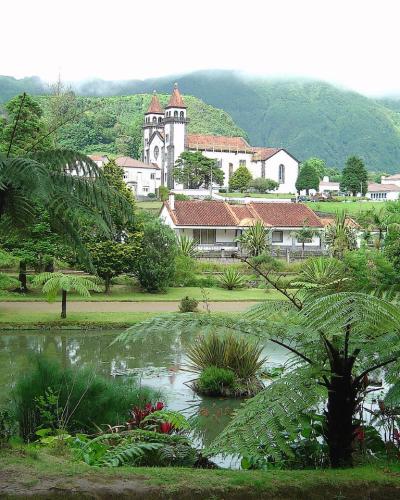
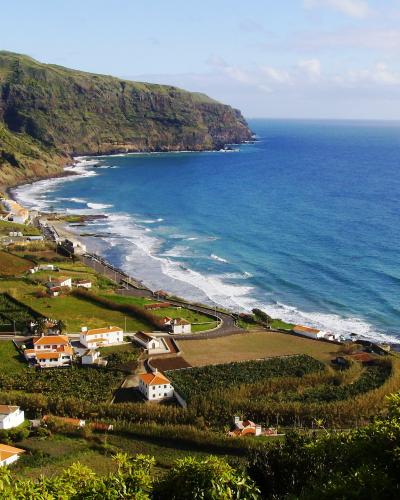
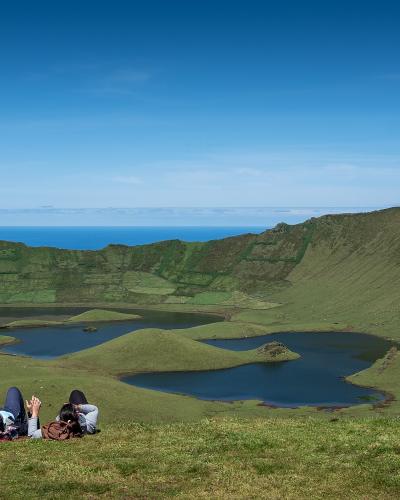
The Açores, or Azores, is an autonomous region of Portugal made up of nine volcanic islands scattered across the North Atlantic. Settled by the Portuguese in the 15th century, the islands have long served as a crossroads between Europe and the Americas. The archipelago’s remote location and volcanic origins have shaped its unique landscapes—soaring peaks, crater lakes, steaming fumaroles and rugged coastlines lined with black lava rock and lush hydrangeas. The islands are divided into three groups: the eastern group of São Miguel and Santa Maria, the central group around Terceira, Graciosa, São Jorge, Pico and Faial, and the remote western group of Flores and Corvo.
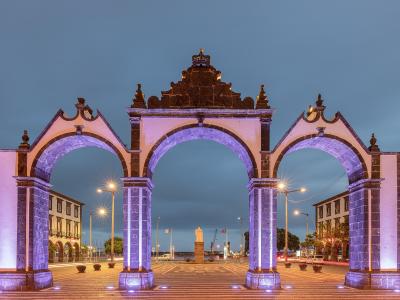
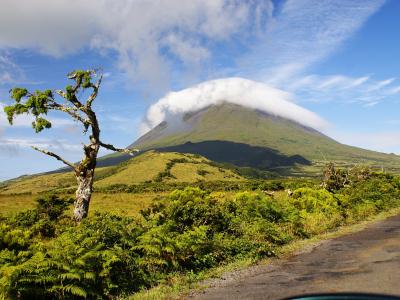
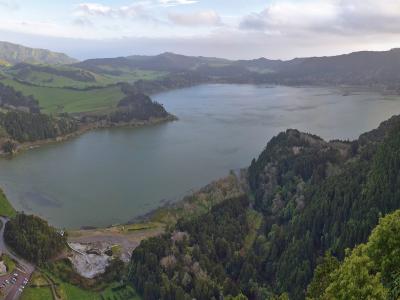
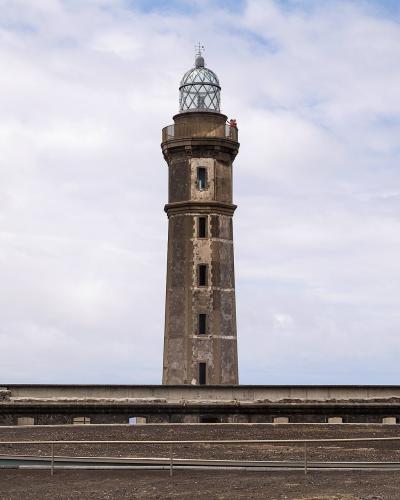
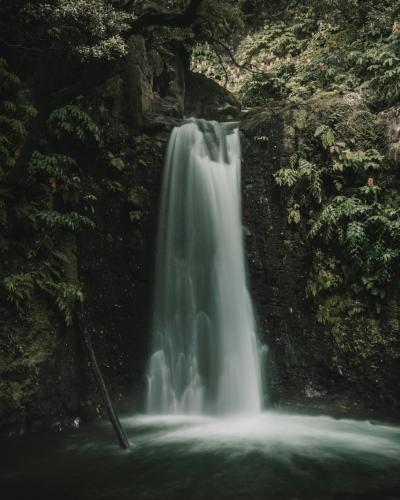
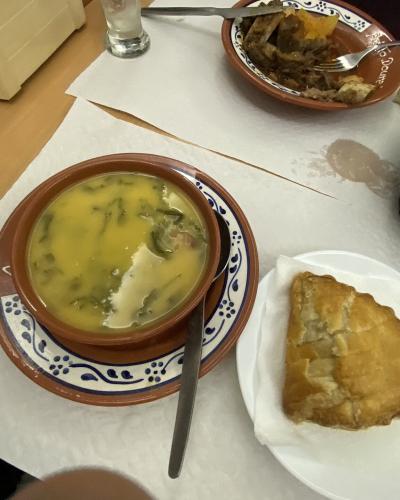
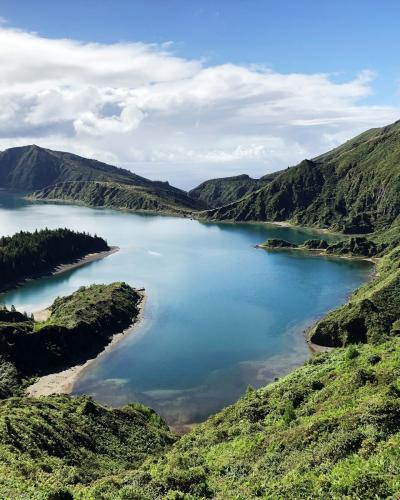
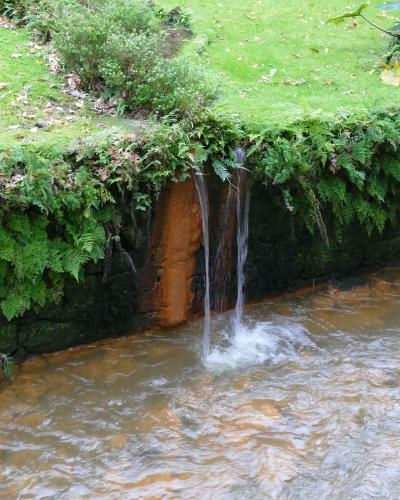
São Miguel, the largest island, is often called the 'Green Island' for its rolling hills, tea plantations and iconic crater lakes such as Sete Cidades and Lagoa do Fogo. The Furnas Valley is famous for its geothermal hot springs and the traditional cozido stew, slow-cooked in volcanic steam. Terceira boasts the UNESCO-listed city of Angra do Heroísmo, while Pico is dominated by Portugal’s highest mountain and renowned for its UNESCO World Heritage vineyards, where vines grow in small walled plots of black volcanic rock. Faial, with its marina and lunar-like Capelinhos volcano, which erupted from the sea in 1957 and 1958, is a hub for sailors and whale watchers, while São Jorge, Flores and Corvo offer dramatic cliffs, waterfalls and tranquil rural life. Graciosa and Santa Maria complete the archipelago, the latter with some of the few sandy beaches.
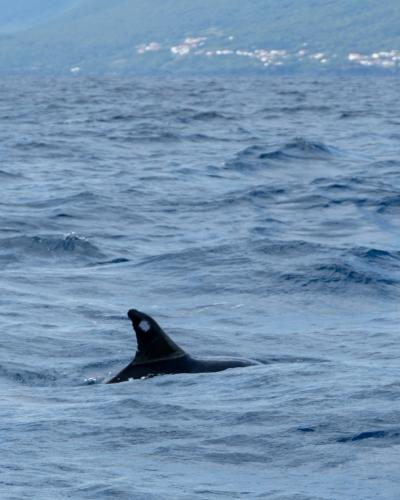
The Açores is a haven for adventure seekers. Hiking trails crisscross the islands, leading through laurel forests, along volcanic ridges and to waterfalls. Whale and dolphin watching is world-class, with over 20 species spotted in the surrounding waters, and the former whaling tradition of Pico has been replaced by research and conservation. The islands are also popular for diving, canyoning, surfing and paragliding. Visitors can explore Europe’s only tea plantations, visit pineapple greenhouses, and sample local cheeses, wines and seafood. The cheese of São Jorge is the best known of the island dairy products.
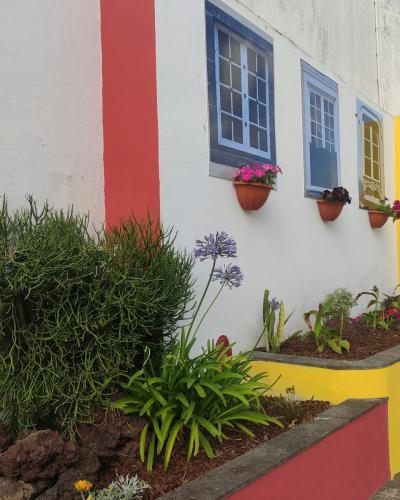
Cultural experiences abound, from colorful festivals and religious processions to traditional music and crafts. The Holy Spirit celebrations, with their small chapels and communal feasts, are the defining tradition of the islands, and Angra do Heroísmo hosts a lively summer festival. The islands’ towns and villages feature whitewashed churches, cobbled streets and lively markets, and in Horta the famous sailors’ café is a stop for every yachtsman crossing the Atlantic. The Açores’ hospitality is legendary, with guesthouses, eco-lodges and boutique hotels offering warm welcomes and sweeping views.
Getting to the Açores is easy, with direct flights from Lisbon, Porto and several European cities to the main airports on São Miguel, Terceira and Faial, taking about two hours from the mainland. Inter-island flights and ferries connect the islands, making it possible to explore multiple destinations in one trip. Car rentals are recommended for flexibility, especially on the larger islands.
The best time to visit the Açores is from late spring to early autumn (May to October), when the weather is mild, the landscapes are lush and outdoor activities are at their best. Hydrangeas bloom in June and July, while whale watching is excellent from April to October. The islands’ weather is famously changeable, so visitors should come prepared for sun, rain and mist in a single day. For adventure, relaxation or a taste of island life, the Açores promises an unforgettable journey into Portugal’s Atlantic archipelago.
Best Time to Visit
Late spring to early autumn (May–October) offers mild weather, lush scenery, and optimal conditions for hiking, whale watching, and exploring the Açores.
Plan Your Visit to Açores
Essential travel tips and information for your trip to Açores.
Suggested Itineraries
Extended Açores Experience
3 days3-day São Miguel tour of volcanic lakes and thermal springs
View ItineraryTravel Tips
Currency
EUR • Cards widely accepted
Language
Portuguese • English in tourist areas
WiFi
Free WiFi in cafes and hotels
Explore Açores by Interest
Discover attractions and experiences in Açores organized by your interests and travel preferences.


All attractions in Açores
Sorted by our recommendation score

Quick Facts
Book your stay
Frequently Asked Questions
More destinations in Azores
Explore other amazing places in the Azores region