


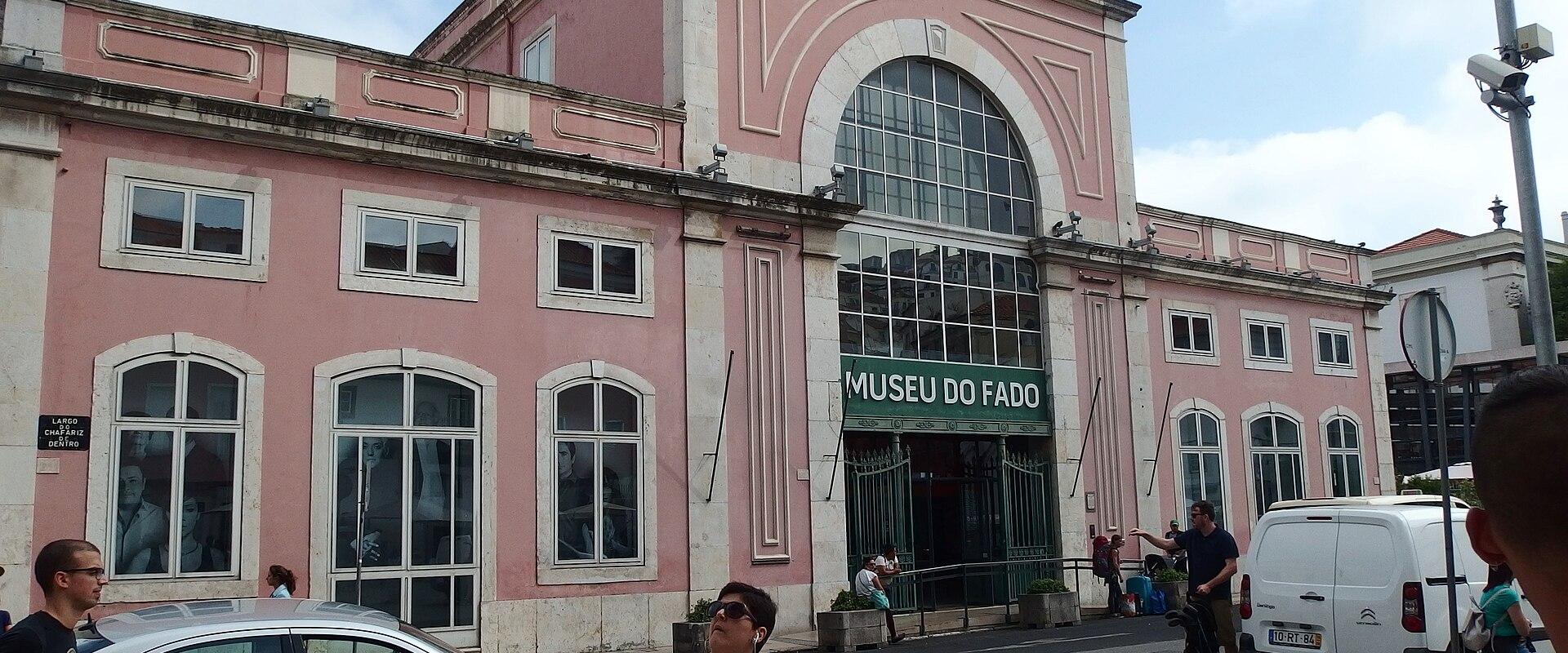
The Soul of Fado
Fado is Portugal’s traditional music genre. It expresses deep melancholy and longing. The core concept is Saudade. This word describes a profound emotional state. It reflects a love for something lost. Lisbon is the historic heart of Fado. The Alfama and Mouraria districts are key areas. Performances occur in small, intimate venues. These spaces are known as casas de fado. You should book tickets in advance. Prices typically range from 15 to 30 euros. This fee usually includes a drink. Avoid venues with aggressive street touts. These are often tourist traps. Authentic venues focus on the music. Look for venues with local patrons. The atmosphere is serious and respectful. Silence is expected during performances. Applause occurs only between songs. Singers are called fadistas. They often play the Portuguese guitar. This instrument has a distinct, metallic sound. The lyrics are often poetic. Themes include fate and the sea. You can find Fado in Porto as well. However, Lisbon remains the primary hub. Respect the cultural significance of the art. Do not interrupt the singers. Observe the traditional etiquette carefully. This ensures a respectful experience. The music connects listeners to history. It offers a unique cultural insight. Understanding Saudade enhances the appreciation. The emotional depth is palpable. This art form defines Portuguese identity. It remains a vital cultural practice today.
Culinary Heritage and Wine
Bacalhau defines Portuguese cuisine. Locals claim over three hundred preparation methods. This salted cod remains a staple dish. It appears in nearly every household. The ingredient requires careful soaking before cooking. This process removes excess salt. It preserves the fish for months. Traditional recipes vary by region. Coastal areas prefer fresh seafood. Inland regions rely on preserved meats. Tasca culture supports daily social life. These small eateries serve affordable meals. Patrons gather for lunch and dinner. The atmosphere is casual and loud. Wine production supports the national economy. The Douro Valley produces Port wine. Terraced vineyards line steep riverbanks. Alentejo offers robust red blends. These wines pair with local cheeses. Market culture serves as social hubs. Lisbon’s Time Out Market attracts crowds. Vendors sell regional specialties daily. Visitors sample dishes from multiple chefs. Prices range from five to fifteen euros. Dining occurs late in the evening. Restaurants open for dinner at eight. Families eat together on weekends. Food connects generations in Portugal. Recipes pass from parent to child. Cooking techniques remain unchanged for centuries. Wine cellars store barrels for decades. Tasting rooms offer guided tours. Guides explain fermentation processes clearly. Visitors learn about grape varieties. The Douro region spans two hundred kilometers. Alentejo covers a vast southern area. Both regions contribute to exports. Tourism supports local agricultural economies. Traditional bakeries sell pastries daily. Pastéis de nata originate in Lisbon. Custard tarts appear in every cafe. Sugar and cinnamon top the pastry. These items accompany morning coffee. Culinary heritage shapes national identity. Food festivals celebrate seasonal harvests. Events occur in town squares. Locals and tourists attend together. The experience emphasizes community and tradition.
Artisanal Craftsmanship
Portuguese artisans preserve centuries-old techniques across specific regions. Azulejo tile artistry remains central to Lisbon’s architectural identity. These painted ceramic tiles decorate historic buildings and churches. Visitors can observe masters applying cobalt blue glazes by hand. The process requires precise skill and years of training.
Textile traditions thrive in Covilhã, located in the Beira Baixa region. Wool processing defines this industrial town’s cultural heritage. Factories here produce high-quality blankets and rugs using ancient methods. Buyers can inspect raw materials before purchasing finished goods.
Glassblowing centers in Marinha Grande, near the Atlantic coast. This town hosts the National Glass Museum and numerous workshops. Artisans shape molten glass into functional and decorative items. Tourists may watch the blowing process during scheduled demonstrations.
Buying directly from artisans supports local economies and heritage preservation. Prices vary by complexity and material quality. A single azulejo panel costs approximately twenty euros. Hand-blown glassware ranges from fifteen to fifty euros. Wool blankets typically exceed one hundred euros.
Direct engagement allows buyers to verify authenticity. Artisans explain the production timeline and material sources. This transparency ensures fair compensation for skilled labor. Supporting these crafts helps maintain Portugal’s tangible cultural history. Visitors should seek out certified workshops for genuine purchases.
Festivals and Religious Traditions
Portuguese festivals blend religious devotion with vibrant community celebration. The Feast of Our Lord of Matosinhos occurs annually in May. This major event draws thousands to the northern city. Pilgrims walk to the sanctuary to honor the saint. The Santo António celebrations in Lisbon honor the city’s patron. Held in June, these festivities feature street parties and grilled sardines. Residents and tourists alike participate in the lively atmosphere. Carnival marks the pre-Lenten season with colorful parades and costumes. Regional variations exist, but the spirit of revelry is universal. Fire Festivals in the Azores involve processions with burning effigies. These traditions reflect deep historical roots and local identity. Participants often wear traditional attire during these significant events. Respectful participation requires understanding local customs and schedules. Arriving early ensures a good view of processions. Dress modestly when entering churches during religious ceremonies. Silence is expected during solemn parts of the rituals. Photography may be restricted in certain sacred spaces. Always ask permission before taking pictures of individuals. Supporting local vendors by purchasing traditional goods is encouraged. Buying food from street stalls supports the community economy. Learning basic Portuguese phrases enhances the interaction with locals. Understanding the significance of each festival enriches the experience. These events offer a genuine glimpse into Portuguese culture. They highlight the importance of family and community bonds. Engaging with these traditions fosters a deeper connection to the country. Planning ahead is essential for a smooth experience. Checking local schedules helps avoid missing key events. Public transport often runs on modified schedules during festivals. Booking accommodation well in advance is highly recommended. Prices surge during major holidays like Easter and Christmas. Flexibility allows for spontaneous participation in smaller local events. These smaller gatherings often provide the most authentic experiences. They reveal the true heart of Portuguese hospitality.
Heritage Stays and Immersive Living
Pousadas operate within historic monuments across Portugal. These state-run hotels preserve architectural heritage. Guests stay in former castles or palaces. This option offers structured cultural immersion. Rural tourism provides deeper local engagement. Quintas function as working agricultural estates. Visitors participate in daily farm routines. Activities include olive harvesting or wine making. This model supports sustainable travel practices. Revenue directly benefits local communities and land. Stays often last three to seven days. Costs vary by season and location. Rural options typically cost less than urban hotels. Travelers connect with regional agriculture directly. Customs and traditions remain active in these areas. Food served often originates from the estate. This approach reduces carbon footprints significantly. It avoids mass tourism impacts. Authentic interactions replace scripted tours. Guests learn traditional preservation techniques. These experiences define authentic Portuguese living. They offer insight into rural life. The pace slows considerably compared to cities. This allows for genuine cultural absorption. Heritage stays bridge history and modern comfort. Rural stays bridge past and present labor. Both options prioritize local economic support. They ensure tourism benefits residents directly. This method preserves intangible cultural heritage. It keeps traditional skills alive. Travelers gain practical knowledge of Portuguese life. This goes beyond sightseeing. It involves active participation in daily routines. Such immersion creates lasting educational value.
Portuguese social interaction relies on Desenrascanço, a concept of resourceful improvisation. Locals value adaptability over rigid planning. This mindset shapes daily problem-solving and service encounters. Basic Portuguese phrases significantly improve social reception. Simple greetings like "Bom dia" show respect for local language. English proficiency varies outside major urban centers. The pace of life remains deliberately slow. Service in restaurants often prioritizes conversation over speed. Patience is essential when waiting for bills or food. Dress codes vary by context and location. Urban areas allow casual attire for most activities. Religious sites require modest clothing for entry. Shoulders and knees must remain covered at all times. Visitors should carry a scarf for unexpected church visits. Building rapport requires genuine interest in local customs. Locals appreciate visitors who attempt local traditions. Asking about family or daily life opens dialogue. Avoid discussing politics or colonial history initially. These topics remain sensitive for many residents. Respectful curiosity fosters better connections with hosts. Small gestures, like thanking staff in Portuguese, matter. Trust builds slowly through consistent, polite behavior. Understanding these nuances enhances the overall travel experience significantly.