



Origins and Emotional Core
Fado is Portugal’s traditional music, deeply rooted in Lisbon’s Alfama and Mouraria districts. It captures the soul of the city through melancholic melodies. The core emotion is 'saudade,' a profound longing for something lost. This concept defines the genre’s emotional weight and cultural identity. UNESCO recognized Fado as Intangible Cultural Heritage, highlighting its global significance. Travelers encounter two distinct styles across Portugal. Lisbon Fado remains melancholic and slow, reflecting historical sorrow. Porto Fado differs significantly, offering a more upbeat and rhythmic sound. This regional distinction helps visitors understand local variations. Attending a performance requires planning. Affordable standalone shows typically last 50 minutes and include a drink. Dinner experiences combine meals with 1.5 hours of music. Booking platforms facilitate ticket purchases for these events. Alfama remains the historical origin, making it a key destination. Visitors should book accommodations and tickets in advance. This ensures access to authentic venues during peak seasons. Avoiding tourist traps can be challenging in popular areas. However, highly-rated venues still provide enjoyable cultural experiences. Local favorites like Duque da Rua offer genuine performances. Understanding these distinctions enhances the travel experience. Fado is not just entertainment; it is a historical narrative. It preserves the voices of Lisbon’s working-class communities. The music serves as a bridge to Portugal’s past. Its recognition underscores its importance to national identity.
Lisbon Performance Venues
Lisbon offers distinct Fado experiences across historic neighborhoods. Alfama and Mouraria provide the most authentic settings. These districts host traditional taverns with genuine atmosphere. Bairro Alto features bars catering to tourists. Venues vary significantly in service and pricing. Traditional taverns focus on music over dining. Tourist restaurants often combine meals with performances. Dinner shows typically last 1.5 hours. Standalone shows usually run for 50 minutes. Both options generally include one drink. Advance booking is essential for popular venues. Research specific locations to avoid tourist traps. Duque da Rua is noted as a local favorite. Avoid highly rated spots if seeking privacy. Seating arrangements differ by venue type. Traditional settings prioritize listening over conversation. Lighting is often dim and intimate. Focus remains strictly on the performer. Prices vary by neighborhood and service level. Standalone tickets are generally more affordable. Dinner packages include food and drink. Check reviews for authenticity before booking. Alfama remains the historical origin of the genre. Mouraria shares this rich cultural heritage. Bairro Alto offers a different, lively vibe. Choose based on desired atmosphere and budget. Verify opening times before visiting. Some venues require reservations weeks in advance. Last-minute tickets are rarely available. Ensure the venue matches your expectations. Authenticity varies widely across Lisbon. Research ensures a better experience. Prioritize venues with local reputations. Avoid generic tourist traps for genuine Fado.
Porto’s Distinct Style
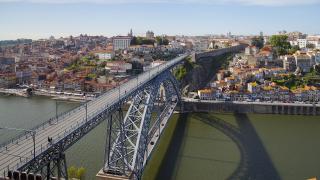
Fado in Porto differs significantly from Lisbon’s traditional style. This regional variation is known as 'Fado do Porto.' The music features a faster tempo and stronger rhythm. It lacks the deep melancholy associated with Lisbon’s fado. Performances are often less mournful and more upbeat. The atmosphere in Porto is notably casual and interactive. Audiences engage directly with the singers during shows. You will find these performances in the Ribeira district. The historic center also hosts several traditional venues. These locations offer a relaxed environment for visitors. Lisbon’s fado is typically more formal and solemn. Porto’s style encourages a lighter, more social experience. Costs for Porto fado are generally lower than in Lisbon. You can often enjoy a drink with your ticket. The combination of music and local cuisine is affordable. This makes it an accessible cultural experience for travelers. The distinct sound reflects Porto’s unique maritime history. It offers a refreshing contrast to the capital’s tradition. Visitors seeking variety should explore Porto’s music scene. The interactive nature provides a different perspective on the genre. It highlights the diversity within Portuguese musical heritage. This regional distinction adds depth to the overall understanding of fado. It shows how geography influences artistic expression in Portugal.
Etiquette and Audience Behavior
Attendees must maintain strict silence during performances. Talking disrupts the intimate atmosphere of traditional venues. Silence shows respect for the singer’s emotional delivery. Applause is reserved for the end of each song. Clapping between verses is considered rude and inappropriate. Do not interrupt the musical flow with noise. Tipping is customary but not mandatory in all venues. Leave coins on the table or give them directly. Avoid handing money to the singer during the set. Dress codes vary by establishment type. Smart casual attire is appropriate for most dinner shows. Avoid overly casual wear like beachwear or sportswear. Punctuality is essential for seated dinner experiences. Late arrivals may miss the opening performance. Standalone shows often have flexible entry times. However, arriving early ensures a good seat. The duration of shows typically lasts fifty minutes. Dinner experiences extend to one and a half hours. Plan your schedule accordingly to avoid rushing. Respect the cultural significance of the music. Fado captures the soul of Lisbon’s history. Your behavior contributes to the preservation of this art form. Follow local customs to ensure a respectful experience. Observe other audience members for cues on behavior. This ensures you blend in respectfully.
Booking and Practical Logistics
Advance reservations are essential for Lisbon venues. Popular spots like Duque da Rua fill quickly. Book tickets online or via local platforms. Standalone shows typically last 50 minutes. These include one drink in the price. Dinner experiences combine meals with 1.5 hours of music. Prices vary significantly between these two options. Dinner packages cost more due to food service. Budget travelers should seek standalone performance tickets. Minimum spend requirements may apply at some bars. Verify pricing structures before confirming reservations. Alfama remains the historical origin of Fado. Bairro Alto also hosts notable Fado bars. Transportation in Lisbon often involves steep hills. Walking between venues in Alfama requires sturdy shoes. Taxis or trams help navigate steep streets. Evening performances usually start after 8 PM. Arrive early to secure good seating. Silence is mandatory during the performance. Talking disrupts the intimate atmosphere completely. Applause is reserved for the end of songs. Respect the singer’s emotional delivery at all times. Avoid touristy spots for authentic experiences. Local favorites offer genuine cultural immersion. Highly-rated venues remain enjoyable despite crowds. Plan logistics carefully for a smooth visit.