Geographic Context and Region
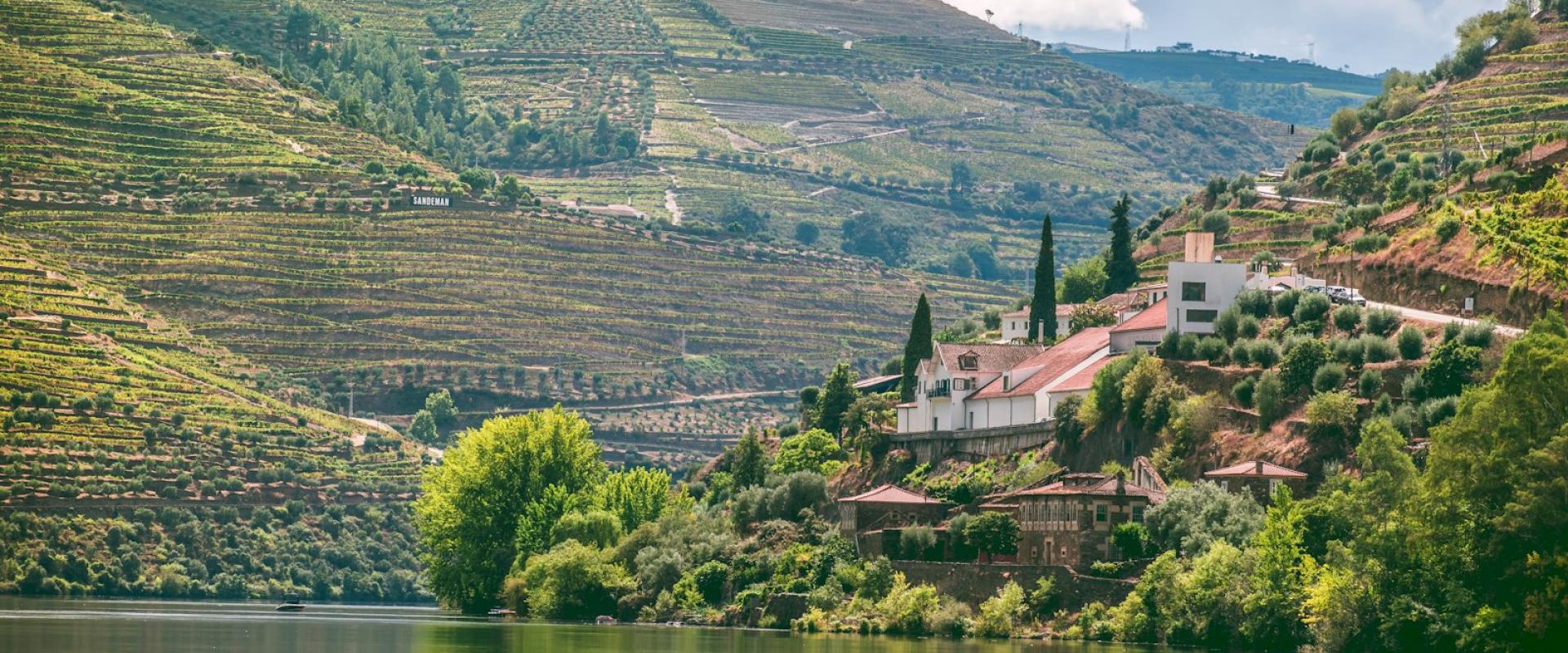
Porto serves as the coastal gateway to northern Portugal. This urban center anchors the region’s logistics. The Douro Valley lies inland, flowing eastward from Spain. UNESCO recognizes the Alto Douro Wine Region for its cultural landscape. The valley splits into three distinct sub-regions. Baixo Corgo offers moderate slopes and higher rainfall. Cima Corgo contains the primary vineyard estates. Douro Superior features steep terrain and arid conditions. Verticality defines the topography here. Terraced vineyards cling to steep hillsides. This geography dictates travel logistics significantly. Roads wind sharply through narrow valleys. Distances appear short but require considerable time. The Douro River carves a deep gorge. Porto’s historic center sits near the river mouth. The contrast between coastal flatness and inland steepness is stark. Visitors must account for elevation changes. Driving requires caution on narrow, winding roads. The landscape physically separates the wine estates. Accessibility varies greatly by sub-region. Superior areas remain remote and rugged. Baixo Corgo remains more accessible by car. The geography fundamentally shapes the visitor experience.
Transportation Networks and Access
Alfa Pendular trains connect Porto to Pinhão and Tua efficiently. This rail service offers reliable access to key valley stations. Car rental remains essential for flexible itinerary planning. Public bus coverage in rural areas is notably limited. Travelers often find schedules infrequent or non-existent in remote zones. The N-108 and N-222 roads provide scenic but winding routes. These roads require careful navigation due to sharp curves. Rabelo boat tours offer short river segments between villages. These traditional boats navigate the Douro’s lower stretches effectively. Private vehicles allow access to remote quintas and viewpoints. Public transit cannot reach most vineyard estates independently. Visitors should prioritize rental cars for comprehensive valley exploration. Train travel suits day trips to major towns only. Road conditions vary, requiring attentive driving on steep gradients. The combination of rail and road offers optimal coverage.
Viticulture and Wine Tourism
Portugal’s Douro Valley holds the distinction of being the world’s oldest demarcated wine region, established in 1756. This historic status defines its unique viticultural landscape. Visitors typically explore two distinct wine experiences. Quinta visits in the valley offer vineyard tours and tastings. These estates showcase key grape varietals like Touriga Nacional and Tinta Roriz. The steep terraced slopes require specialized agricultural techniques. In contrast, Vila Nova de Gaia cellars focus on Port wine. Located across the river from Porto, these cellars store and age fortified wines. Travelers can taste various Port styles here. Advance booking is essential during the harvest season. This period sees increased demand for tours. Logistics require planning ahead for both valley and Gaia visits. The region’s wine tourism infrastructure supports high visitor volumes. Understanding the difference between valley quintas and Gaia cellars enhances the experience. Each location offers a distinct perspective on Portuguese winemaking traditions.
Urban Exploration in Porto
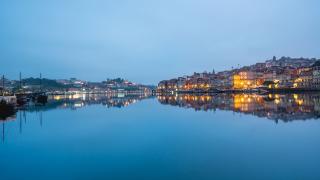
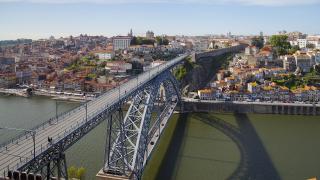
Porto’s UNESCO historic center features steep, vertical streets. This topography demands physical stamina for navigation. Visitors must prepare for uneven cobblestone terrain. The Clerigos Tower offers panoramic city views. São Bento Station displays intricate azulejo tilework. Livraria Lello provides a distinctive literary experience. The Ribeira district lines the Douro Riverbank. The Dom Luís I Bridge connects two banks. Local cuisine highlights the hearty Francesinha sandwich. Pastéis de nata serve as a sweet staple. Walking tours require comfortable footwear for safety. The city’s layout necessitates careful route planning. Elevation changes occur frequently throughout the center. Public transport supplements walking for longer distances. The Douro Valley lies just inland. Vineyards define the surrounding rural landscape. Wine tourism complements the urban exploration. Both areas showcase Portugal’s rich heritage. Practical preparation ensures a safe visit. The region’s geography shapes the travel experience significantly.
Logistical Considerations and Planning
Spring and autumn offer optimal weather for visiting Porto and the Douro Valley. These seasons provide mild temperatures suitable for outdoor exploration. English is widely spoken in Porto’s tourism sector. However, learning basic Portuguese phrases aids interaction with locals. The Euro serves as the official currency throughout Portugal. Small vendors in rural Douro areas often prefer cash. Carry small denominations for easier transactions at local markets. Physical preparation is essential due to steep terrain. Porto’s historic center lacks elevators in many buildings. Cobblestone streets require sturdy footwear for safe navigation. Advance booking is critical for popular wine tours. Restaurants in Porto fill quickly during peak seasons. Secure reservations weeks ahead to guarantee table availability. This planning ensures a smoother travel experience. It minimizes wait times and logistical stress. Prioritize these details before your arrival. Proper preparation enhances enjoyment of the region. Focus on practical needs for a successful trip.