Porto
Riverside city with historic center and port wine cellars
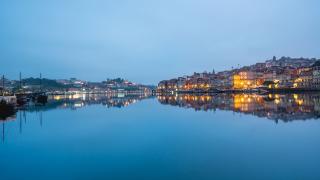
Porto, often called Oporto in English, is a captivating city that blends centuries of history with a dynamic contemporary spirit. Its origins date back to Roman times, but Porto truly flourished in the Middle Ages as a key trading port and later as the birthplace of the world-famous port wine industry. The city’s strategic location along the Douro River made it a hub for commerce, culture and exploration, shaping its unique identity and architectural landscape. Prince Henry the Navigator was born here, and the city gave Portugal its name, from the Roman Portus Cale. Its historic center was inscribed on the UNESCO World Heritage list in 1996.
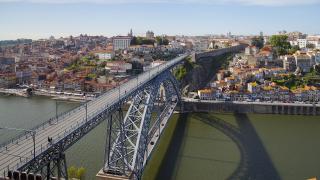
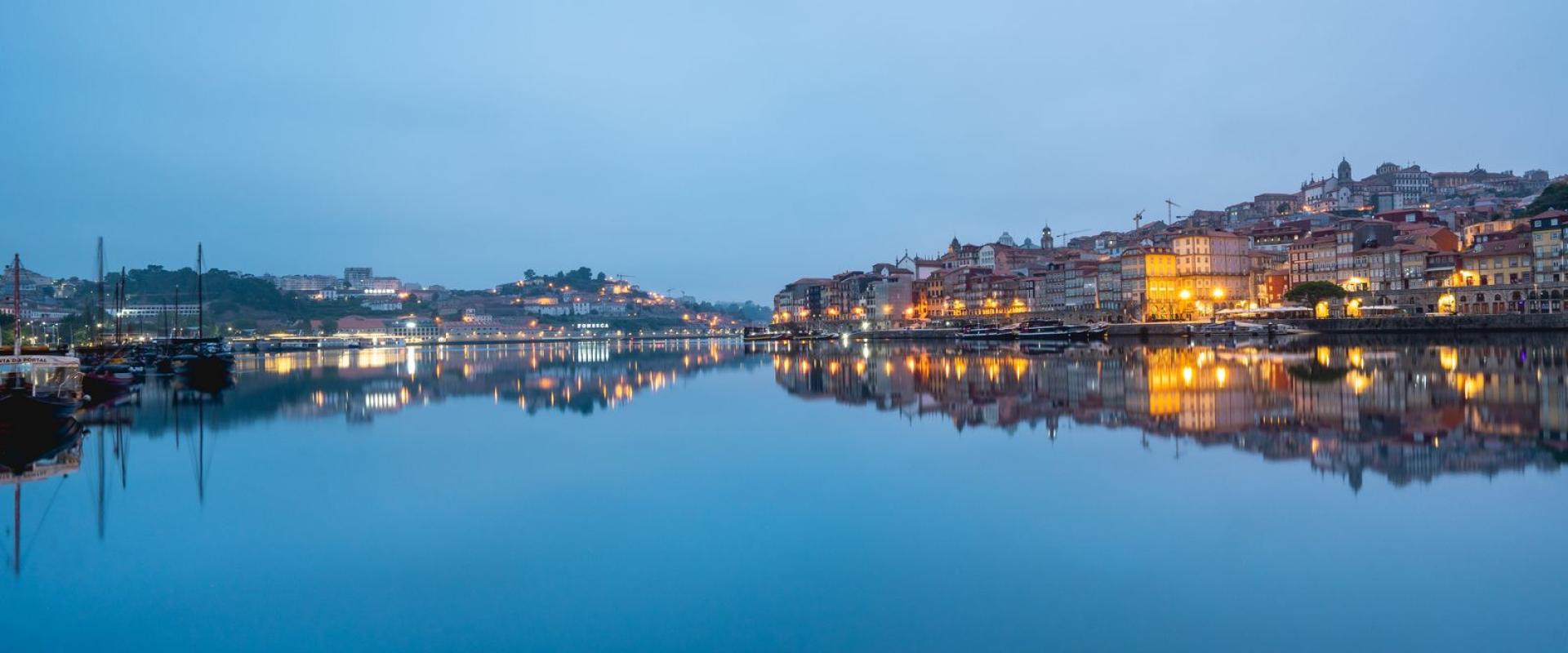
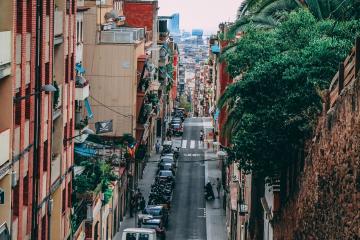
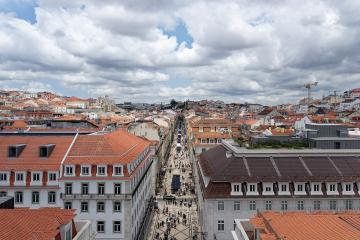
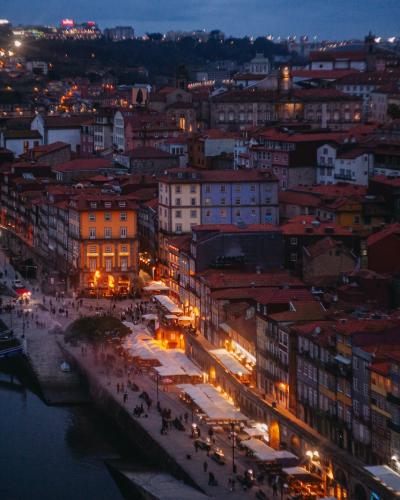
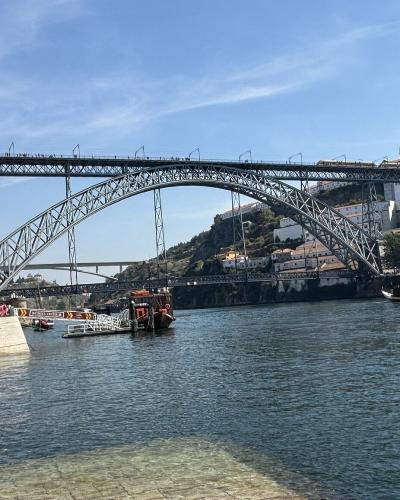
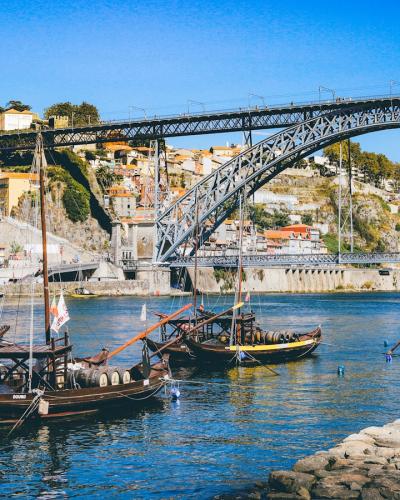
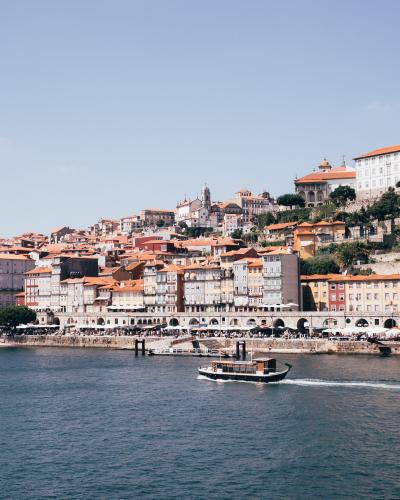
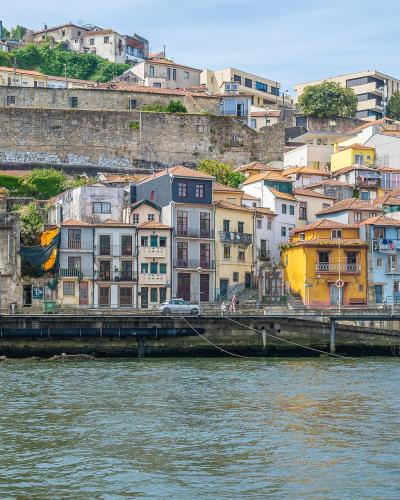
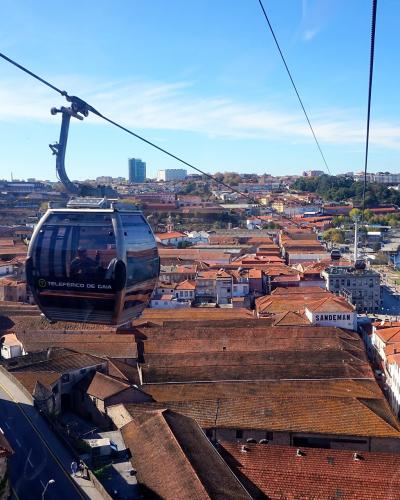
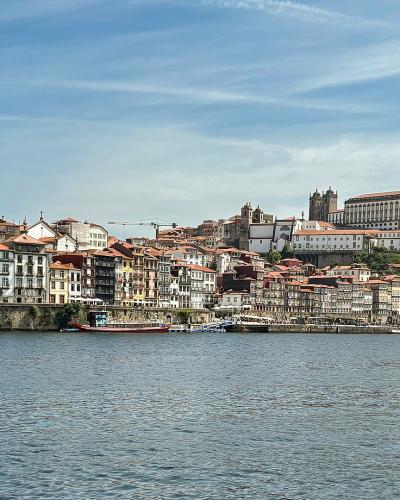
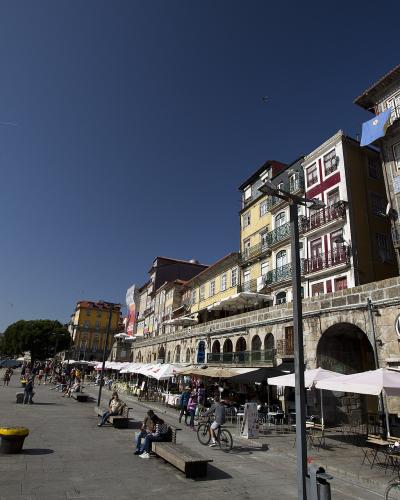
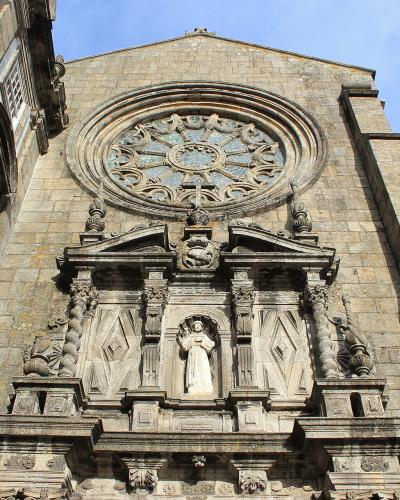
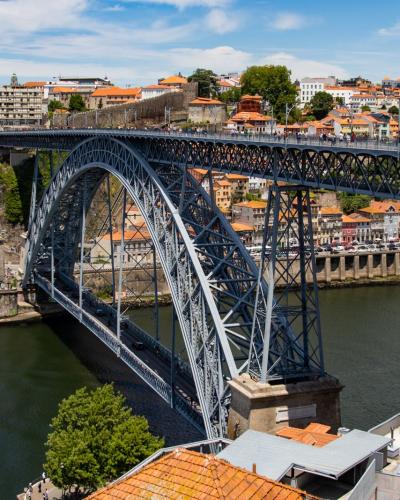
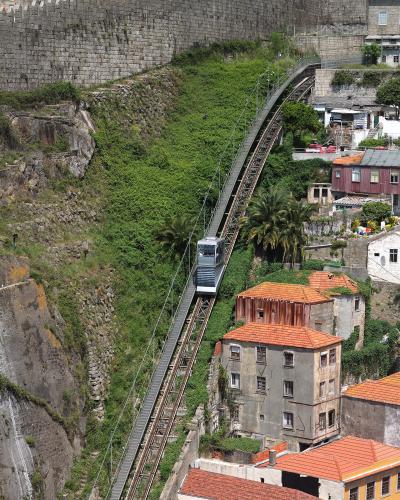
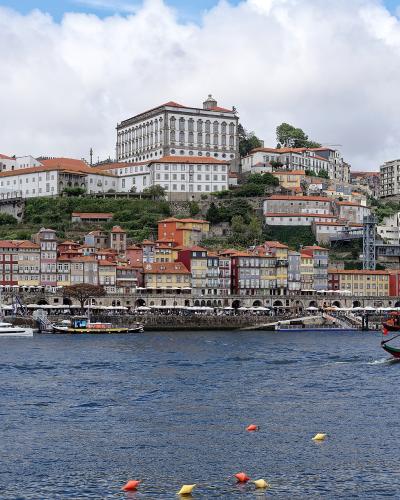
The center of Porto is the UNESCO World Heritage-listed Ribeira district, a picturesque neighborhood of winding cobblestone streets, colorful facades and lively riverside cafés. Strolling through Ribeira, visitors encounter historic landmarks such as the Church of São Francisco, known for its ornate Baroque interior covered with gold leaf, and the neoclassical Palácio da Bolsa, once the city’s stock exchange. The iconic Dom Luís I Bridge, designed by a disciple of Gustave Eiffel, spans the Douro River, connecting Porto to Vila Nova de Gaia, home to the city’s legendary port wine cellars. The funicular dos Guindais and a cable car on the Gaia side provide a rest for tired legs and views of the river.
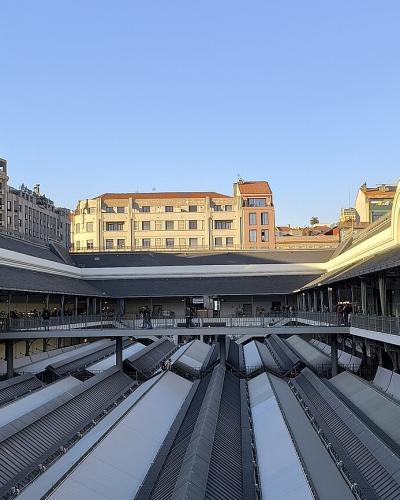
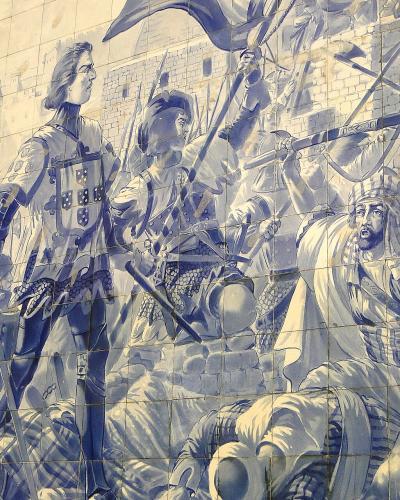
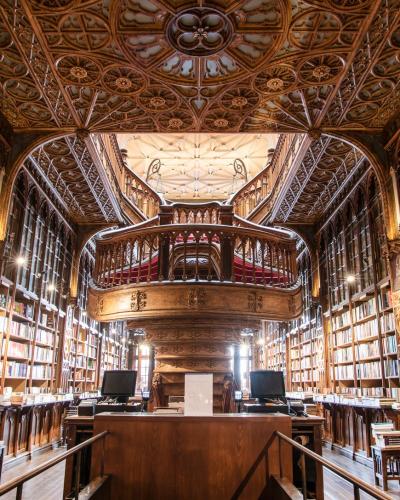
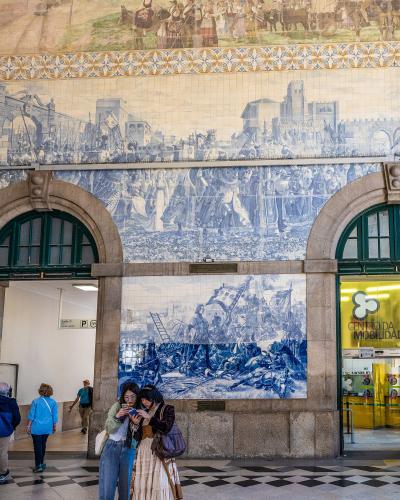
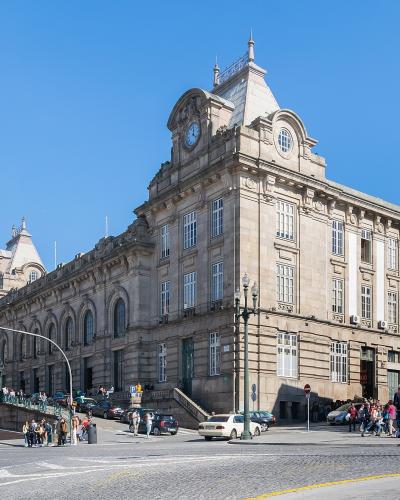
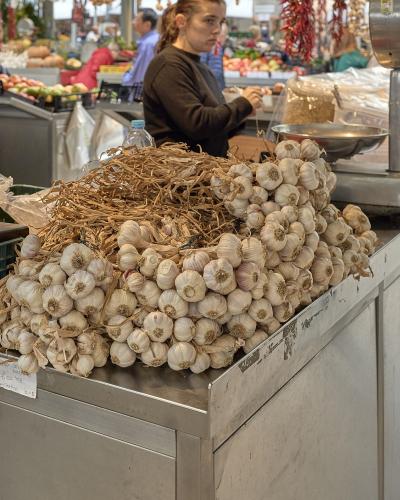
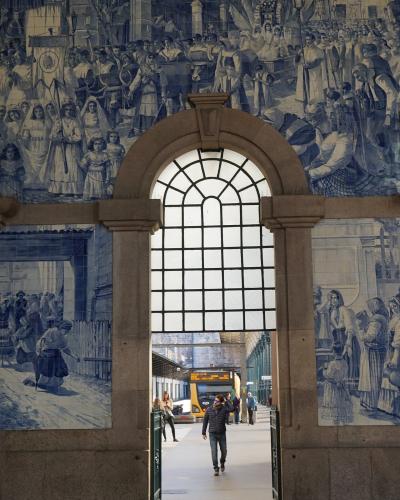
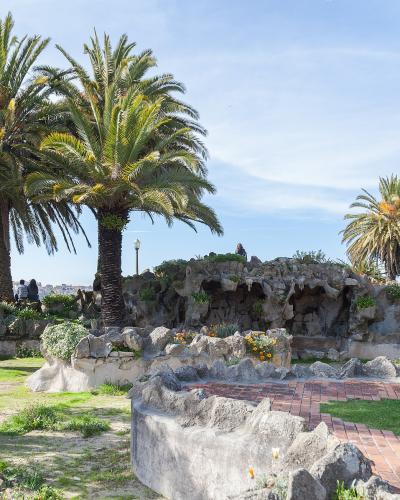
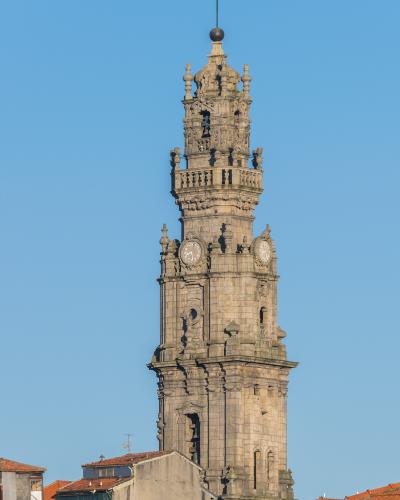
Porto’s skyline is punctuated by the soaring Clérigos Tower, offering panoramic views over the city, and the striking blue-and-white azulejo tiles of São Bento Railway Station, which depict scenes from Portuguese history. The Livraria Lello, one of the world’s most beautiful bookstores, is a favorite stop for literature lovers and Harry Potter fans alike. Art enthusiasts will appreciate the Serralves Museum of Contemporary Art and the city’s vibrant street art scene. The Bolhão Market, with its traditional stalls, and the gardens of the Jardim do Morro offer a taste of daily life, while the Casa da Música concert hall shows the city’s contemporary architecture.
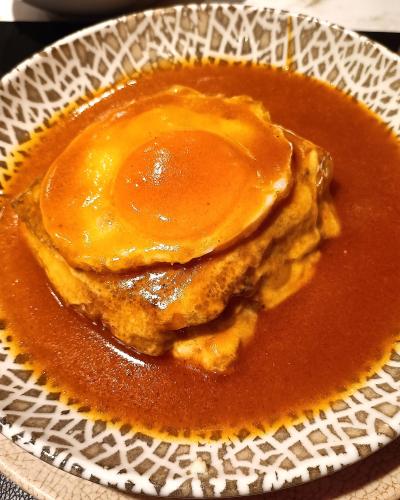
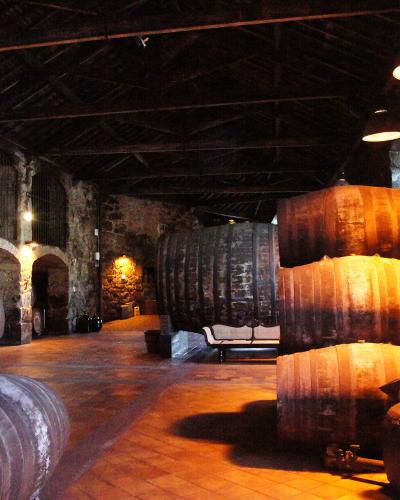
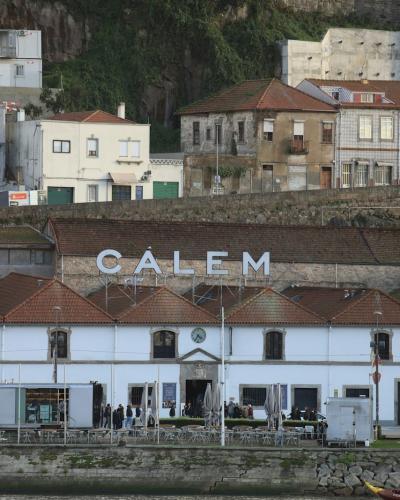
No visit to Porto is complete without exploring its culinary delights. The city is renowned for its hearty cuisine, including the iconic francesinha sandwich, fresh Atlantic seafood and a variety of petiscos (Portuguese tapas). The riverside Cais da Ribeira is lined with restaurants and bars, ideal for sampling local dishes while watching boats glide along the Douro. Across the river in Vila Nova de Gaia, visitors can tour historic port wine lodges, such as Calém, learn about the aging process and enjoy tastings with sweeping views of Porto’s skyline. Traditional rabelo boats, once used to carry barrels downriver, are moored beside the lodges.
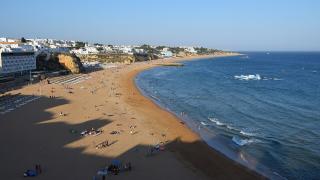
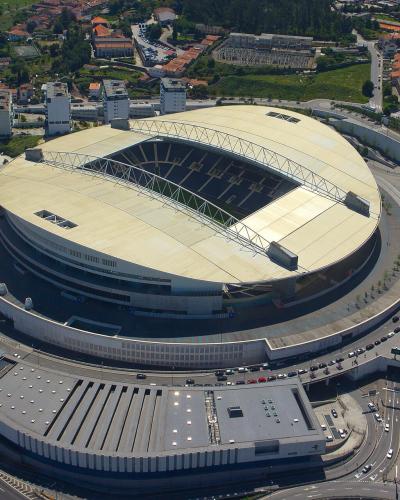
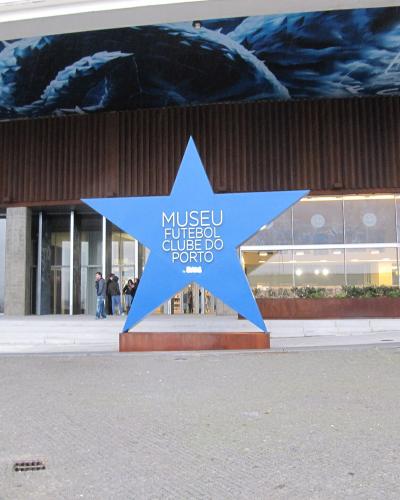
Porto is also a gateway to the scenic Douro Valley, where terraced vineyards produce some of Portugal’s finest wines. Day trips by boat, train or car offer a chance to experience the region’s natural beauty and traditional villages. Within the city, green spaces like the Crystal Palace Gardens and City Park provide tranquil retreats, while the nearby Atlantic beaches, such as those at Foz do Douro, offer sun, surf and relaxation. The Estádio do Dragão, home of the city’s football club, has a museum for fans.
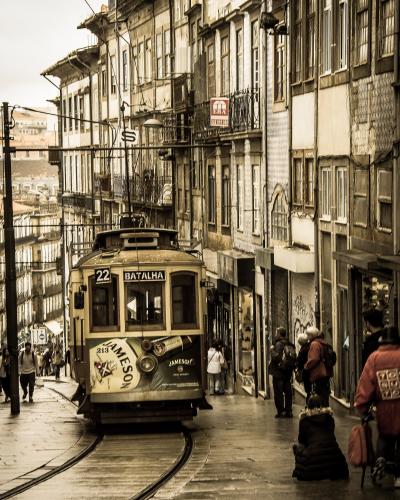
Getting to Porto is easy, with Francisco Sá Carneiro Airport offering direct flights to major European cities. The city’s compact center is best explored on foot, though trams, buses and the metro provide convenient transport. Porto’s mild, Atlantic-influenced climate makes it a pleasant destination year-round, though spring (April-June) and early autumn (September-October) offer the best balance of warm weather and manageable crowds. Hills and cobblestones are steep, so comfortable shoes are essential.
Whether the draw is the history, the wine or the riverside ambiance, Porto promises a rich and rewarding experience. Its blend of tradition and innovation, friendly locals and impressive scenery make it one of Europe’s most memorable cities.
Best Time to Visit
May to September offers warm, sunny weather ideal for sightseeing and riverfront activities; spring and early autumn are especially pleasant and less crowded.
Did you know?
Interesting, verified facts about Porto
Porto Is Shaped by a River
HistorySet along the Douro River in northern Portugal, Porto boasts a rich architectural heritage, from medieval alleyways and Baroque churches to striking contemporary landmarks.
Source: Porto - WikipediaPorto's Iconic Bridge Broke a World Record in 1886
RecordThe double-deck Dom Luís I Bridge spanning the Douro was designed by Théophile Seyrig, a former business partner of Gustave Eiffel, which explains its striking resemblance to Eiffel's ironwork. When it was inaugurated on 31 October 1886, its 172-metre iron arch was the longest of its type in the world. Today you can walk across the top deck alongside the metro for one of the best free views in Porto.
Source: WikipediaPlan Your Visit to Porto
Essential travel tips and information for your trip to Porto.
Suggested Itineraries
Extended Porto Experience
3 days3-day general exploration of Porto's history and culture
View ItineraryTravel Tips
Currency
EUR • Cards widely accepted
Language
Portuguese • English in tourist areas
WiFi
Free WiFi in cafes and hotels
Explore Porto by Interest
Discover attractions and experiences in Porto organized by your interests and travel preferences.


All attractions in Porto
Sorted by our recommendation score


Quick Facts
Book your stay
Frequently Asked Questions
More destinations in Porto and Northern Coast
Explore other amazing places in the Porto and Northern Coast region