Understanding the Aldeias
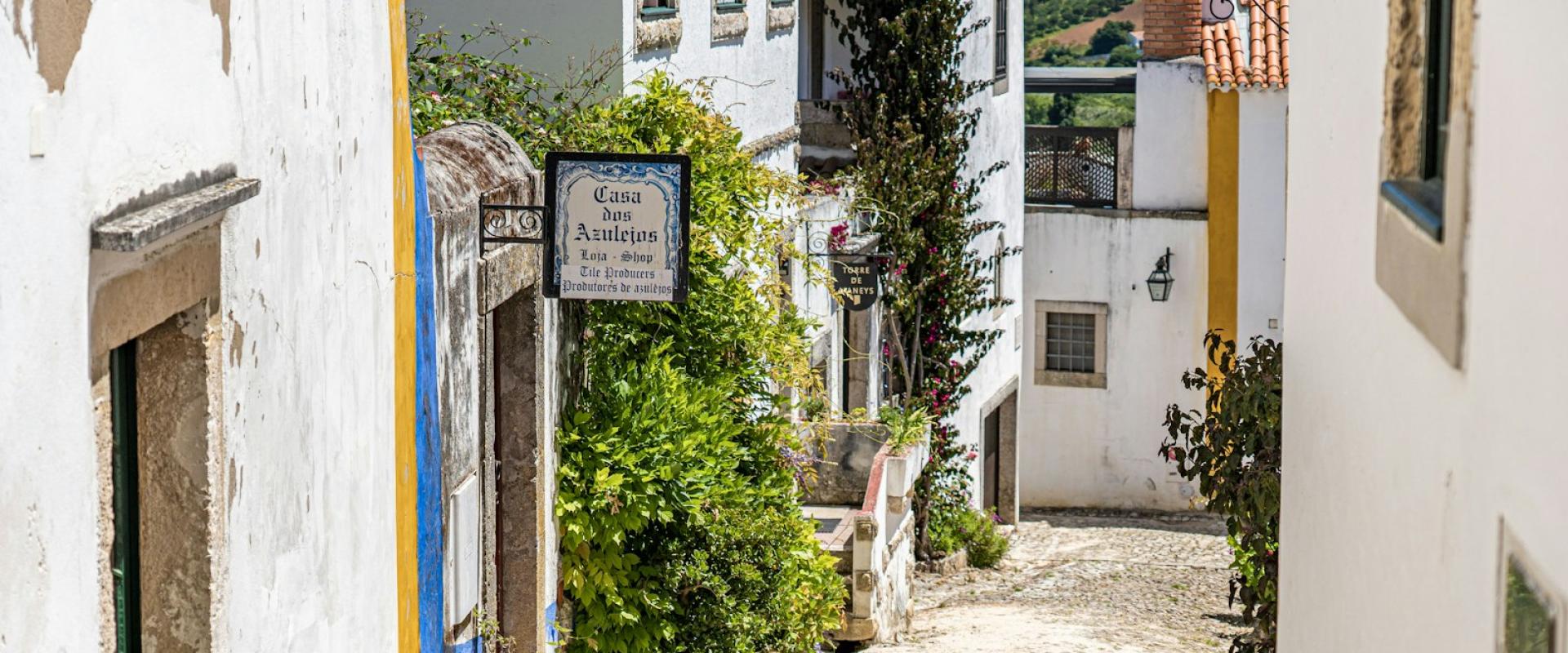
Portuguese rural accommodation operates under strict Turismo Rural licensing. This legal framework ensures specific safety and hygiene standards. Properties must maintain traditional architectural integrity throughout their operation. The North features stone and granite structures. These buildings reflect local geology and historical building methods. The South showcases whitewashed Quintas in the Alentejo region. These homes prioritize cool interiors against intense summer heat. Heritage preservation remains a central operational goal. Owners restore historic structures rather than constructing new ones. This approach protects the national cultural landscape. Most establishments follow a family-run operational model. Personalized service defines the guest experience significantly. Hosts often provide direct local knowledge and guidance. You will find authentic interactions with residents. This contrasts sharply with standardized international hotel chains. The focus remains on preserving rural heritage. Guests experience genuine Portuguese countryside living. Accommodations blend modern comfort with historical authenticity. This balance attracts travelers seeking cultural immersion. The structure supports sustainable tourism practices. Local materials and labor support regional economies. You engage directly with the community. This connection enhances the overall travel value. Rural stays offer a distinct Portuguese perspective.
Regional Distinctions and Landscape
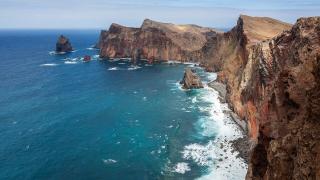
Portuguese rural accommodation varies significantly by region. Geography dictates architectural styles and available activities. In the North, properties cluster near Douro Valley vineyards. Guests access Serra da Estrela mountains for winter sports. Thermal springs in the north offer relaxation. Architecture here features stone and slate. The South centers on Alentejo plains. Cork oak forests define the landscape. Rural stays focus on local gastronomy. Homes often feature whitewashed walls and clay tiles. The islands present distinct volcanic landscapes. Madeira and Azores properties emphasize eco-tourism. Hiking trails connect many island accommodations. Climate heavily influences building materials. Northern stone provides warmth against rain. Southern white reflects intense southern sun. Activities align with regional geography. Vineyard tours dominate the North. Horseback riding suits the Alentejo plains. Volcanic hikes attract island visitors. Travelers should match preferences to landscape. Northern stays offer cooler, rugged terrain. Southern options provide open, flat expanses. Island properties deliver unique biodiversity. Each region maintains distinct character. Selection depends on desired environment. Rural tourism supports local economies. Authenticity remains a key selling point. Traditional methods persist in construction. Modern amenities blend with heritage. This balance defines the Portuguese experience.
Amenities and Heritage Features
Portuguese rural properties blend historic architecture with modern necessities. Stone fireplaces remain common in northern Alentejo homes. Wooden beams and clay tiles define the traditional aesthetic. These features preserve cultural authenticity for guests. Dining often highlights regional culinary traditions. Many establishments partner with local farms for breakfast. Fresh produce arrives daily from nearby producers. Connectivity varies significantly across the country. Remote mountain areas may lack reliable Wi-Fi. Travelers should verify internet access before booking. Accessibility presents challenges in older structures. Historic buildings often lack elevator installations. Newer properties offer adapted rooms for mobility needs. Communal spaces encourage social interaction. Shared libraries display regional history books. Terraces provide views of surrounding vineyards. Gardens feature native Mediterranean plants. These spaces facilitate relaxation after hiking. Guests appreciate the quiet atmosphere. The design prioritizes tranquility over luxury. Practical comforts support extended stays. Understanding these features aids trip planning. Authenticity defines the rural experience here.
Booking and Accessibility Logistics
Rural properties in Portugal maintain small inventories. You must book several months in advance. Spring and autumn see peak demand. These seasons offer mild weather for hiking. Winter bookings are easier to secure. Payment methods vary by location. Many remote farms prefer cash payments. Credit cards are accepted in larger towns. Always carry euros for rural stays. Public transport is limited in these areas. You will need a rental car. Buses rarely reach isolated mountain villages. Driving requires comfort with narrow roads. Transfer services are available upon request. Notify hosts of late arrivals. Remote locations lack 24-hour reception desks. Language barriers exist in very remote spots. English proficiency drops significantly outside cities. Learn basic Portuguese phrases for greetings. Hosts appreciate efforts to speak local dialects. Rural roads often lack clear signage. Use GPS but verify with local maps. Some properties require four-wheel-drive vehicles. Check road conditions before arrival. Accessibility features are rare in historic homes. Stone stairs and uneven floors are common. Contact hosts directly regarding mobility needs. Most properties cannot accommodate wheelchairs. Plan activities based on your physical limits. Rural tourism supports local economies directly. Your booking helps preserve traditional architecture.
Cultural Immersion and Etiquette
Engage with hosts for authentic local recommendations. Portuguese rural hosts value personal connection. Use basic phrases like "bom dia" to show respect. Greetings are essential before initiating conversation. Participate in local workshops when available. Many properties offer traditional craft demonstrations. These activities support regional artisans directly. Respect the quiet atmosphere of rural areas. Noise levels should remain low after dusk. This preserves the tranquility for all guests. Support local businesses by dining nearby. Purchase goods from village shops and markets. This economic support sustains the community. Embrace the slow pace of life. Rural Portugal prioritizes relaxation over efficiency. Schedules are often flexible and informal. Avoid rushing through meals or activities. Allow time for spontaneous social interactions. This approach enhances the cultural experience significantly. Prioritize sustainability in your daily habits. Conserve water and energy as locals do. Many rural homes rely on limited resources. Proper usage demonstrates respect for the environment. Engage with neighbors when appropriate. Simple courtesy builds positive community relations. This etiquette ensures a harmonious stay for everyone involved.