
Lisbon
Historic riverside capital with hills and vibrant culture
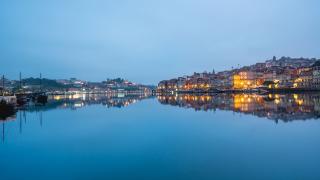
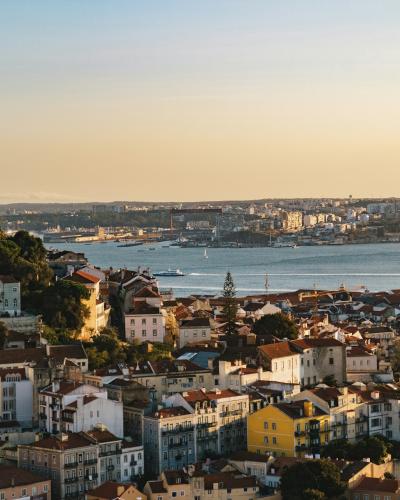
Lisbon, Portugal’s capital and largest city, is a vibrant metropolis where history, culture and modern life intertwine along the scenic banks of the Tagus River. With a history dating back to pre-Roman times, Lisbon has been shaped by a succession of civilizations, including the Phoenicians, Romans, Moors and Christians. The city flourished during the Age of Discoveries in the 15th and 16th centuries, when Portuguese explorers set sail from its harbor to chart new worlds, bringing wealth and architectural grandeur that still define much of the cityscape today. In 1755 a massive earthquake, followed by a tsunami and fires, destroyed much of the center, and the district of Baixa was rebuilt on a grid under the Marquis of Pombal.
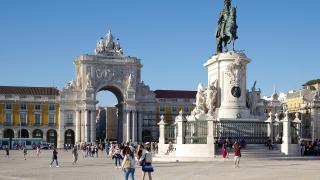
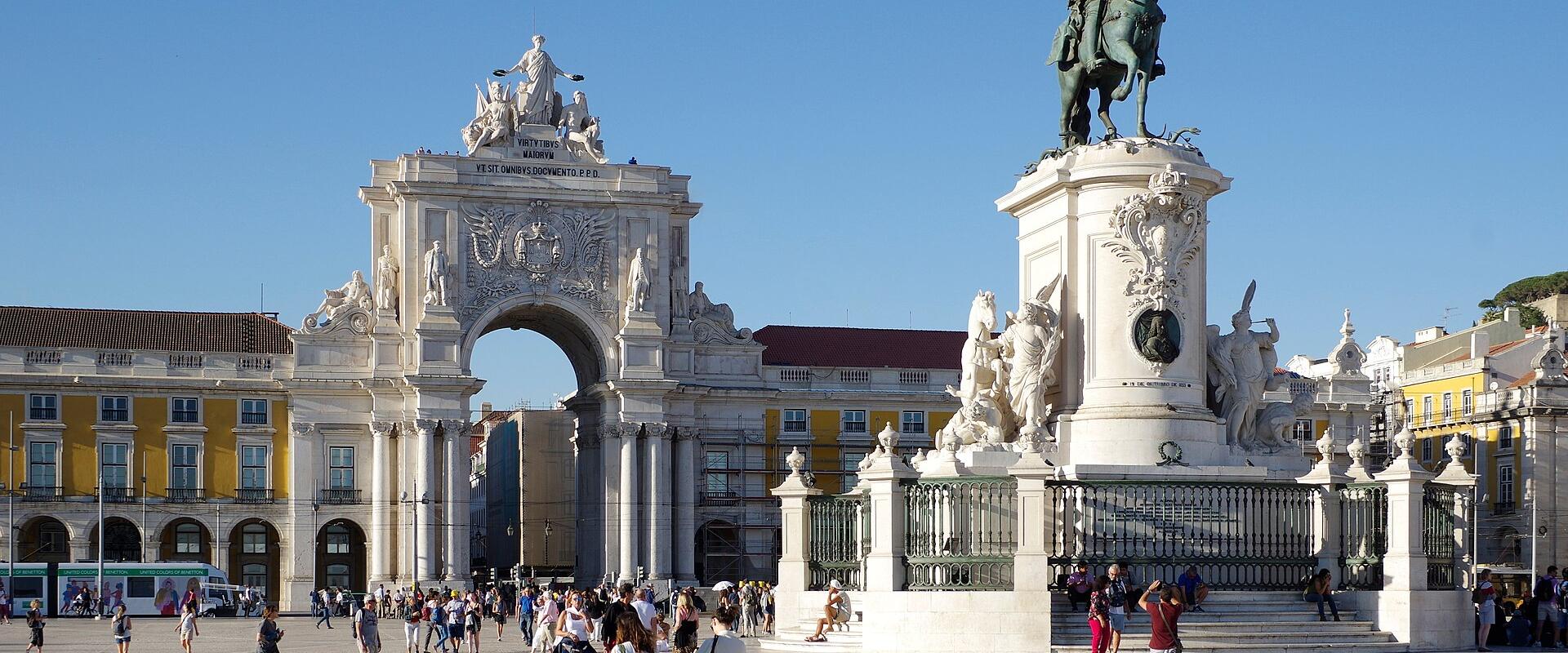
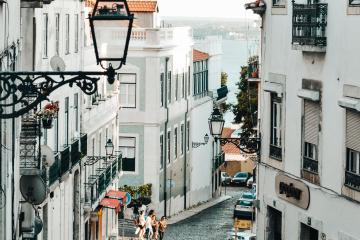
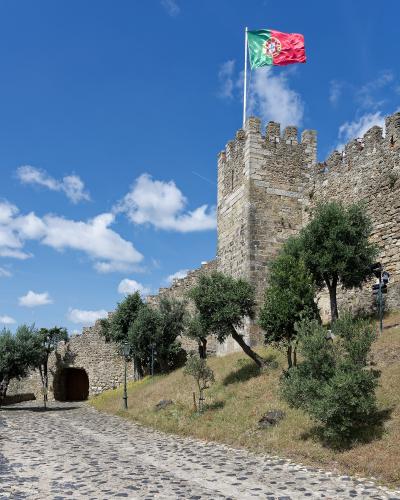
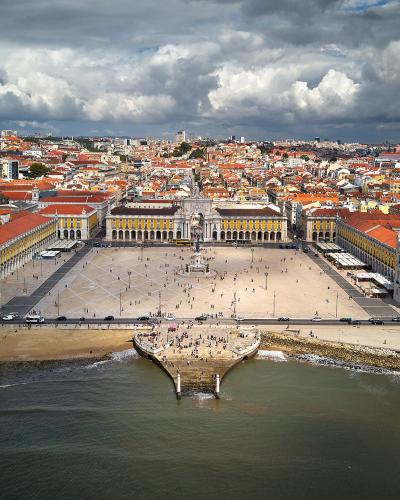
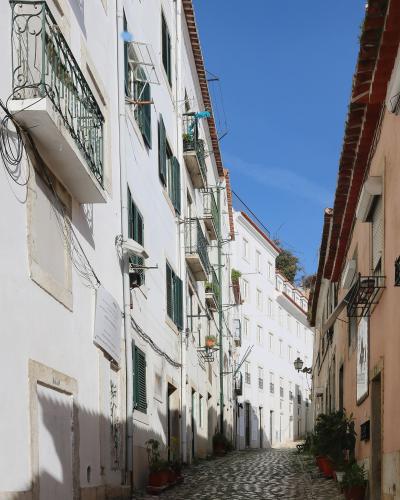
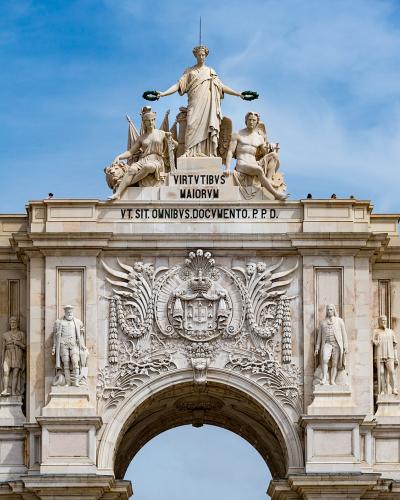
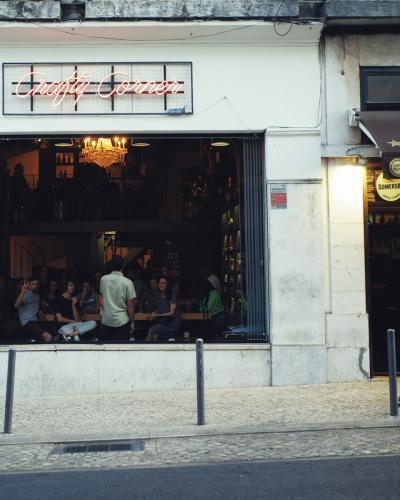
The core of Lisbon is its historic neighborhoods. Alfama, the city’s oldest quarter, is a maze of narrow, winding streets, whitewashed houses and hidden courtyards. Here, visitors can discover the soulful sounds of Fado music in intimate taverns and climb to the imposing São Jorge Castle for sweeping views over the city. Baixa, the downtown area rebuilt after the devastating 1755 earthquake, features grand plazas like Praça do Comércio, elegant neoclassical buildings and bustling shopping streets. The Santa Justa Lift, a neo-Gothic iron elevator, connects Baixa with the upper town. Bairro Alto, perched on a hill, comes alive at night with its vibrant bars, restaurants and live music venues.
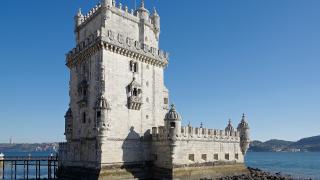
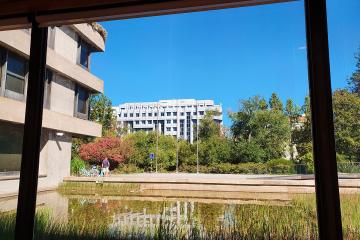
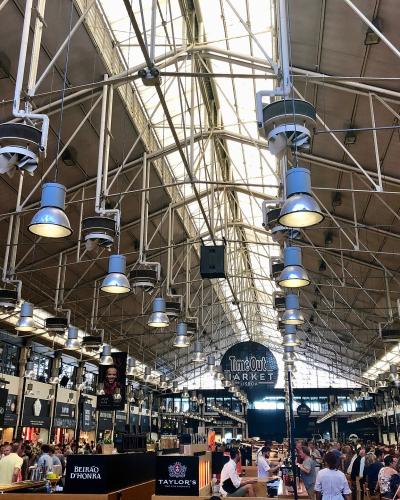
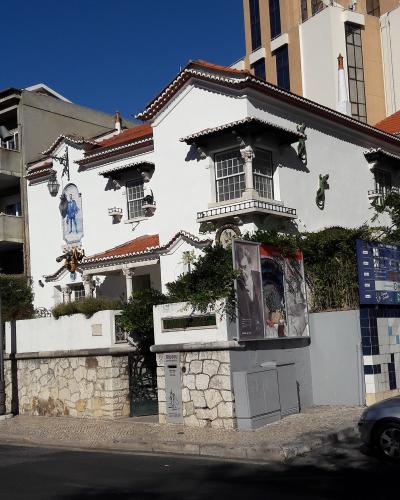
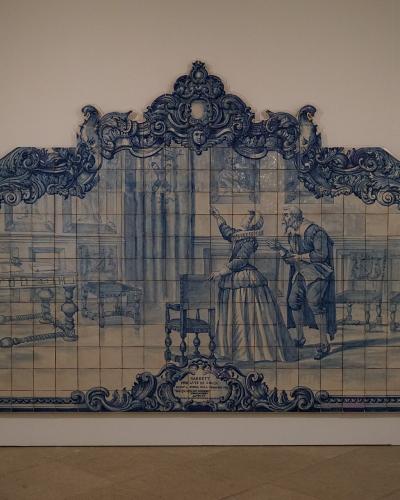
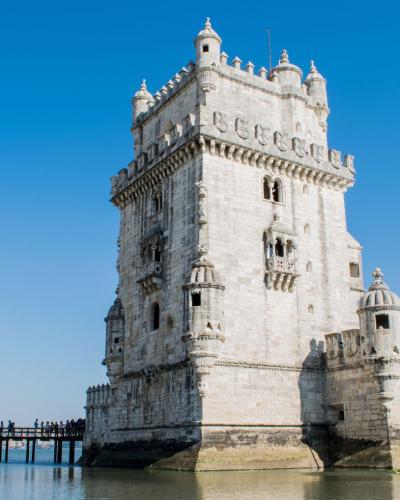
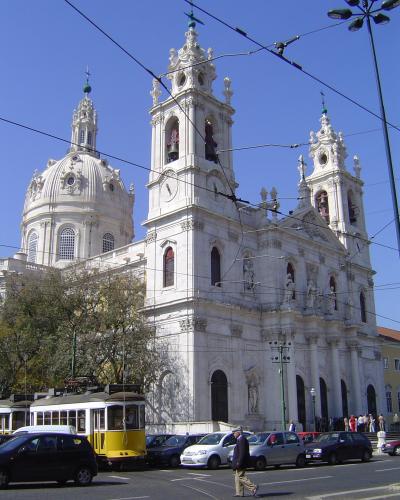
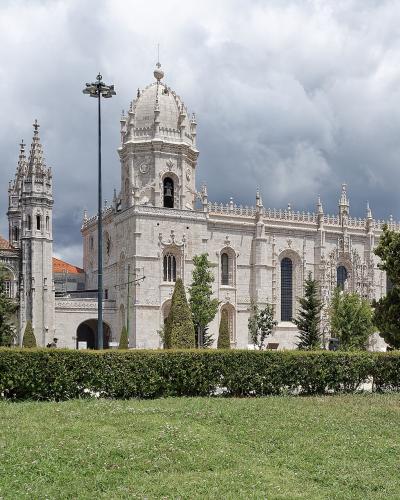
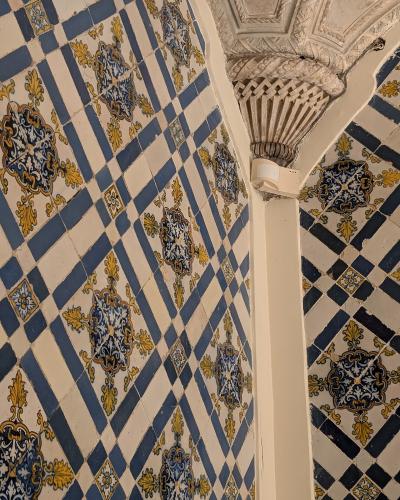
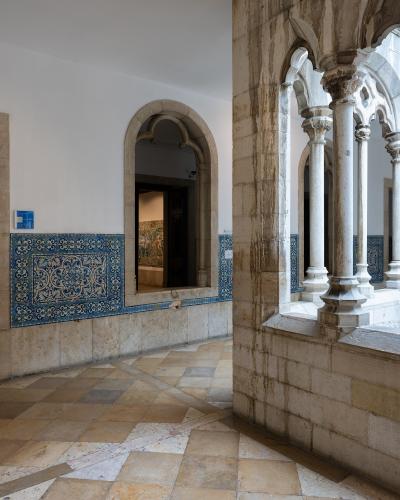
Belém, to the west of the city center, is home to some of Lisbon’s most iconic landmarks. The UNESCO-listed Belém Tower and Jerónimos Monastery are masterpieces of Manueline architecture, reflecting Portugal’s maritime heritage. The area also hosts the Monument to the Discoveries and the renowned Pastéis de Belém bakery, where visitors can sample the city’s famous custard tarts. Art lovers will appreciate the Calouste Gulbenkian Museum and the contemporary MAAT (Museum of Art, Architecture and Technology), while the National Tile Museum showcases Portugal’s distinctive azulejos. The Museu Bordalo Pinheiro, the Basílica da Estrela, Parque Eduardo VII and the Time Out Market are among the other highlights, and in the Parque das Nações, built for Expo 98, the large Oceanarium is a popular attraction for families.
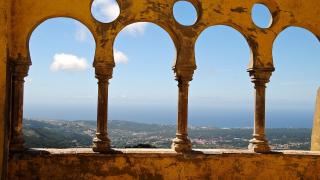
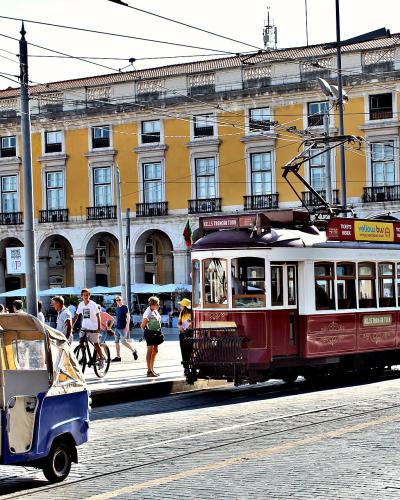
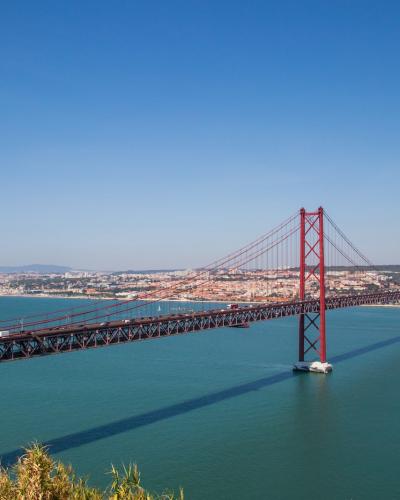
Lisbon’s hills offer countless miradouros (viewpoints), such as Miradouro da Senhora do Monte and Miradouro de Santa Catarina, providing panoramic vistas of the city’s red rooftops, the river and the iconic 25 de Abril Bridge. The city’s iconic yellow trams, especially Tram 28, wind their way through historic districts, offering a scenic and nostalgic way to explore. The trams are very crowded in summer, and it is wise to keep belongings secure and to ride early in the morning. Funiculars and elevators help connect different levels of the city.
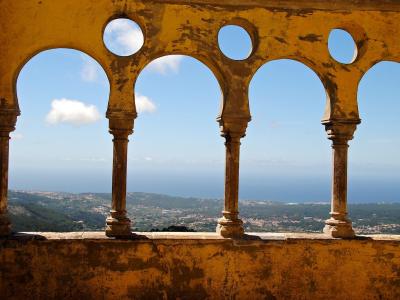
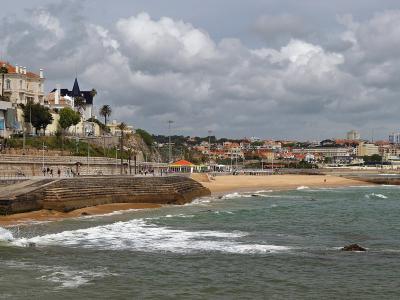
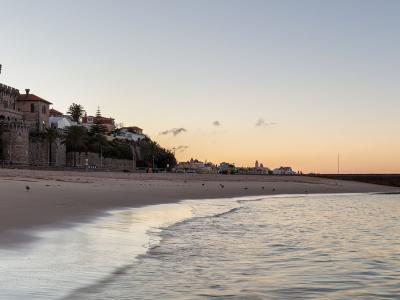
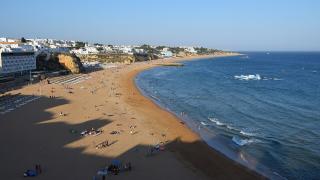
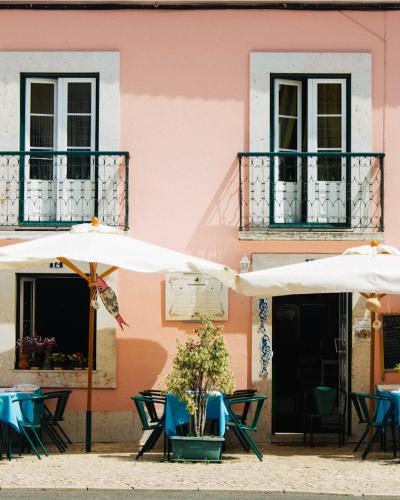
Outdoor enthusiasts can enjoy the city’s proximity to Atlantic beaches like Cascais and Costa da Caparica, easily reached by train or bus. Day trips to the fairy-tale palaces of Sintra or the medieval town of Óbidos are also popular. Lisbon’s culinary scene is a highlight, with fresh seafood, traditional petiscos (Portuguese tapas) and a growing number of innovative restaurants and food markets. Grilled sardines, salt cod and the cherry liqueur ginjinha, served in small glasses at tiny bars near Rossio, are classic tastes of the city, and the Feira da Ladra, a flea market held twice a week, is a good place to look for souvenirs.
Getting around Lisbon is convenient thanks to an extensive public transport network, including metro, buses, trams and ferries. The city is served by Humberto Delgado Airport, with direct flights to major European and international destinations. Lisbon’s compact size makes it well suited to exploring on foot, though its steep hills can be challenging; elevators and funiculars help connect different levels of the city.
The best time to visit Lisbon is during spring (March to May) or early autumn (September to October), when the weather is warm, crowds are smaller and hotel rates are more affordable. Summers are hot and lively, with numerous festivals and outdoor events, while winters are mild and quieter, offering a more relaxed atmosphere. For history, culture, cuisine or coastal scenery, Lisbon offers a rich and rewarding experience for every traveler.
Best Time to Visit
March to May and September to October offer warm weather, fewer crowds, and ideal conditions for sightseeing and outdoor activities in Lisbon.
Did you know?
Interesting, verified facts about Lisbon
Strategic harbor shaped history
HistoryLisbon's history is defined by its position at the mouth of the Tagus River, where its sheltered natural harbor made it a key seaport for trade between the Mediterranean and northern Europe.
Source: external sourcePlan Your Visit to Lisbon
Essential travel tips and information for your trip to Lisbon.
Suggested Itineraries
Extended Lisbon Experience
3 days3-day general exploration of Lisbon's historic districts
View ItineraryTravel Tips
Currency
EUR • Cards widely accepted
Language
Portuguese • English in tourist areas
WiFi
Free WiFi in cafes and hotels
Explore Lisbon by Interest
Discover attractions and experiences in Lisbon organized by your interests and travel preferences.



All attractions in Lisbon
Sorted by our recommendation score


Quick Facts
Book your stay
Frequently Asked Questions
More destinations in Lisbon Metropolitan Area
Explore other amazing places in the Lisbon Metropolitan Area region