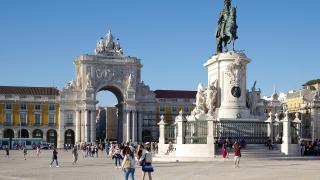








Housing Market Realities
Portugal’s rental market varies significantly by region. Urban centers command premium prices for long-term stays. Lisbon and Porto center rents range from €1,200 to €1,800 monthly. These costs reflect high demand and limited supply. Interior regions offer substantially lower housing options. Small apartments in the interior cost approximately $400 monthly. This equals roughly €370 based on current exchange rates. Daily living expenses remain lower outside major cities. Rent is 52.9% lower than in the U.S. overall. Upfront costs require careful financial planning. Landlords typically demand a two-month security deposit. You must also pay the 'chave' fee. This key money compensates the previous tenant. Contracts usually enforce a 12-month minimum commitment. Breaking a lease early incurs significant penalties. Urban convenience comes at a steep price. Rural areas provide affordability and space. Public transport tickets cost around €1.50 locally. Inexpensive meals average €9 per person. Budgeting requires balancing location against monthly income. Total costs depend on personal lifestyle choices. Housing remains the largest monthly expense for expats. Planning ahead ensures financial stability during your stay.
Utilities and Connectivity
Utilities and Connectivity
Electricity bills for long-term stays in Portugal typically range from €80 to €150 monthly. Costs fluctuate significantly with seasonal weather changes. Winter heating and summer cooling drive these variations. Water expenses are generally lower, averaging €20 to €40 per month. This cost covers standard household usage for one or two residents. High-speed fiber internet is widely available in urban and rural areas. Monthly plans cost between €30 and €50 for reliable speeds. Mobile connectivity offers affordable options for daily communication. Local carriers provide data-heavy plans for €15 to €25 monthly. Energy efficiency plays a crucial role in managing monthly bills. Older buildings often lack modern insulation, increasing heating costs. Newer constructions usually feature better thermal efficiency. Residents should check appliance energy ratings before purchasing. Efficient appliances reduce long-term electricity consumption. Portugal’s grid relies on renewable sources, supporting sustainable living. Internet providers compete fiercely, ensuring competitive pricing. Bundled packages for internet and mobile can save money. Always verify contract terms before signing. Short-term rentals may include utilities, but long-term leases usually do not. Budget accordingly for these separate monthly expenses. Accurate forecasting helps maintain a stable financial plan during your stay.
Groceries and Dining Out
Grocery budgets for long-term stays in Portugal typically range from €200 to €300 monthly for one person. This estimate assumes regular home cooking rather than frequent restaurant visits. Shoppers should prioritize major supermarket chains for consistent pricing and quality. Pingo Doce and Continente offer extensive selections of local produce and imported goods. Lidl provides competitive prices for staple items and household essentials. These retailers are widely accessible across urban and rural areas. Dining out remains affordable for expats seeking variety. Inexpensive meals at local tascas cost approximately €8 to €12. These venues serve traditional Portuguese dishes at reasonable rates. Local beer prices range from €1.50 to €2.50 per bottle. Wine offers exceptional value, with bottles priced between €3 and €6. This pricing structure encourages a balance between home cooking and social dining. Long-term residents often find that combining these habits stretches their budget effectively. The cost difference between preparing meals at home and eating out is significant. Home cooking reduces monthly expenses by nearly half compared to daily restaurant dining. This strategy supports sustainable long-term living without compromising on quality or variety. Understanding these price points helps expats plan their monthly finances accurately. Local markets also provide fresh ingredients at lower costs than supermarkets. Seasonal fruits and vegetables are particularly abundant and inexpensive. This availability further supports a healthy and budget-conscious lifestyle in Portugal.
Transportation and Mobility
Public transit offers the most economical option for long-term stays in urban centers. Lisbon and Porto provide extensive metro and bus networks. Monthly unlimited travel passes cost between €40 and €50. This budget covers all daily commutes within city zones. Single tickets are priced at €1.50 to €2.00 per ride. These fares apply to buses, trams, and metro lines. For rural areas or frequent regional travel, car ownership is often necessary. Owning a vehicle in Portugal costs approximately €200 to €300 monthly. This estimate includes fuel, insurance, and parking fees. Current gasoline prices range from €1.70 to €1.90 per liter. Fuel costs vary slightly by region and station brand. Ride-sharing services like Bolt and Uber operate in major cities. These apps provide convenient alternatives to public transit. Prices fluctuate based on demand and time of day. Average ride costs are higher than public transport fares. However, they offer direct routes without transfers. Long-term residents often combine both methods for flexibility. Public transit suits daily city commutes efficiently. Cars provide essential mobility for weekend trips or rural living. Parking in Lisbon and Porto centers can be expensive. Monthly parking permits may add significant costs to car ownership. Always check local zoning rules before purchasing a vehicle. Electric vehicle charging infrastructure is expanding rapidly in Portugal.
Visa and Administrative Fees
Administrative costs for long-term stays in Portugal require careful budgeting. Visa application fees typically range from €83 to €100. You must pay these upfront during the initial submission process. Document legalization and apostille services cost between €200 and €500. This expense covers the authentication of foreign records for Portuguese authorities. The residence permit card fee is fixed at €52.60. Private health insurance is mandatory for most long-term visa categories. Monthly premiums generally range from €30 to €60. This coverage ensures access to the national healthcare system. Initial administrative budgets should total between €1,000 and €2,000. This buffer covers unexpected fees and translation services. Processing times vary by visa type and region. Delays can occur during peak application periods. You must maintain valid insurance throughout your stay. Failure to comply results in permit revocation. Keep all receipts for future tax or residency proofs. These fees are non-refundable if the application is denied. Plan your finances to cover these mandatory upfront costs. They are distinct from daily living expenses. Budgeting for these items prevents financial strain later. Portugal’s bureaucracy requires precise documentation and timely payments. Always verify current fees on official government websites. Regulations change frequently without prior public notice.