


Accommodation Landscape Overview
Portugal uses a strict 1-5 star classification for hotels. This system ensures consistent quality standards across the country. Family-run establishments dominate the market, offering personalized service. International chains are present but less common than local owners. Urban centers feature modern apartments and boutique hotels. Rural areas provide traditional resorts and guesthouses. Star ratings indicate facilities, not necessarily luxury. Budget travelers should verify amenities before booking. Prices vary significantly between Lisbon and smaller towns. The research provided lacks specific hotel pricing data. Therefore, exact costs cannot be listed here. Travelers must check current rates for accurate budgeting. Accommodation types range from hostels to five-star resorts. Each category serves different traveler needs and budgets. Understanding the local landscape helps in making informed choices. Portugal offers diverse options for every type of visitor.
Urban Lodging in Lisbon and Porto
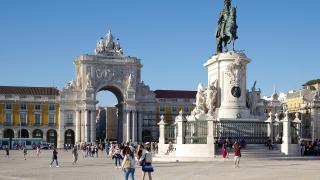
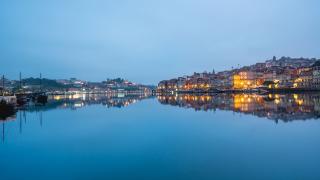
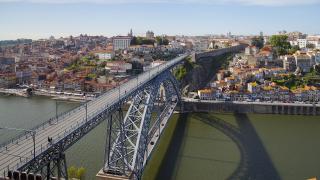
Portuguese urban hotels often occupy historic buildings. These structures lack modern elevators. Guests must navigate steep stairs to reach rooms. This constraint significantly impacts accessibility for travelers with mobility issues. Mid-range hotels in Lisbon and Porto typically cost between €80 and €150 per night. Prices fluctuate heavily based on seasonal demand. Summer months see rates increase by up to forty percent. Budget-conscious travelers should consider staying in Alfama or Miragaia. These neighborhoods offer better value than central tourist zones. Access to public transport remains excellent in these areas. Trams and metro lines connect lodging to major sights. Booking three months in advance secures lower rates. Last-minute bookings often result in premium pricing during peak season. Many hotels include breakfast in the nightly rate. This inclusion provides significant savings for daily expenses. Local tax laws require a city tax fee. This additional cost is usually paid directly at check-in. It varies slightly between Lisbon and Porto municipalities. Travelers should verify total costs before confirming reservations. Understanding these local nuances ensures a smoother stay.
Coastal and Resort Destinations
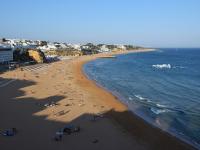
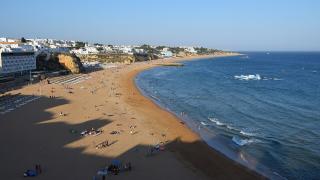
The Algarve features high-rise complexes in Albufeira. These offer standard amenities and sea views. Boutique hotels in Lagos provide historic charm. They occupy restored stone buildings near cliffs. Costa Vicentina hosts eco-lodges near beaches. These structures use sustainable materials and energy. Comporta offers luxury exclusivity in rural settings. Villas here require minimum stays of seven nights. Prices exceed €500 per night in peak season. Booking requires advance planning during July and August. Seasonal pricing varies significantly between regions. Winter rates drop by forty percent in the Algarve. Eco-lodges maintain consistent pricing year-round. Comporta remains expensive even in off-season months. Urban hotels lack these resort amenities. Coastal properties prioritize outdoor access and privacy. Guests should verify minimum stay policies before booking. High-rise options suit families seeking convenience. Boutique choices appeal to travelers valuing design. Eco-lodges attract visitors prioritizing sustainability. Luxury villas cater to high-budget groups. All coastal hotels face strict seasonal demand. Advance reservations are essential for availability.
Rural and Historic Stays
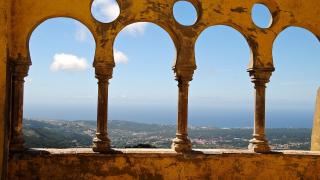
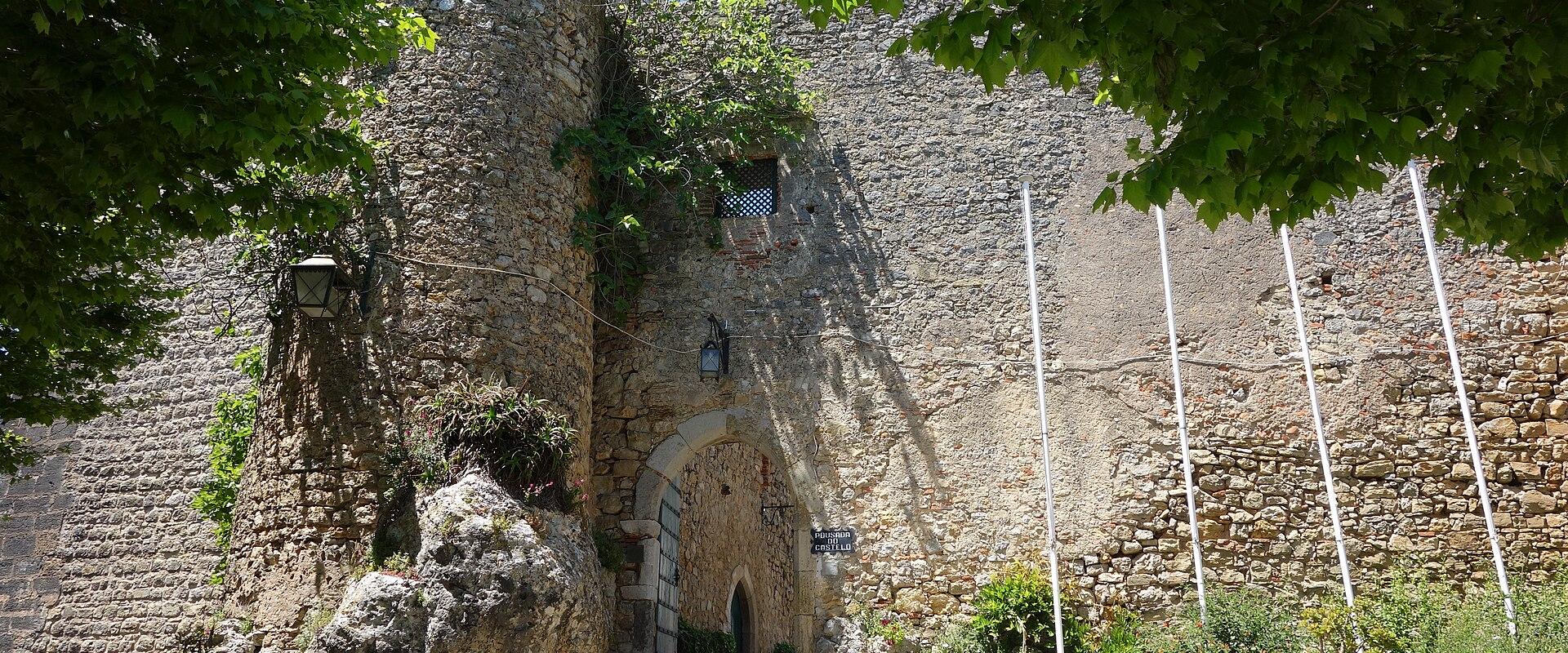
Portugal’s Turismo Rural category defines certified countryside accommodations. These properties convert traditional farmhouses and manors into lodging. The network emphasizes authentic rural architecture and local heritage. Many estates integrate wine tourism, particularly in the Douro Valley. Guests often stay in restored stone structures with vineyard views. Advance booking is essential during peak summer months. These hotels offer a quieter alternative to coastal resorts. Rates vary by season and property size. Basic amenities include breakfast and garden access. Higher-end options provide spa services and guided tours. The atmosphere remains peaceful and secluded. This sector supports rural economic development. Travelers seeking history find value in these converted estates. The experience connects visitors with Portugal’s agricultural past. Modern comforts blend with traditional design elements. This approach preserves cultural landmarks while offering hospitality. It appeals to travelers prioritizing authenticity over luxury chains.
Booking Strategies and Costs
Direct hotel bookings often waive the mandatory city tax, known as taxa de turismo. This fee varies by location and star rating. Online travel agencies (OTAs) may bundle this cost, obscuring the true price. Always verify if the nightly rate includes this local levy. For budget travelers, pensões offer affordable, basic lodging. These family-run guesthouses provide essential amenities at lower rates than standard hotels. Hostels in Lisbon and Porto also serve as viable alternatives. They reduce accommodation expenses significantly. However, consider transportation costs carefully. Staying in rural areas or smaller towns lowers nightly rates. Yet, frequent train or bus rides to major cities add up. Calculate total travel expenses, not just lodging. Savings on accommodation may vanish if daily transit costs rise. Prioritize locations near public transit hubs. This strategy balances low hotel prices with manageable commute times. Always compare direct booking totals against OTA quotes. Include all taxes and fees in your final calculation. This approach ensures accurate budgeting for your Portuguese stay.