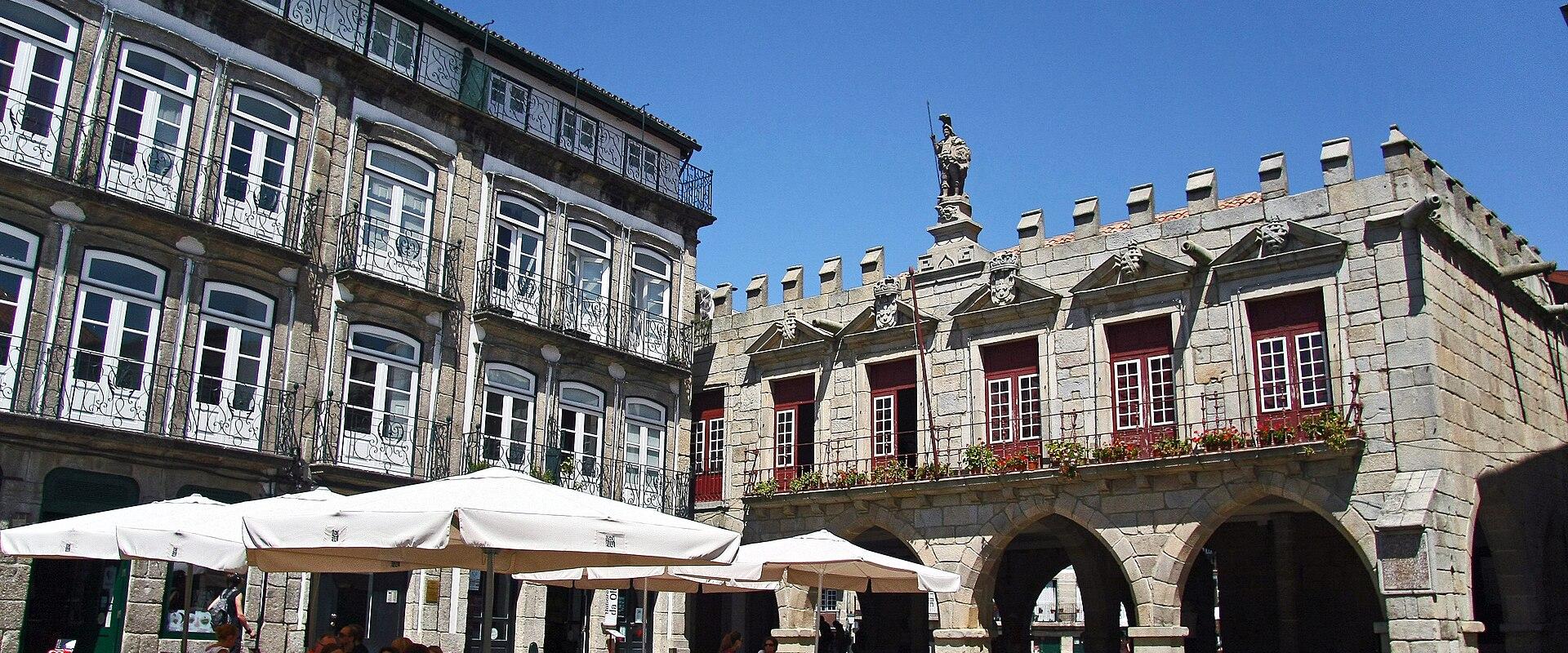
Guimarães holds a special place in Portuguese history as the cradle of the nation. It was here, in the 12th century, that Afonso Henriques, Portugal’s first king, was born and began the struggle for independence from the Kingdom of León. A decisive moment came in 1128 at the Battle of São Mamede, fought on the outskirts of the city, which secured his control of the county. The city’s motto, 'Aqui nasceu Portugal' ('Portugal was born here'), is proudly displayed in the historic center, which was inscribed as a UNESCO World Heritage Site in 2001 for its remarkable preservation and architectural harmony.
The center of Guimarães is its medieval old town, a labyrinth of narrow lanes, granite houses and lively squares such as Largo da Oliveira and Largo do Toural. In Largo da Oliveira stands a Gothic canopy commemorating a fourteenth-century battle, and café terraces fill the square on sunny days. The Castle of Guimarães, perched on a hilltop, is a symbol of the city’s origins and offers panoramic views over the rooftops and surrounding countryside; a statue of Afonso Henriques watches over the grounds. Nearby, the Palace of the Dukes of Braganza is a 15th-century manor with grand halls, period furnishings and a fascinating collection of tapestries and armor. Its tall brick chimneys give it a look that is unusual for northern Portugal.
Religious heritage is evident in the city’s many churches, including the Romanesque Church of São Miguel do Castelo, where Afonso Henriques was baptized, and the Igreja de Nossa Senhora da Oliveira, with its impressive cloister and medieval tower. The Alberto Sampaio Museum holds mainly religious art of the 12th to 16th centuries and the Vila Flor Cultural Center is a performing arts venue with a gallery, while the city’s vibrant café culture and artisan shops invite leisurely exploration. Local convent sweets such as toucinho do céu, a dense almond and egg-yolk cake, are sold in the pastry shops.
Guimarães is also known for its lively festivals and events, such as the Festas Gualterianas in August, which fill the streets with parades, music and traditional celebrations. The city’s culinary scene features Minho specialties like rojões (pork stew), bacalhau (cod) and the region’s signature vinho verde wine. Restaurants range from simple tascas serving traditional dishes to modern kitchens reinterpreting them.
Outdoor enthusiasts can explore the surrounding hills and parks, with hiking trails leading to scenic viewpoints and ancient monuments. The Penha Mountain, accessible by cable car, offers panoramic vistas and peaceful woodland walks. Day trips to nearby Braga, the Douro Valley or the Peneda-Gerês National Park are easily arranged, and the Iron Age hillfort of Citânia de Briteiros lies a short drive away.
Getting to Guimarães is convenient, with frequent trains and buses from Porto (about 1 hour) and other northern cities. The city is compact and walkable, with most attractions located within the historic center. Accommodation ranges from boutique hotels in restored mansions to modern guesthouses and apartments.
The best time to visit Guimarães is from April to October, when the weather is mild and suited to exploring the city’s outdoor attractions and festivals. Spring and early autumn offer pleasant temperatures and fewer crowds, while summer brings lively events and long, sunny days. For history, architecture and vibrant local culture, Guimarães offers a memorable and authentic Portuguese experience.
Best time to visit
April to October offers mild, pleasant weather for exploring Guimarães’ medieval center, castle, and outdoor attractions; spring and autumn are especially ideal.
What to see in Guimarães
Our picks first.
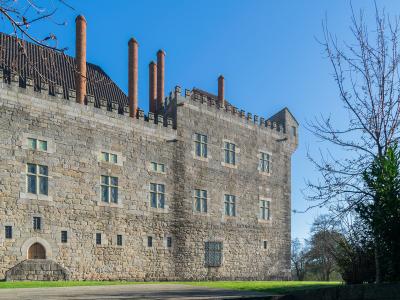
Paço dos Duques de Bragança
The 15th-century palace of the first Duke of Bragança, rebuilt 1937–1959
From €10 History & Heritage · Museums
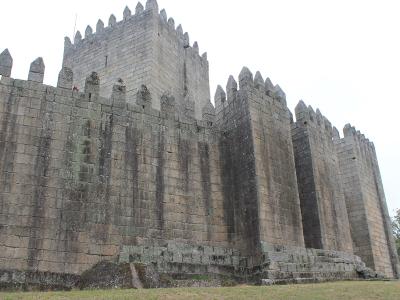
Guimarães Castle (Castelo de Guimarães)
The 10th-century hilltop castle tied to Portugal's founding
From €5 History & Heritage · Castles
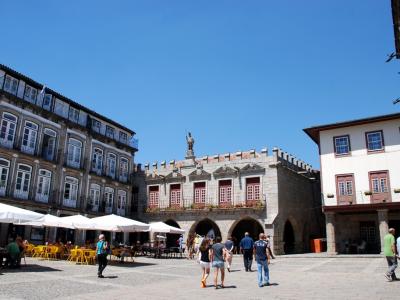
Historic Center Of Guimarães
Birthplace of Portugal with medieval landmarks
History & Heritage · Urban Exploration
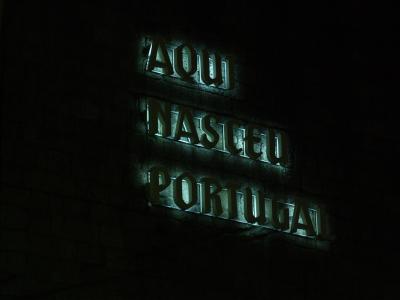
Aqui Nasceu Portugal inscription
Birthplace of Portugal in historic Guimarães
History & Heritage · Urban Exploration
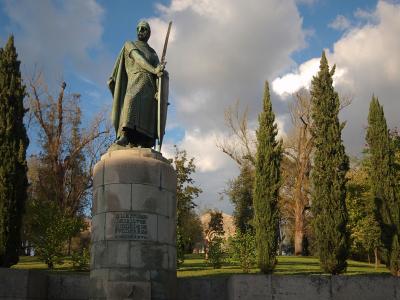
Statue Of Afonso Henriques At Guimarães Castle
Statue of Portugal’s first king at Guimarães Castle
Cultural Experiences · History & Heritage
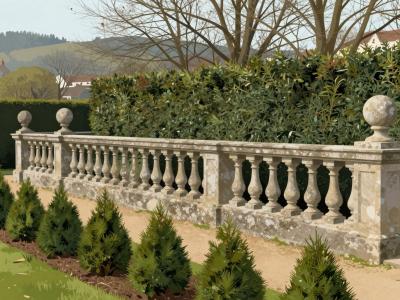
Vila Flor Cultural Center
Multifunctional cultural hub in Guimarães
Cultural Experiences · History & Heritage
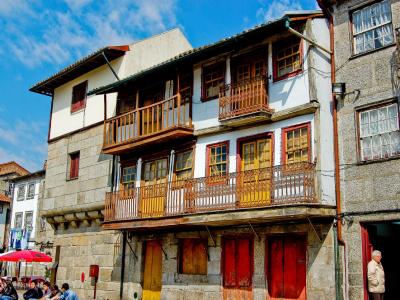
Medieval Squares Of Guimarães
Medieval squares at Guimarães’ historic center
Cultural Experiences · History & Heritage
Guimarães by interest
The same sights, grouped by what you came for.
Did you know?
Checked facts about Guimarães, each with its source.
-
History
A Guimarães Wall Proclaims 'Aqui Nasceu Portugal'
Guimarães calls itself the cradle of Portugal, home of the counts whose son Afonso Henriques became the first king. Since the 1960s the old Customs Tower (Torre da Alfândega), a surviving stretch of the medieval wall, has carried the inscription 'Aqui Nasceu Portugal' ('Portugal was born here').
Source: Eixo Atlântico (Vive)
Planning a visit to Guimarães
Itineraries that include Guimarães
Good to know
- Currency
- EUR
- Language
- Portuguese
Quick Facts
Book your stay
Questions people ask
More places in Minho
Minho
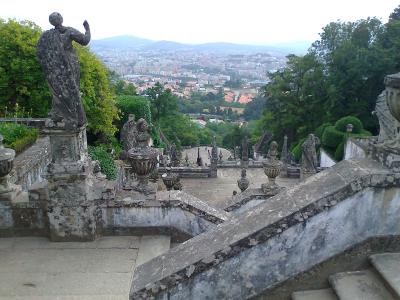
Braga
Portugal's ancient religious capital, with baroque stairways and a Roman past
Minho
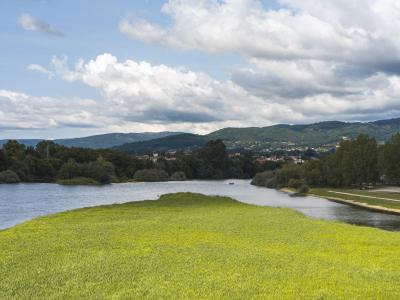
Ponte de Lima
Portugal’s oldest town with Roman bridge and riverside charm
Minho
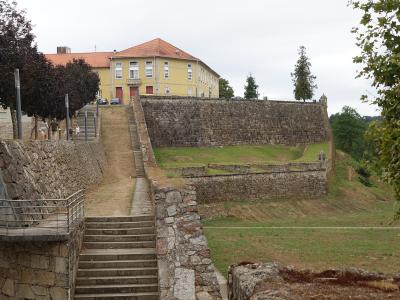
Monção
Border town with fortress, spa, and Alvarinho wine culture
Minho
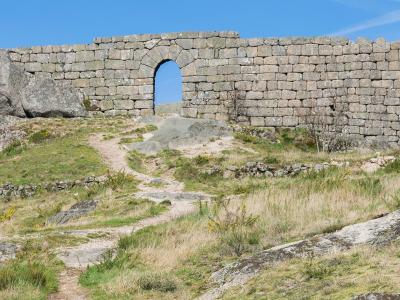
Castro Laboreiro
Mountain village with ancient castle and wild landscapes