Portugal is an easy country to stay well and safe in. What actually catches visitors out is mostly the Atlantic, summer wildfires, unstable cliffs and pickpockets on crowded trams, not disease or violent crime.
Numbers to keep in your phone
112 is the emergency number for ambulance, police and fire, and it is also how you report a wildfire. For non-urgent medical advice, Portugal's health lines are:
- Mainland: +351 808 24 24 24 (press 9 for English)
- Madeira and Porto Santo: +351 800 24 24 20
- Azores: +351 808 24 60 24
If you are referred to a clinic or hospital, contact your insurer or medical assistance company quickly.
The sea
People drown in Portugal every year, in the sea and in pools. The surf beaches of the Atlantic coast are the main hazard.
- Red flag: do not enter the water. Yellow flag: paddle at the water's edge only.
- On a beach with no lifeguards, flags or signs, take extra care and ask locally first.
- If a rip tide takes you, do not swim against it. Swim parallel to the shore until you are out of the current, then swim in.
- Do not dive into unknown water, and avoid beaches where a river runs into the sea.
- Keep small children within arm's reach.
Wildfires
The risk is higher from April to October, when it is hot and dry. Check the fire risk index for where you are staying (the national site is in Portuguese) and find out the local emergency procedure. Follow what the authorities tell you: they may evacuate areas and close roads. Starting a fire, even by accident, is illegal and can mean a fine or prison.
Cliffs
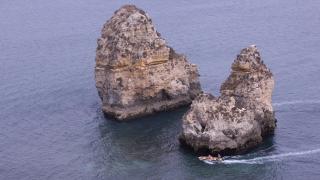
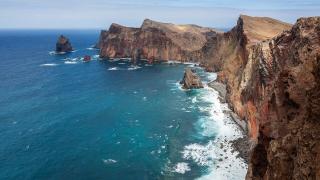
Falling rock is a hazard, particularly in the Algarve, where many of the most photographed beaches sit under soft cliffs. Keep clear of the base and the edge, and take warning signs seriously: you can be fined for ignoring them.
Crime
Street crime is the main thing to watch for, especially on public transport and at crowded bus and tram stops. Thieves often work in teams and use distraction. Do not carry all your valuables in one place, and keep a copy of your passport photo pages somewhere separate.
Police come in two forces: the PSP in cities and the GNR in smaller towns and rural areas. Attacks, including sexual assaults, are rare but do happen, most often late at night around nightlife areas. Stay with your friends, buy your own drinks and keep them in sight.
Health cover and insurance
Whether you need a card depends on your insurance status, not your citizenship. A European Health Insurance Card (EHIC) works for people insured in an EU country, Iceland, Liechtenstein, Norway or Switzerland, and UK visitors use a GHIC or EHIC. These cards cover medically necessary state healthcare.
They are not a substitute for travel insurance. They do not cover private clinics, non-urgent treatment, changed bookings or being flown home, so take out a policy that does. If you need a Schengen visa, travel medical insurance is part of the visa requirement. Visa-exempt tourists such as US citizens are not legally required to hold it, but it is still strongly advised.
Medicines and pharmacies
Most medicines are sold only in pharmacies, and Portugal strictly regulates some, including antibiotics. UK prescriptions are not recognised, and you should not assume that a prescription from elsewhere will be accepted either. So bring enough for the whole trip in the original container with the label, and keep a few days' supply in your hand luggage.
Vaccinations, food and water
The CDC recommends being up to date on routine vaccines, including measles, mumps and rubella, and advises hepatitis A for most travellers. Check about eight weeks before you travel. If you plan to hike in woodland, use repellent and check yourself for ticks afterwards.