





Whale-watching Trip In The Azores
World's largest whale sanctuary with 20+ species
The Azores have become one of the best places in the Atlantic to watch whales and dolphins, and the archipelago is often described as a whale sanctuary. More than twenty species of cetaceans have been recorded in its waters, some resident throughout the year and others passing through on migration, and the sea around the islands is deep, cold, and rich in food. Because the islands rise steeply from the ocean floor, animals that live far offshore elsewhere can be found within a few kilometres of the coast.
The islands have a complicated relationship with the animals. Whaling was a significant industry in the 19th and 20th centuries, and it continued until the early 1980s, with small open boats chasing sperm whales from the shore. When the hunt ended, former whalers became guides, boat skippers, and lookouts, and the same knowledge of the sea was put to use for tourism. Old lookout towers on the hills, the vigias, are used to spot animals and radio boats, which is why the trips have a high rate of success.
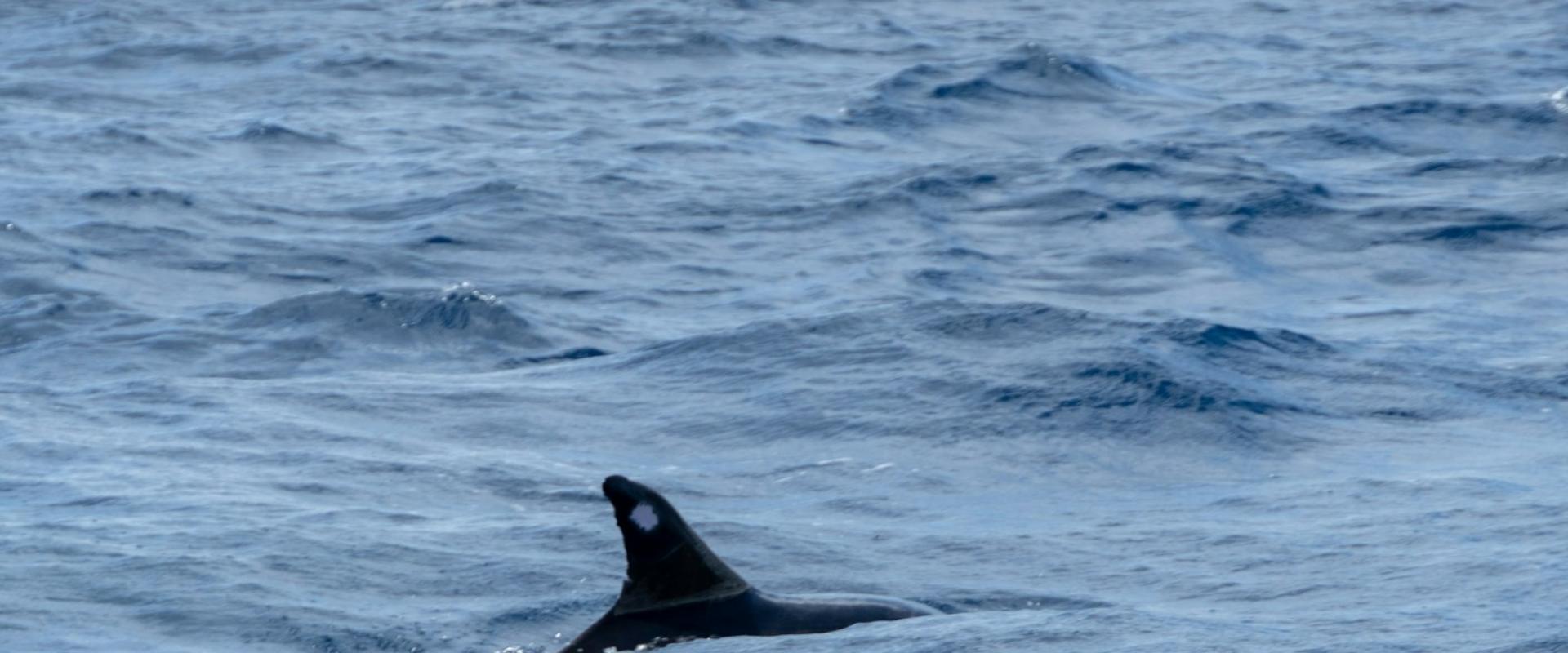
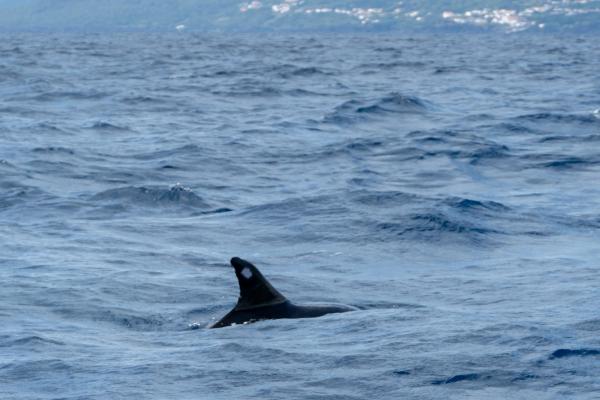
The species seen depend on the season. Sperm whales can be found throughout the year, and the largest of all animals, the blue whale, passes through in spring, usually from April to June. Fin whales, sei whales, and Bryde's whales may also appear, along with large groups of dolphins, including common, bottlenose, striped, and spotted dolphins, which often ride the bow wave of the boats. Sightings cannot be guaranteed, but experienced operators know where to look.
Trips run from several bases. On São Miguel, boats leave from Ponta Delgada and Vila Franca do Campo, and on Faial, from Horta, with other islands offering trips too. Options include larger catamarans, with a stable platform and more comfort, and smaller inflatable boats, which are faster and closer to the water. Trips usually last between two and four hours. All licensed operators follow rules on distance and time spent near the animals, to avoid disturbing them.
The sea can be rough, so those prone to motion sickness should take precautions, and warm, waterproof clothing is essential, even in summer. Booking ahead is wise. The experience suits nature lovers, families with older children, and photographers, and it is among the most memorable parts of a visit to the Azores.
Categories
More photos coming soon
Nearby Attractions
Other places to visit in Açores

Frequently Asked Questions
Quick Facts
Best Time to Visit
Late spring to early autumn (May–October) offers mild weather, lush scenery, and optimal conditions for hiking, whale watching, and exploring the Açores.