


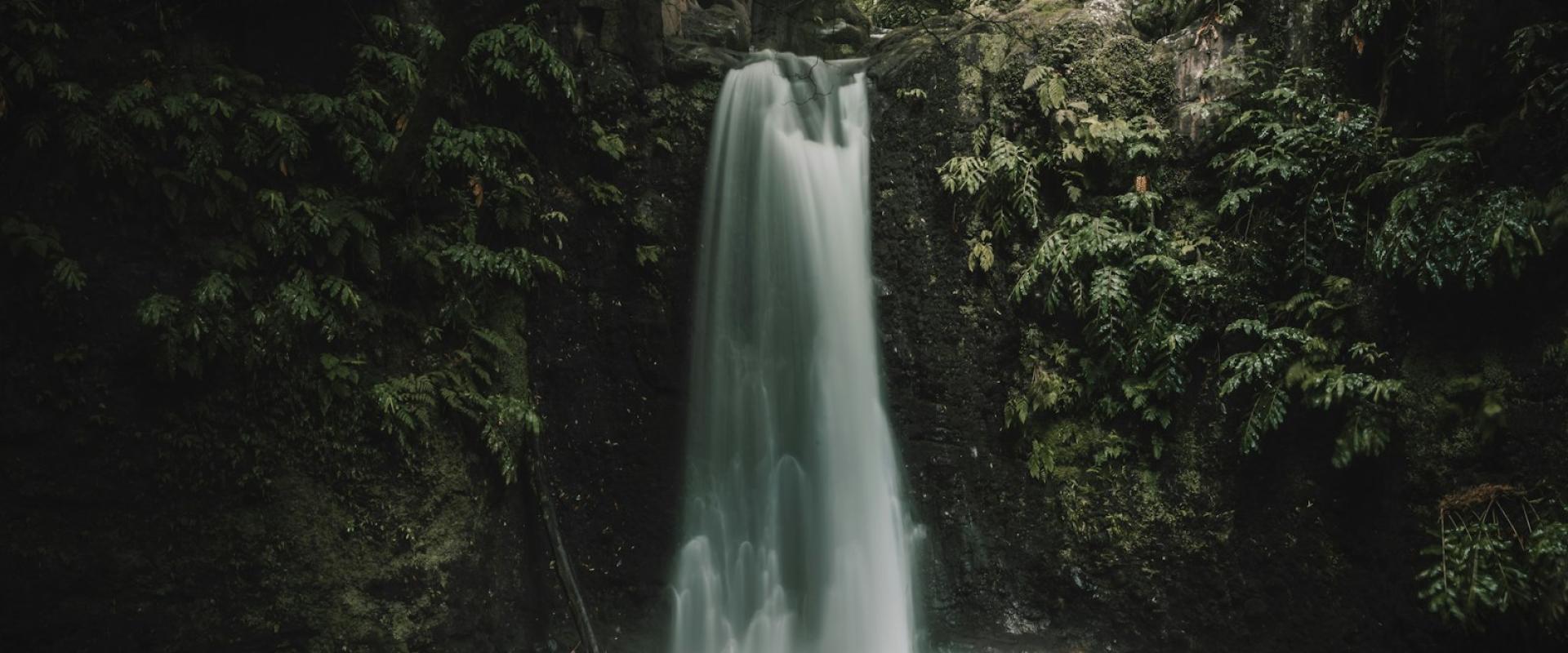
Hidden Waterfalls In The Azores
Secluded waterfalls amid São Miguel’s lush landscapes
The Azores are among the wettest, greenest places in Europe, and water runs down nearly every slope. Rain falling on the volcanic peaks and crater rims drains through deep gorges, and many streams drop over cliffs and lava ledges on their way to the sea. The result is a profusion of waterfalls, large and small, many of them tucked away in forest or valley where they are reached only on foot, and where you may well find yourself alone. The word you will see on signs is cascata or salto, and both mean waterfall.
São Miguel, the largest island, has a good number within reach of Ponta Delgada. In the northeast, around Nordeste, a trail from the village of Faial da Terra leads to the Salto do Prego, a waterfall in a green valley. The Ribeira dos Caldeirões, also in the northeast, is a natural park where a stream plunges over a series of falls beside old watermills, with paths, picnic tables and well-kept grounds, making it one of the easiest places to see falling water. On the north coast near Ribeira Grande, the Caldeira Velha combines a waterfall with warm thermal pools in a jungle-like setting.
Other islands compete for the title of the island of waterfalls. Flores, the westernmost island, is the most famous, with dozens of falls dropping into volcanic lakes and the sea, among them the Poço do Bacalhau and the Poço da Ribeira do Ferreiro near the village of Fajã Grande. The scale there can be tremendous, with ribbons of water pouring over cliffs hundreds of feet high after rain. São Jorge, Faial and Terceira also have falls tucked into their folds and gorges.
A few tips will help. The best time is after rain, when flow is strongest, though trails can be muddy and slippery, so wear boots with a good grip. Waterproof jackets are essential, since the weather changes quickly. Swimming is possible in some pools, but the water is cold, and care is needed on wet rock, particularly near the edge of a fall. Do not rely on mobile signal in remote valleys, and tell someone where you are going. Entry to most sites is free and open at all hours, but a few, such as those in managed parks, may have set hours.
Reaching many falls requires a car, since public transport is limited, and rental cars are easy to arrange in Ponta Delgada. A guided tour is a good alternative, and local guides know the less obvious spots. Take your time, and combine the falls with other sights such as the crater lakes, the hot springs of Furnas and the tea plantations. The experience suits hikers, photographers and anyone who enjoys wild, green scenery.
Categories
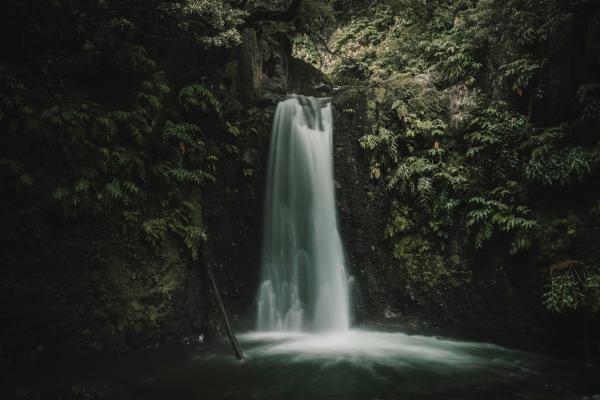
More photos coming soon
Nearby Attractions
Other places to visit in Açores
Frequently Asked Questions
Quick Facts
Best Time to Visit
Late spring to early autumn (May–October) offers mild weather, lush scenery, and optimal conditions for hiking, whale watching, and exploring the Açores.