
Azores Beaches And Warm Ocean
Volcanic beaches with mild Atlantic waters
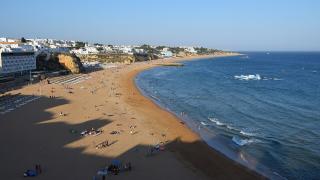
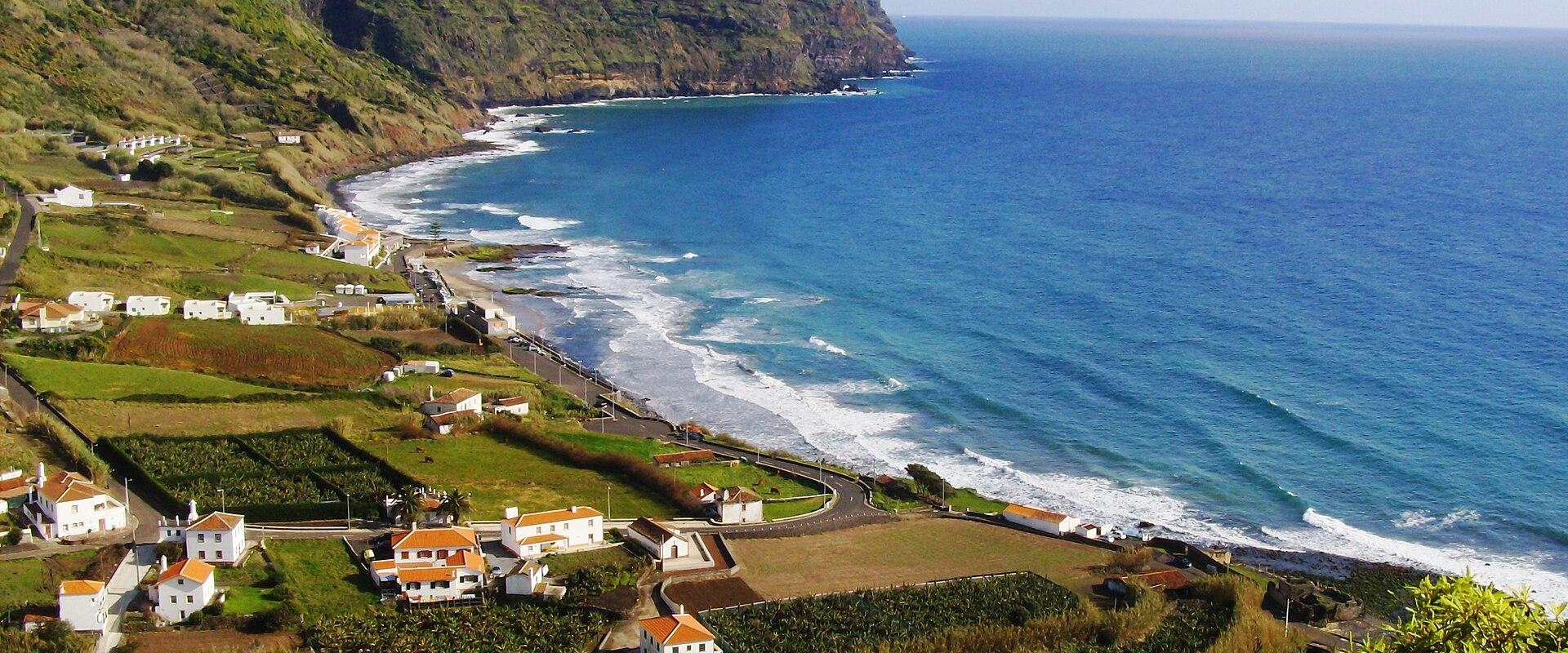
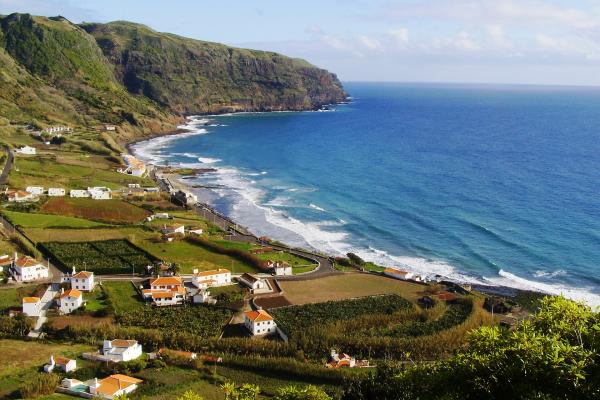
Beaches in the Azores are different from those of the mainland. The islands are volcanic, so the shores are mostly black rock, boulders, and dark sand, with golden sand found in a few places, notably on the island of Santa Maria. The beaches are small and often sheltered in coves or at the foot of cliffs, and many are backed by green slopes covered in hydrangeas and pasture rather than by dunes or hotels. The effect is dramatic and quiet, and a day at the beach here feels closer to nature than at a big resort.
The ocean is cooler than the tropics but milder than the mainland's western coast. In winter the sea temperature stays around sixteen to seventeen degrees, and in late summer it reaches twenty-two to twenty-four degrees, warm enough for comfortable swimming, helped by the warm waters of the Atlantic currents. The best season for swimming is from July to September, when the weather is also most settled, though showers and clouds can appear at any time. The Atlantic can also be rough, so beaches in exposed places are best on calm days, and lifeguards are present at many beaches in the summer.
São Miguel has a variety of beaches. Praia do Populo, close to Ponta Delgada, is a popular local beach with fine dark sand, lifeguards, and a lively atmosphere in summer, and it is easy to reach from the capital. On the north coast, Santa Bárbara is a surfing beach with long waves and black sand. At Mosteiros, in the west, a beach with black sand lies beneath cliffs, facing small rock islets, and natural pools next to the sea offer sheltered bathing. On other islands, Porto Pim in Horta, on Faial, has a calm, sandy bay in the shelter of a headland, and Praia Formosa on Santa Maria has a long, pale beach with clear water, one of the best in the archipelago. Natural lava pools, enlarged and equipped with steps in many places, offer safe swimming.
Practical points matter. Some beaches have few facilities, and the rocks can be sharp, so water shoes are useful. Sea urchins may live among the stones. Parking is limited at the smaller coves. Sun protection is needed, because the clouds can disguise the strength of the sun.
The beaches suit families, swimmers, surfers, and photographers, and they provide a pleasant counterpoint to hiking, whale watching, and sightseeing.
Categories
More photos coming soon
Nearby Attractions
Other places to visit in Açores
Frequently Asked Questions
Quick Facts
Best Time to Visit
Late spring to early autumn (May–October) offers mild weather, lush scenery, and optimal conditions for hiking, whale watching, and exploring the Açores.