Alqueva Lake
Medieval hilltop village overlooking Europe's largest art...
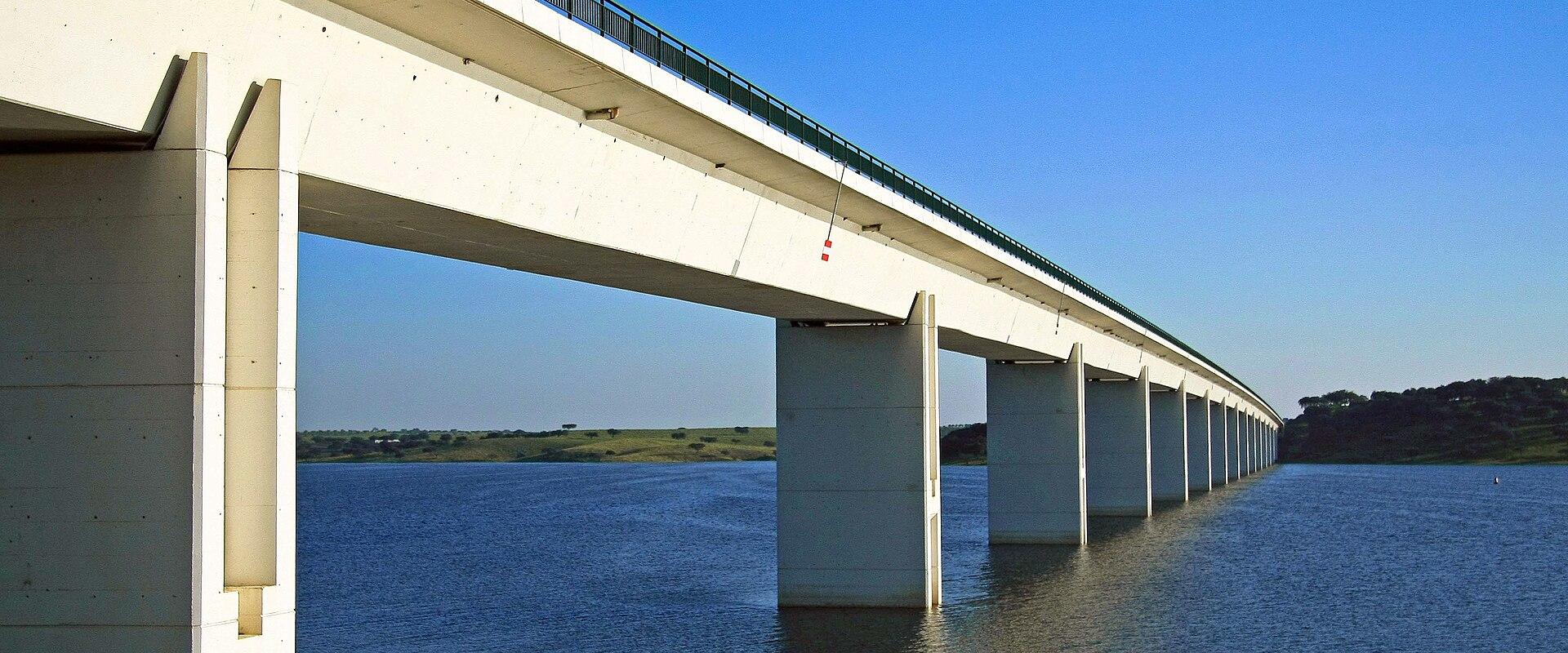
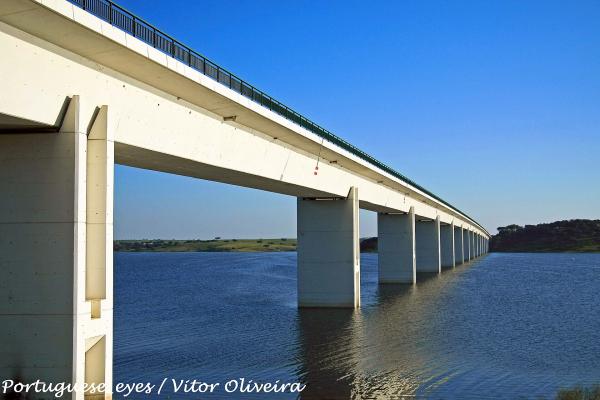
Alqueva is the largest artificial lake in western Europe, and it has changed the landscape of the southern Alentejo. The reservoir was created by a dam on the Guadiana river, near the village of Alqueva, which closed its gates in 2002. The water backs up for around eighty kilometres across five municipalities, covering about two hundred and fifty square kilometres, with a shoreline of more than a thousand kilometres full of inlets and bays, so that in a region of dry plains and hills it has produced a huge lake with islands and creeks. The dam is about ninety metres high, and it supplies water for irrigation, drinking, and hydroelectric power.
The creation of the lake had a human cost as well as benefits. The old village of Luz, in the valley, was in the area to be flooded, and its inhabitants were moved to a new village built on higher ground, while the old houses and church lay under the rising water. Archaeological sites and farmland were also submerged, though many remains were studied or moved first. A museum in the new village tells the story of the village and the valley before the dam.
Today the lake is a place for recreation. Sailing, canoeing, kayaking, water skiing, wakeboarding, and fishing are all possible, and boat trips of various kinds leave from piers around the lake. Houseboats can be rented for holidays on the water, and small river beaches, with grass, sand, and shallow water, offer swimming in summer. Birdwatchers find the lake and its margins attractive for waterfowl, storks, and raptors. The shoreline is lined with olive groves, cork oaks, and vineyards, and the wine estates in the area offer tastings.
The lake also lies at the centre of a region noted for its dark skies. The low population and absence of large towns have made the area one of the best places in Europe for stargazing, and it has been certified as a dark-sky destination, with observation sessions and stargazing tours organised in several places.
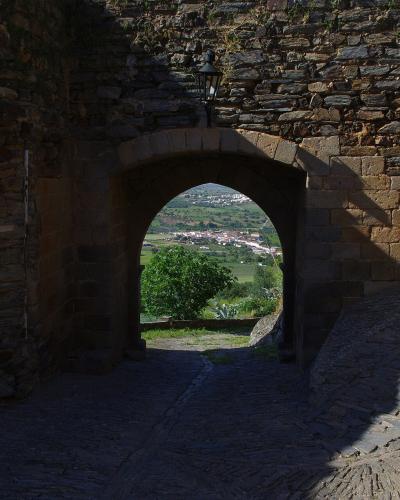
The best view is from the hilltop village of Monsaraz, whose castle and walls look out over the water and the plain beyond. From the ramparts, the lake stretches to the horizon, and the colours at sunset are spectacular. A visit to the village and the lake can be combined in one day, and the lake is accessible from many points.
The lake suits families, water sports fans, birdwatchers, and stargazers. Summers are very hot, and spring and autumn are more comfortable for walking.
Categories
More photos coming soon
Hours & Fees
Hours
Castle open 24 hours; lake access is open.
Admission
Free access to outer courtyards
Nearby Attractions
Other places to visit in Monsaraz
Frequently Asked Questions
Quick Facts
Best Time to Visit
Spring (March-May) and autumn (September-October) offer warm, pleasant weather and lush landscapes for exploring Monsaraz’s medieval streets and lake views.