



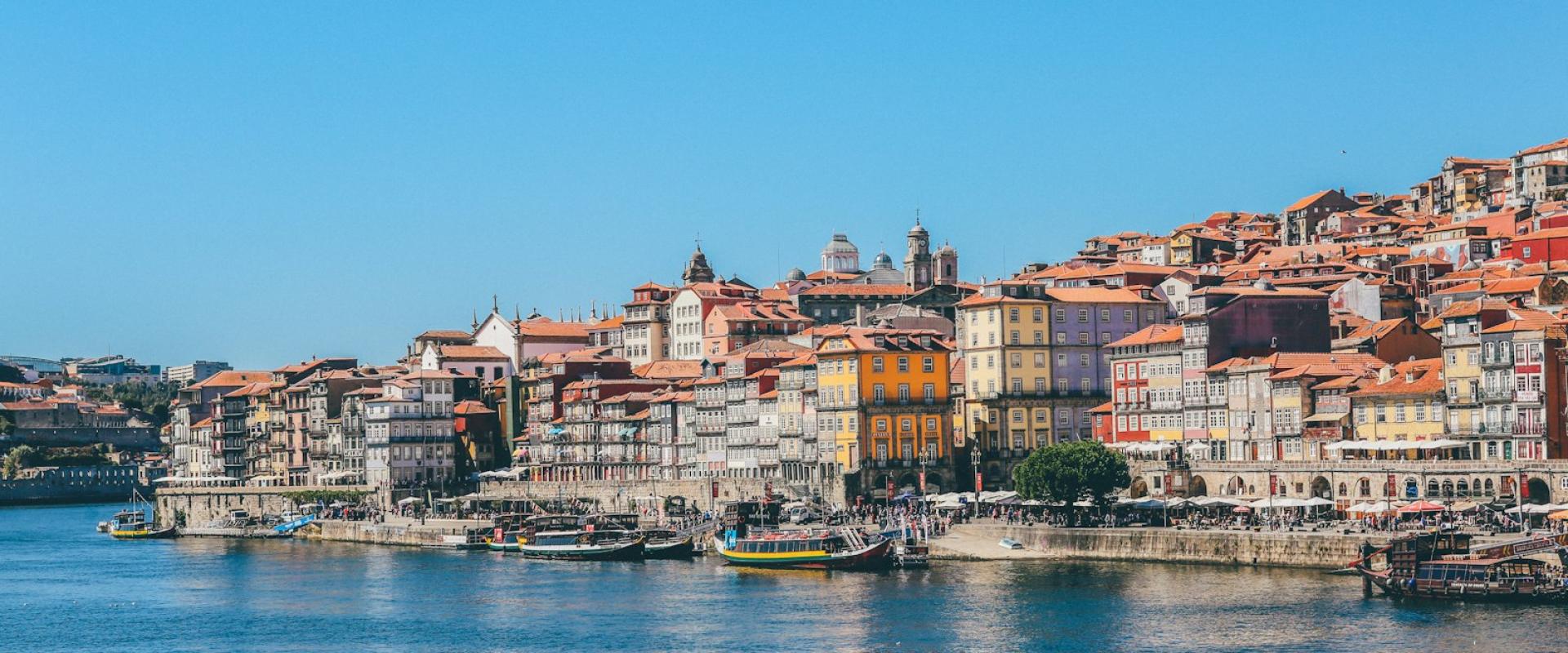
Portugal’s historic streets feature uneven cobblestones, known locally as calçada portuguesa. These surfaces become extremely slippery when wet. Heels and thin-soled shoes pose significant safety risks on these paths. You must avoid flat sandals or dress shoes with smooth soles. Pack two pairs of sturdy walking shoes for your trip. Choose footwear with thick, non-slip rubber soles for maximum grip. Good traction is essential for navigating hilly terrain safely. Comfortable walking shoes should be your primary choice for day exploration. They provide necessary support for long distances on hard stone. Bring versatile options that transition easily from day to evening. Leather sneakers or supportive loafers work well for dinner outings. Avoid packing multiple pairs of high heels or delicate flats. Your feet will suffer on the uneven, slippery pavement. Prioritize function over fashion when selecting your footwear. Sturdy shoes prevent ankle injuries on unpredictable cobblestone surfaces. Ensure all shoes are broken in before arrival. This preparation ensures comfort during extensive sightseeing tours. Proper footwear is a critical component of your packing list. It directly impacts your ability to explore Portugal safely.
Layering for Coastal Climates
Portugal’s coastal climate demands strategic layering. Temperatures shift rapidly between the north and south. Pack a lightweight, hooded rain jacket for frequent showers. Umbrellas are impractical due to wind and portability issues. This jacket provides essential protection against sudden rain. Use breathable layers to adapt to daily temperature changes. Cotton and linen fabrics work well for warm days. Bring sunglasses and sunscreen for intense coastal UV exposure. The sun remains strong even during rainy periods. Protect your eyes and skin from harsh rays. Choose items that pack easily into a carry-on. This approach avoids transport issues and saves space. You can use saved space for souvenirs like port wine. Ensure your outerwear dries quickly after wet spells. Layering allows you to adjust to microclimates. Coastal areas often experience fog and dampness. A hooded jacket handles both rain and wind. Avoid heavy coats unless visiting mountainous regions. Focus on versatile pieces for the coast. This strategy keeps you comfortable in variable weather. Prioritize functionality over style for outdoor activities. Quick-dry materials are ideal for humid conditions. This packing method suits the entire Portuguese coastline.
Respecting Sacred Spaces
Portugal’s religious sites enforce strict modesty codes. Visitors must cover shoulders and knees at all times. This rule applies to all churches, monasteries, and cathedrals. Failure to comply results in denied entry. Pack a lightweight scarf or shawl for easy adjustment. Choose breathable fabrics like cotton or linen. These materials suit Portugal’s warm climate while providing coverage. A long skirt or loose trousers work well. Avoid sleeveless tops and short shorts entirely. Modest, versatile clothing respects local traditions effectively. You can wear a t-shirt with a scarf draped over it. This method allows quick adaptation before entering sacred grounds. Ensure your outfit covers the upper arms completely. Knee-length bottoms are the minimum requirement for entry. Pack items that layer easily for changing temperatures. This approach balances comfort with cultural respect. Do not rely on rental cover-ups at sites. They are often unavailable or unsanitary. Bring your own solution for consistent compliance. This practice ensures a smooth, respectful visit to Portugal’s spiritual heritage.
Smart Luggage Strategies
Portugal’s historic accommodations often lack elevator access. Many older buildings feature narrow staircases and tiny hallways. You must navigate these with your luggage. Avoid checking bags to prevent transport delays and extra fees. Use only a carry-on suitcase and an under-seat bag. This strategy preserves space for souvenirs like port wine. Limited storage in historic rooms requires minimal packing. Utilize packing cubes to organize clothing efficiently. A secure daypack is essential for daily excursions. Cobblestone streets, or calçada portuguesa, make rolling heavy bags difficult. Thick-soled shoes with non-slip rubber soles are mandatory. Heels and thin soles pose safety risks on wet stones. Pack two pairs of comfortable walking shoes. Bring a lightweight, hooded rain jacket for frequent showers. Umbrellas are impractical in crowded urban areas. Use a passport holder for safety in accommodations without safes. Credit cards with no foreign transaction fees simplify payments. Carry some cash for smaller vendors. This approach ensures mobility through Portugal’s unique infrastructure.
Essential Documents and Finance
Portugal requires a valid passport for entry. US, EU, and British citizens need no visa for stays up to 90 days. Keep physical copies of your passport separate from the original. Use a secure passport holder if your accommodation lacks a travel safe. This protects your identity while exploring historic districts. Financial transactions rely heavily on card payments. Select credit or debit cards with zero foreign transaction fees. Capital One is a recommended option for travelers. These cards save money on every purchase. However, cash remains essential for specific local interactions. Small vendors often reject card payments entirely. Street food stalls and rural markets prefer euros. You must carry physical cash for these transactions. Use cash specifically for tipping service staff. Tipping is customary but not mandatory. Small bills facilitate easier transactions in local shops. Avoid relying solely on digital payments. Cobblestone streets and older infrastructure limit card terminal availability. Ensure you have accessible cash for these moments. This preparation prevents awkward situations during your trip. Proper documentation and mixed payment methods ensure smooth travel. Always verify passport expiration dates before departure. Validity must cover your entire stay duration.