Faro
Algarve capital with old town, beaches, and Ria Formosa lagoon
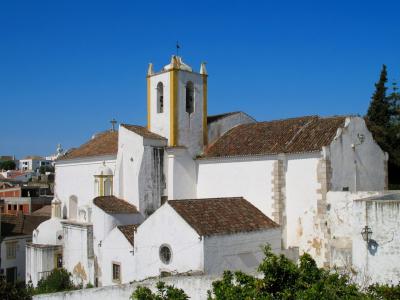
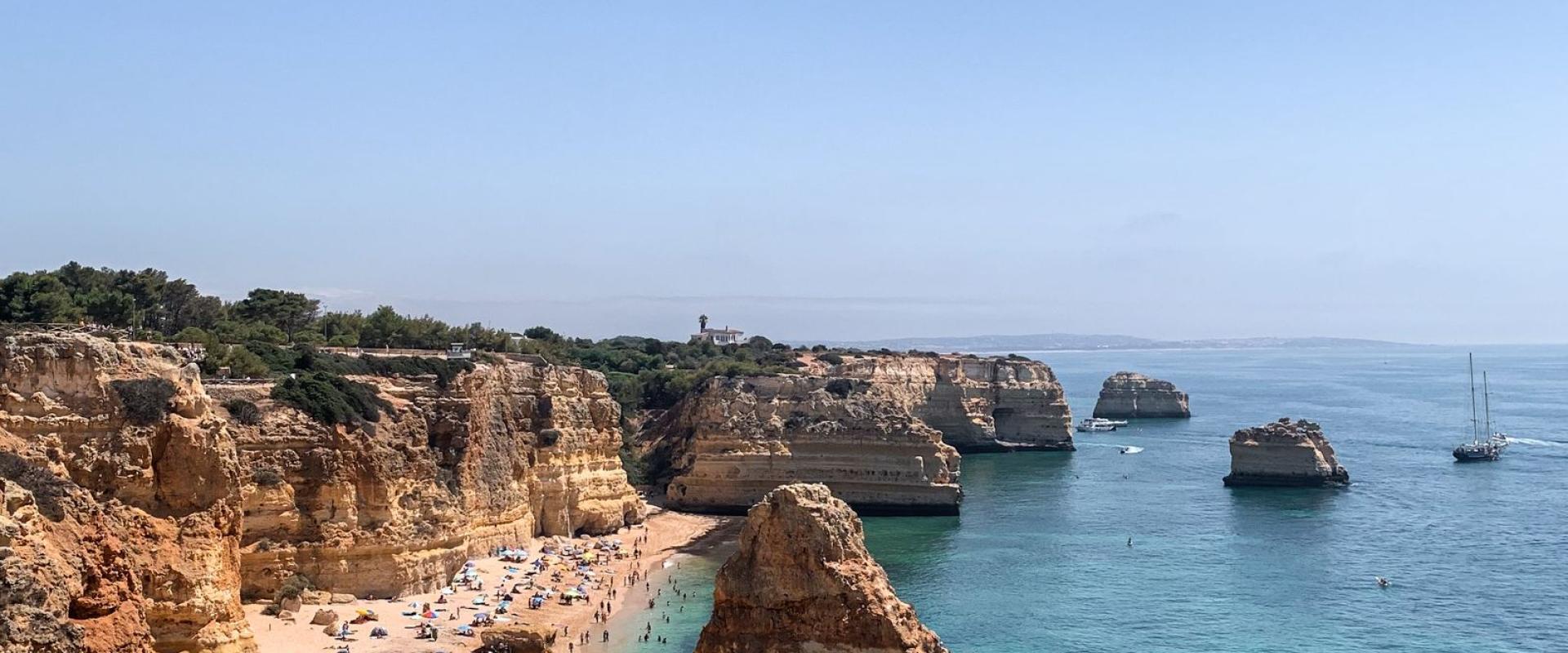
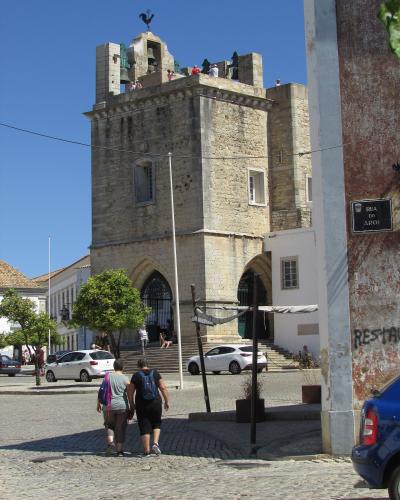
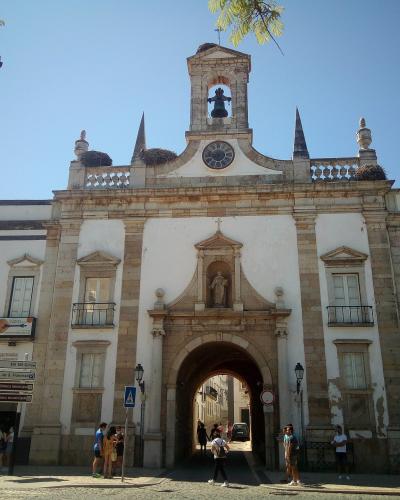
Faro’s history stretches back to Roman and Moorish times, when it was a strategic port and trading center. The city’s fortunes rose and fell with the tides of history, and the earthquake of 1755 destroyed much of it, but today it is a dynamic blend of old and new. The center of Faro is the Vila Adentro, a beautifully preserved old town encircled by ancient walls and accessible through the impressive Arco da Vila, a neoclassical gateway built after the earthquake. Inside, visitors can explore the 13th-century Faro Cathedral, climb its bell tower for panoramic views, and wander quiet squares lined with orange trees and traditional cafés. The cathedral combines Gothic, Renaissance and Baroque elements, and the view from the tower takes in the old town, the marina and the lagoon.
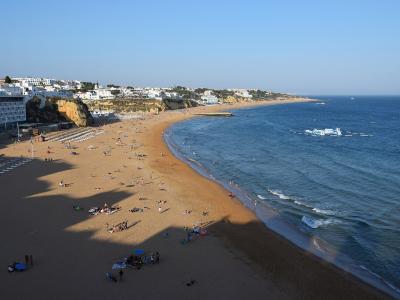
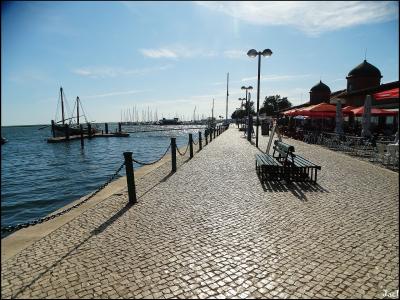
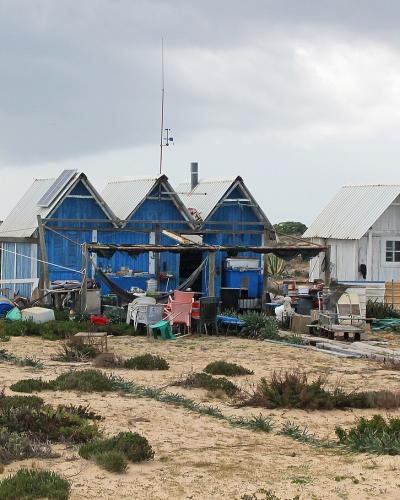
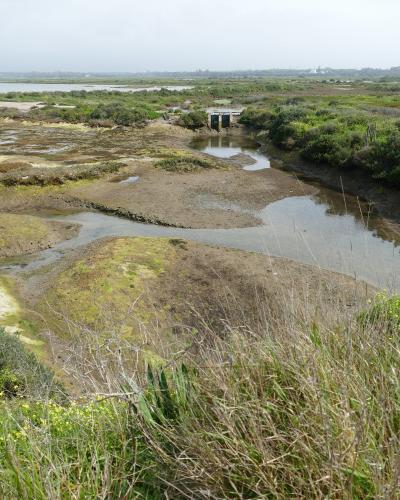
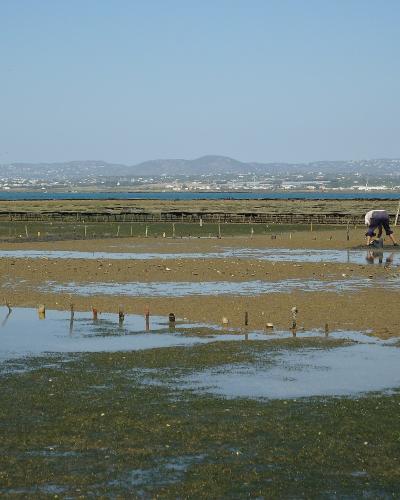
The city’s maritime heritage is evident at the bustling marina, where boats depart for the barrier islands of the Ria Formosa. This protected lagoon is a haven for birdwatchers and nature lovers, home to flamingos, spoonbills and a wealth of marine life. Boat tours offer access to pristine beaches on Ilha Deserta, Ilha da Culatra and Ilha do Farol, where visitors can swim, sunbathe and enjoy fresh seafood at beachside restaurants. Ilha Deserta, also known as Barreta, has almost no development apart from a single restaurant, and the lagoon is also the source of the clams and oysters that appear on local menus. The closest beach, Praia de Faro, can be reached by road, bus or on foot across a bridge near the airport.
Faro’s cultural scene is equally vibrant. The Municipal Museum, housed in a former convent, showcases archaeological finds and religious art, including a notable Roman mosaic, while the Bone Chapel in Igreja do Carmo offers a macabre yet fascinating glimpse into local traditions; its walls are lined with the skulls and bones of more than a thousand monks and townspeople. The city hosts regular festivals, open-air concerts and food markets, celebrating Algarvean music, crafts and cuisine. The local gastronomy features grilled fish, cataplana (seafood stew) and regional sweets such as Dom Rodrigos, small parcels of egg threads and almond wrapped in colored foil. The municipal market is a good place to see the day’s fish and local produce.
Outdoor activities abound in and around Faro. Cycling and walking trails wind through the Ria Formosa, while golf courses, water sports and boat rentals cater to active visitors. Kayaking among the channels and salt marshes is a quiet way to see the lagoon at close quarters. The city’s beaches are easily reached by ferry or bus, and the nearby towns of Olhão, Tavira and Loulé offer further opportunities for exploration.
Getting to Faro is straightforward, with the city served by Faro International Airport and frequent train and bus connections to Lisbon, Porto and other Algarve destinations. The airport is only a few kilometers from the center, so a stay can start within the hour of landing. The city is compact and walkable, with taxis, buses and bike rentals available for getting around. Accommodation options range from boutique hotels in historic buildings to modern resorts and guesthouses.
The best time to visit Faro is from late spring to early autumn (May to September), when the weather is warm and sunny, suited to beach trips, boat tours and outdoor dining. Spring and autumn offer pleasant temperatures and fewer crowds, while summer brings lively events and long, sun-filled days. Winters are mild and quieter, a relaxed time for a city break. For history, beaches and the natural wonders of the Ria Formosa, Faro offers a memorable Algarve experience.
Best Time to Visit
Late spring to early autumn (May–September) offers warm, sunny weather for beaches, boat tours, and exploring Faro’s historic and natural attractions.
Did you know?
Interesting, verified facts about Faro
Faro's Stolen Library Helped Stock Oxford's Bodleian
HistoryIn 1596, English forces under Robert Devereux, 2nd Earl of Essex, sacked and burned Faro on their return voyage from the raid on Cádiz. Among the loot was the library of the Bishop of Faro, Fernando Martins de Mascarenhas. Essex carried the books back to England and in 1600 donated some 200 of them to Thomas Bodley's newly founded library at Oxford — and volumes from Faro remain in the Bodleian's collection to this day.
Source: Wikipedia — Capture of CádizPlan Your Visit to Faro
Essential travel tips and information for your trip to Faro.
Suggested Itineraries
Travel Tips
Currency
EUR • Cards widely accepted
Language
Portuguese • English in tourist areas
WiFi
Free WiFi in cafes and hotels
Explore Faro by Interest
Discover attractions and experiences in Faro organized by your interests and travel preferences.


All attractions in Faro
Sorted by our recommendation score
Quick Facts
Book your stay
Frequently Asked Questions
More destinations in Algarve
Explore other amazing places in the Algarve region