





Vehicle Selection Strategy
Choose compact cars for Lisbon and Porto historic centers. Narrow streets require small vehicles. Book directly with providers like Sixt or Avis. Avoid third-party aggregators to simplify dispute resolution. Direct booking ensures clearer terms and support. Select automatic transmission if unfamiliar with manual gears. Check age restrictions before reserving your vehicle. Match vehicle size to your specific itinerary. Urban trips need smaller, agile cars. Rural itineraries may require sturdier models. Portuguese roads often feature steep, narrow lanes. Speed limits drop significantly outside major highways. Plan routes carefully to avoid traffic stress. Navigate with reliable apps and local knowledge. Always verify toll transponder costs in advance. Ensure your insurance covers local driving conditions. Prioritize safety and clear visibility at all times. This approach ensures a smooth, stress-free experience across Portugal's diverse landscapes.
Portugal uses an open-road toll system. Most highways lack physical booths. You pass through gates without stopping. The system records your license plate automatically. This is known as the Via Verde system. Most rental cars include a transponder for this. The transponder links to your credit card. You pay tolls automatically after your trip. This is the easiest option for renters. You avoid stopping at toll gates. It saves time and reduces stress. However, you can choose a different method. You may pay manually at toll stations. Look for lanes marked 'VIA VERDE' or 'SINCELO 24/7'. These lanes accept cash or cards. You must stop to pay the fee. This option is useful if you lack a transponder. It requires extra time at the gate. You must have local currency or a card. Choose the method that fits your needs. Always check your rental agreement details. Confirm how tolls are handled in your contract. This prevents unexpected charges later. Plan your route to avoid confusion. Know whether your car has automatic payment. This ensures a smooth driving experience. Portugal’s tolls are efficient and clear. Pay attention to signage on the road. Follow the instructions for your specific vehicle. This ensures a stress-free journey across the country. Always verify the payment method before driving. This is crucial for a smooth trip.
Urban Driving Dynamics
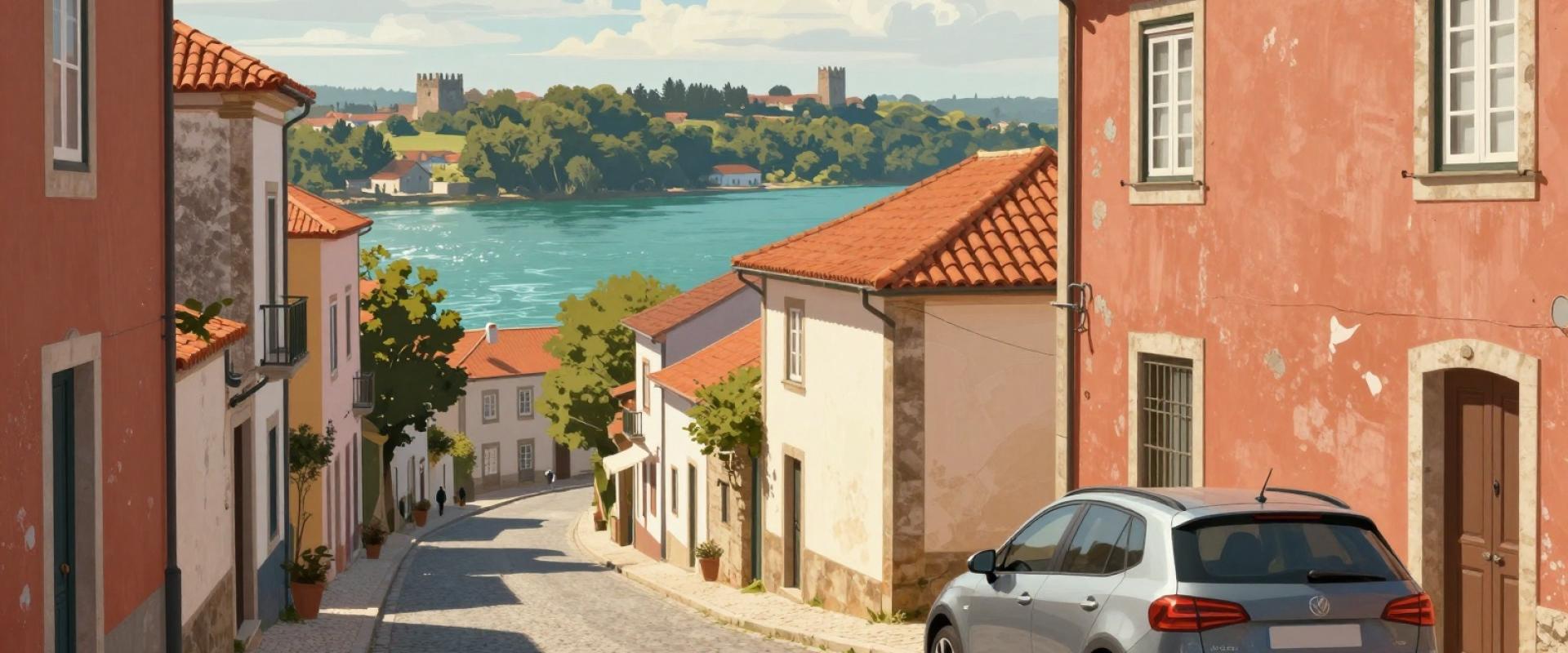
Historic centers feature steep, narrow, cobblestone streets. These conditions demand extreme caution. Steep gradients require careful gear selection. Narrow streets limit visibility for blind turns. Drivers must reduce speed significantly in urban zones. Local authorities enforce strict speed limits strictly. Pedestrian safety takes priority over vehicle flow. You must yield to pedestrians at all times. Cyclists also share these limited road spaces. Caution is essential when navigating tight corners. Sudden stops are common in historic districts. Drivers should anticipate sudden pedestrian crossings. The cobblestone surface affects vehicle stability. Sudden braking can cause loss of control. Always maintain a safe following distance. Be prepared for sudden changes in traffic flow. Local drivers may drive aggressively in tight spaces. Remain vigilant and adjust speed accordingly. Avoid rushing through narrow, historic streets. Patience is required for safe navigation. Always check for cyclists before turning. The combination of steep slopes and narrow roads requires heightened attention. Do not assume standard road rules apply. Local driving dynamics differ significantly from rural areas. Always prioritize pedestrian safety above all else.
Insurance and Liability
Portuguese rental contracts include basic third-party liability insurance. This mandatory coverage protects against damage to other parties. However, it excludes damage to the rented vehicle itself. You must pay a high excess fee for any damage. This deductible can cost several hundred euros. You should purchase additional coverage to reduce this risk. Optional Collision Damage Waiver (CDW) lowers the excess amount. Theft Protection is also available for added security. Note that standard policies often exclude tires, glass, and undercarriage damage. These exclusions remain even with basic CDW. Always inspect the vehicle thoroughly before driving away. Document any existing scratches or dents with photos. Ensure the rental agreement lists all pre-existing damage. This evidence protects you from unfair liability claims later. Verify that the insurance certificate is valid for Portugal. Check for specific exclusions regarding off-road driving. Confirm the excess amount in euros before signing.
Fuel and Parking Logistics
Fuel stations are abundant in urban centers like Lisbon and Porto. Rural areas, particularly in the interior, have sparse coverage. Plan refueling stops before entering remote regions. Keep the tank above half-full to avoid running out. Gas stations often close early in small towns. Parking in historic centers is extremely limited. Cobblestone streets restrict access for larger vehicles. Use designated parking garages (parques de estacionamento) instead. These structures are common near city centers. They offer secure, covered parking for rental cars. Street parking (zona azul) requires a paid ticket. Purchase tickets at nearby kiosks or via mobile apps. Pay attention to time restrictions on white lines. Blue lines indicate paid zones. White lines often indicate free, limited-time parking. Always check local signage for specific time limits. Ignoring these rules results in heavy fines. Plan parking stops in advance during peak hours. This strategy reduces stress and avoids parking violations. Always verify garage operating hours before arrival.