

Understanding Portuguese Quintas
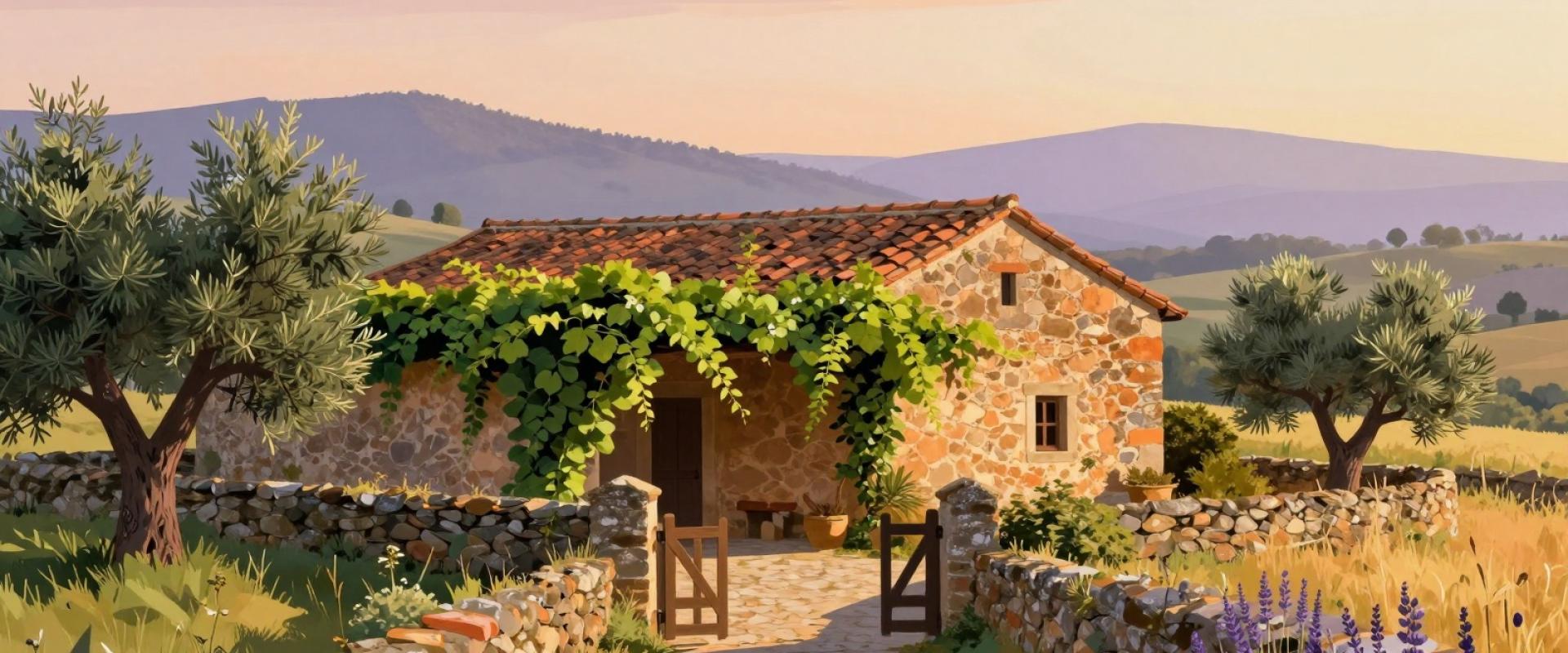
A quinta is a traditional Portuguese estate. It functions as a working farm or vineyard. These properties often include rural guesthouses. They offer an authentic alternative to urban hotels. The architecture uses local materials like stone and wood. This design blends structures into the natural landscape. Many quintas are family-run heritage sites. Owners maintain a direct connection to the land. Guests experience a slower, peaceful rhythm of life. Breakfasts feature homemade items from local ingredients. Shared wine conversations are common social activities. Specific locations include Douro Valley vineyards. Alentejo farmhouses provide distinct regional character. Serra da Estrela offers mountain lodge experiences. These stays emphasize genuine hospitality over polished service. Travelers find peace far from city noise. The environment encourages immersion in Portuguese culture. It is ideal for those seeking history. Visitors connect with nature and local traditions. This model supports sustainable rural tourism. It preserves architectural heritage for future generations. The experience focuses on meaningful interaction. It differs significantly from standard hotel chains. Guests engage directly with the property’s history. This creates a unique, grounded travel opportunity.
Regional Variations and Locations
Portuguese quintas vary significantly by region. Geography dictates the architectural style and primary activities available to guests.
Douro Valley Estate guesthouses integrate directly with vineyards. Visitors engage in wine tourism activities. Tastings often occur on-site. The landscape features steep terraced slopes. Accommodations prioritize views of the river.
Alentejo Large estates dominate this southern region. Properties frequently include cork oak forests. Whitewashed architecture reflects local building traditions. Guests experience expansive, flat landscapes. Agricultural production remains central to the stay.
Serra da Estrela Mountain lodges utilize local stone construction. These structures withstand cold winter climates. Outdoor activities focus on hiking and nature. The rugged terrain offers distinct seasonal experiences. Isolation provides quiet for rural travelers.
Minho Lush green valleys characterize this northern area. Quintas often surround agricultural orchards. The climate supports diverse crop growth. Stays emphasize fresh, local produce. Traditional farming methods remain visible.
Each region offers a distinct rural identity. Travelers select locations based on preferred terrain. Vineyard, forest, mountain, or valley settings define the experience. All options provide authentic Portuguese hospitality.
Accommodation Types and Amenities
Portuguese rural stays range from small cottages to large manor houses. These structures often sit within working farms or vineyards. Guests choose between self-catering units or bed-and-breakfast models. Self-catering options provide kitchen facilities for independent meal preparation. Bed-and-breakfast services typically include a morning meal. This breakfast features traditional Portuguese items like fresh bread and local cheese. Hosts often serve homemade jams and regional coffee. Modern amenities vary significantly by property location. Remote estates in Serra da Estrela may lack reliable Wi-Fi. Connectivity issues are common in isolated Alentejo farmhouses. 24-hour reception desks are rare in these settings. Staff availability is usually limited to daytime hours. Guests must manage check-in and check-out independently. Quiet hours are strictly enforced to preserve the peaceful atmosphere. Shared spaces like gardens encourage interaction with other travelers. Wine tasting is a common activity on Douro Valley estates. These experiences emphasize slow living over luxury services. Travelers should verify specific amenity availability before booking. Rural properties prioritize authenticity over standardized hotel comforts.
Transportation and Accessibility
Public transit rarely serves rural Portuguese quintas directly. You must plan your arrival carefully. Most estates require private transport for access. Renting a car is the standard recommendation. This allows flexibility for visiting local vineyards. Road conditions vary significantly across regions. Mountain lodges in Serra da Estrela often feature steep, narrow lanes. These roads may challenge inexperienced drivers. Parking constraints exist at many historic properties. Older buildings lack dedicated modern parking lots. You may need to park on nearby streets. Mobility accessibility presents significant challenges in these settings. Many quintas occupy centuries-old structures without elevators. Guests with limited mobility should verify access beforehand. Historic floors and uneven terrain are common. Direct communication with hosts is essential. Confirm specific entry requirements before booking. Ask about step-free access if needed. This ensures a suitable stay. Rural locations prioritize tranquility over convenience. You must accept logistical limitations. This trade-off defines the authentic Portuguese rural experience. Plan accordingly to avoid travel stress.
Booking Strategies and Seasonal Advice
Limited room counts in Portuguese quintas require early reservations. Book six months ahead for peak summer months. Direct contact with hosts often yields better rates. This approach allows for personalized service adjustments. Seasonal demand varies significantly across regions. Douro Valley estates fill quickly during harvest season. Alentejo farmhouses see high occupancy in spring. Serra da Estrela lodges attract winter visitors. Off-season stays offer lower prices and solitude. However, some amenities may close during winter. Check specific property policies before booking. Cancellation terms are often strict in rural areas. Flexibility is limited compared to city hotels. Verify meal inclusion details directly with the host. Local ingredients define breakfast offerings. Wine tastings depend on estate production cycles. Plan activities around available local services. Rural transport options are scarce. Ensure your itinerary accommodates limited public transit. Direct communication helps clarify these logistical constraints. Prioritize properties with clear cancellation policies. This reduces financial risk during uncertain travel periods. Authentic experiences require careful advance planning.