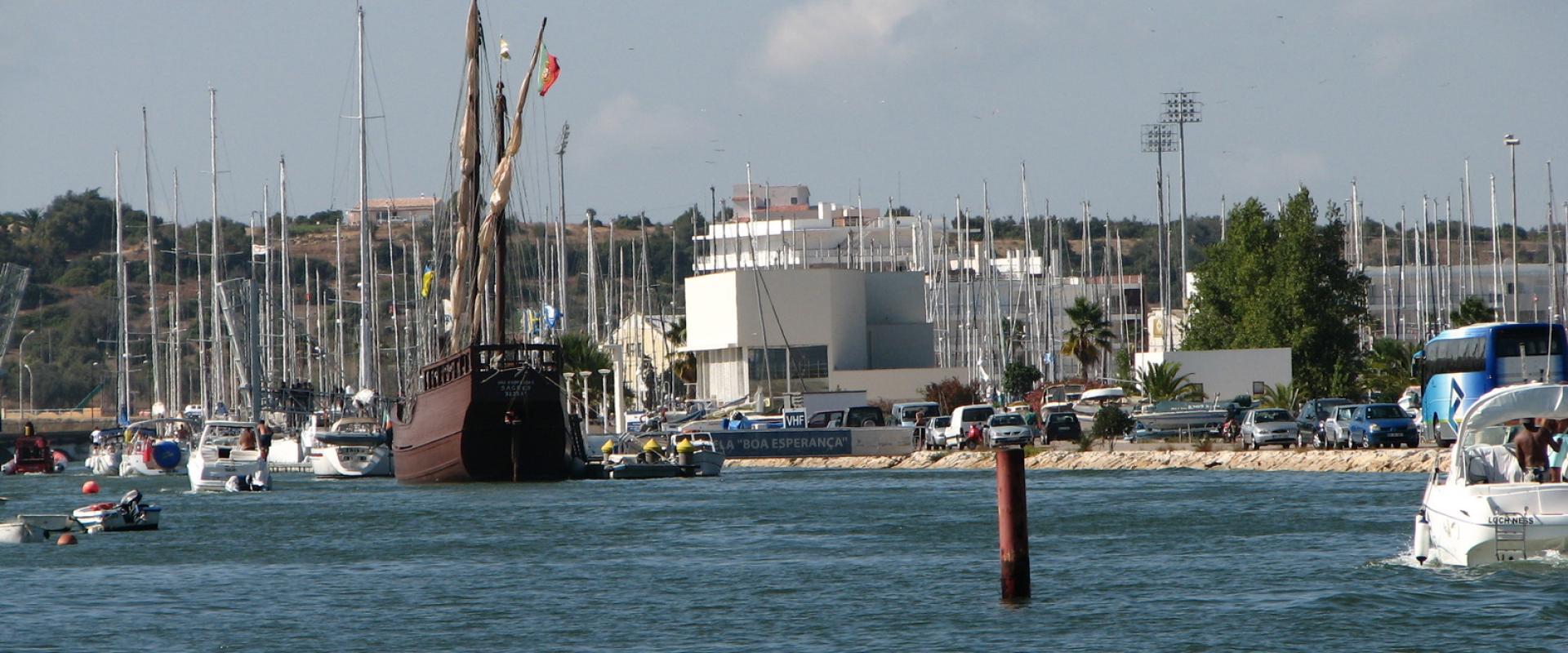
History: From Lacobriga to the Age of Discovery
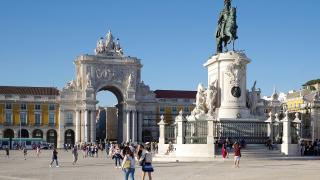
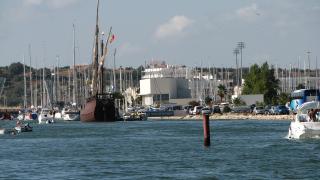
People have lived around the mouth of the Bensafrim river since ancient times. The Romans knew the settlement as Lacobriga, and under Moorish rule it was a fortified town on the edge of the sea. After the Christian reconquest of the Algarve in the thirteenth century, Lagos grew as a port, and in the fifteenth century it entered its most famous period. Prince Henry the Navigator, who lived at nearby Sagres, used Lagos as a base for the voyages that pushed Portuguese ships ever further down the coast of Africa. Gil Eanes, the captain who first sailed beyond Cape Bojador in 1434, is traditionally said to have been born here, and a statue of Henry looks out over the harbour from the square that bears his name.
The voyages had a dark side. In 1444 captives brought back from the West African coast were sold in Lagos, the first large public sale of enslaved Africans in Europe. The building traditionally identified with that market, beside the main square, now houses a museum on the slave trade, one of the few places in Portugal that addresses this history directly.
From 1577 Lagos served as the capital of the Algarve, until the great earthquake and tsunami of 1 November 1755 destroyed much of the town. The capital later moved to Faro. Much of what visitors see today, including the gilded interior of the Igreja de Santo António, was rebuilt after the disaster.
The Old Town
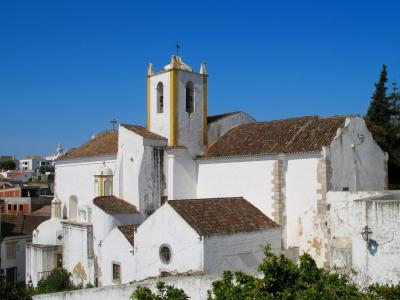
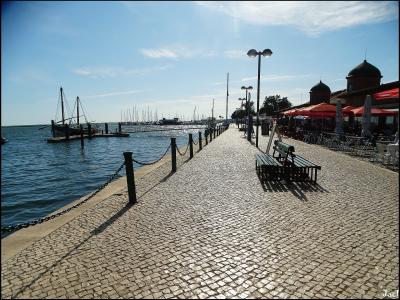
The heart of Lagos is still enclosed in part by its old walls, which run along the waterfront avenue and around the edge of the historic centre. Inside, narrow streets lead past tiled façades, small churches and café terraces to the Praça Gil Eanes and the Praça Infante D. Henrique. The Igreja de Santo António, with its lavish baroque woodwork, is one of the finest church interiors in the Algarve and is visited together with the adjoining municipal museum. At the harbour mouth, the small Forte da Ponta da Bandeira, built in the seventeenth century to guard the port, is the most photographed building in town.
Cliffs and Beaches
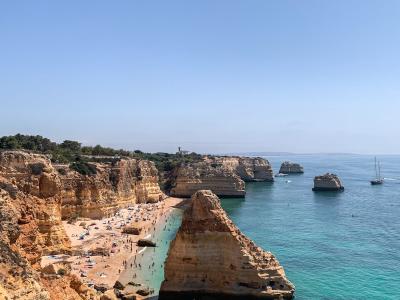
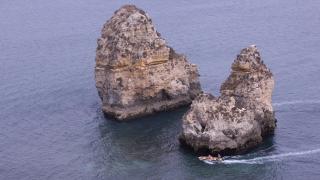
The coastline south of the town is the reason many people come. A clifftop path leads from the old town past Praia do Pinhão, Praia Dona Ana and Praia do Camilo to the lighthouse at Ponta da Piedade, where sea stacks, arches and caves rise from clear green water. Wooden walkways and viewpoints line the cliffs, and steep stairways lead down to the coves. The best way to see the grottoes is from the water: boat trips, kayak tours and paddleboard rentals leave from the marina and the beaches, sea conditions permitting.
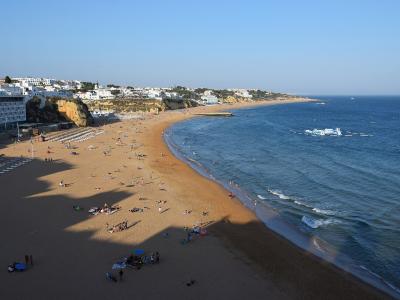
East of the river mouth, Meia Praia is a completely different beach, a long, open stretch of sand facing the bay of Lagos towards Portimão, with room for everyone even in high summer and good conditions for watersports.
Beyond Lagos
Lagos makes an easy base for the western Algarve. The road west leads to Sagres and Cape St Vincent, the southwestern tip of mainland Europe, and to the surfing beaches of the Costa Vicentina. Inland, the hills of the Serra de Monchique offer cooler air, walking trails and views over the coast.
Getting There and Practical Tips
Faro airport is the nearest international gateway, roughly an hour away by car on the A22 motorway. Lagos is the western terminus of the Algarve railway line, with regional trains running east via Portimão and Faro, and the bus station has connections across the region and to Lisbon. The old town is compact and best explored on foot, but parking inside the walls is limited, so leave the car in one of the car parks on the edge of the centre.
Summer is busy and lively, with a young crowd in the bars of the old town. In winter Lagos stays open and pleasantly mild, and the cliff walks are at their quietest. Whatever the season, wear good shoes on the clifftop paths and keep behind the barriers, as the soft limestone edges can crumble.
Best time to visit
May, June and September for warm sea and fewer crowds; October to April is mild and quiet, good for walking the cliffs and the old town.
What to see in Lagos
Our picks first.
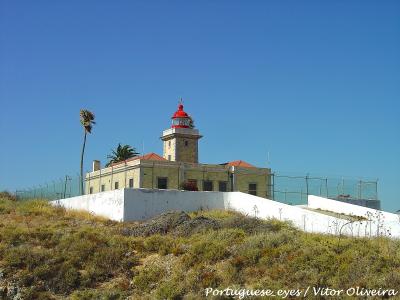
Ponta da Piedade
Dramatic limestone cliffs, sea stacks and grottoes south of Lagos
Free Coastal & Maritime · Natural Wonders
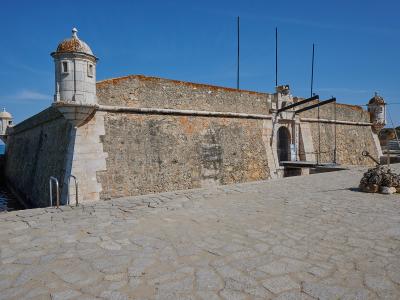
Forte da Ponta da Bandeira
17th-century harbour fort at the mouth of Lagos's river
Beaches · Fortresses
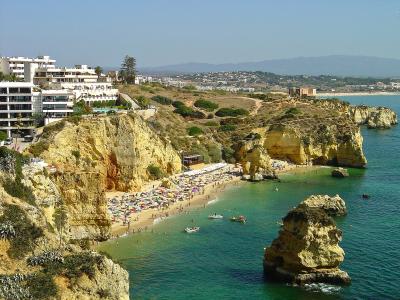
Praia Dona Ana
Golden cove beach framed by sea stacks just south of Lagos
Free Activities & Adventure · Coastal & Maritime
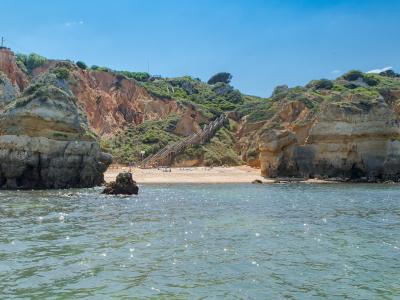
Praia do Camilo
Tiny turquoise cove reached by a long wooden stairway
Free Coastal & Maritime · Natural Wonders
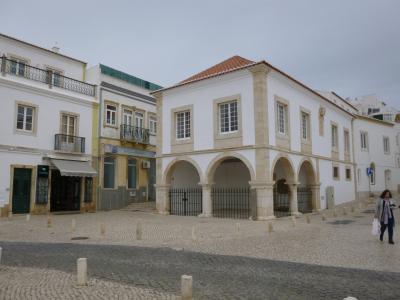
Mercado de Escravos (Slave Market Museum)
Small museum on the site of Europe's first large public slave sale
Cultural Experiences · History & Heritage
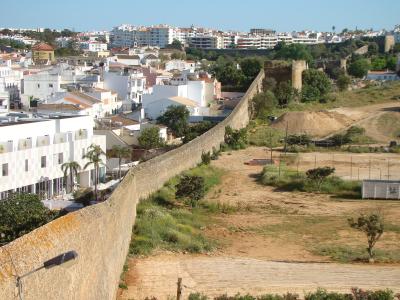
Lagos City Walls
Old defensive walls and gates around the historic centre of Lagos
History & Heritage · Urban Exploration
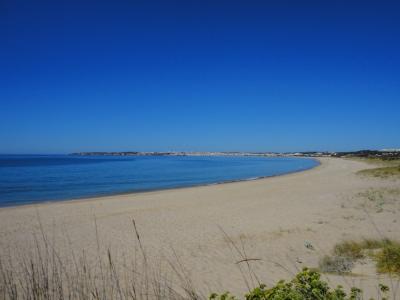
Meia Praia
Long sandy beach on the Bay of Lagos, east of the marina
Free Beaches · Water Sports
Lagos by interest
The same sights, grouped by what you came for.
Planning a visit to Lagos
Good to know
- Currency
- EUR
- Language
- Portuguese