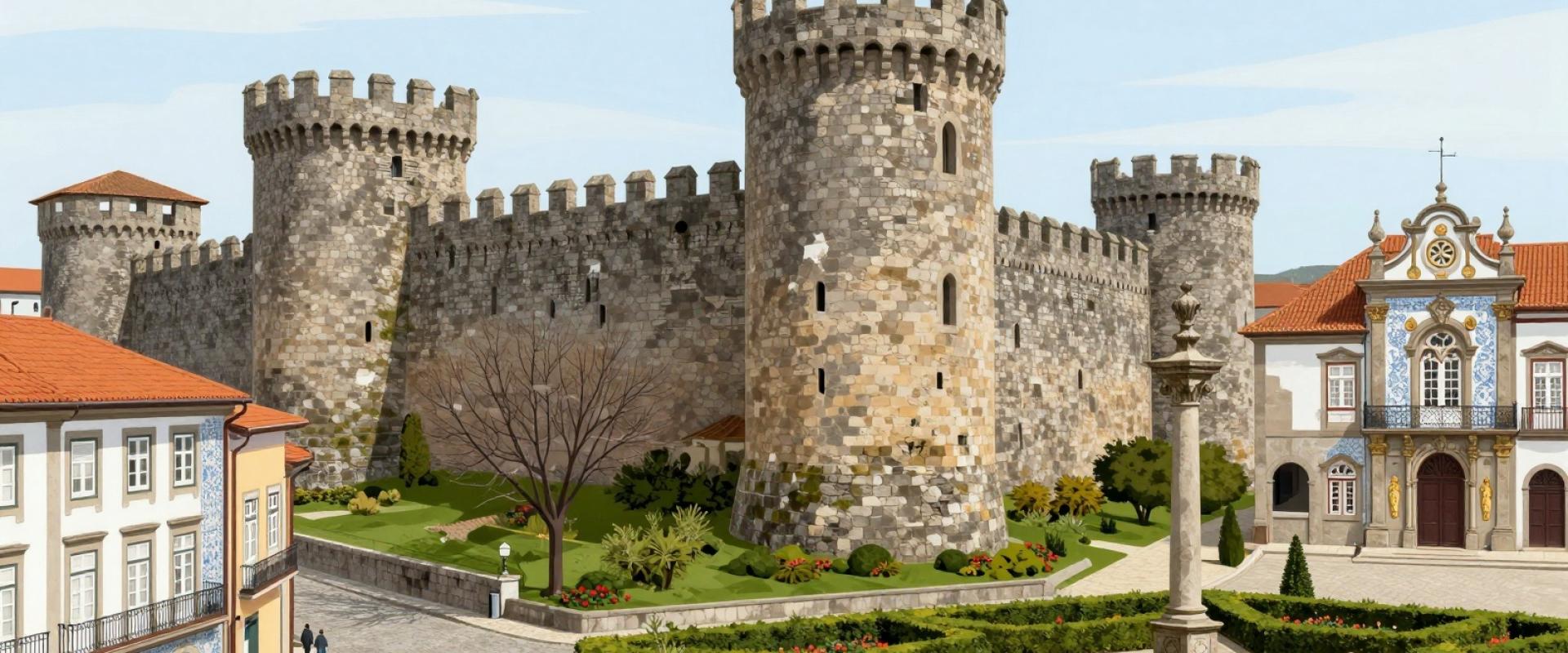
Battle Of São Mamede Site
Historic site of 1128 battle in Guimarães
On 24 June 1128, a battle took place on the outskirts of Guimarães that Portuguese schoolchildren still learn about as the moment their country was born. The young Afonso Henriques, then about eighteen, faced the forces of his own mother, Teresa, who ruled the County of Portugal, and her ally Fernão Peres de Trava, a powerful Galician nobleman. The fight was fought at São Mamede, and Afonso won, taking control of the county and setting out on the path that led to independence. Guimarães, which became the focus of the nation's origin story, proudly calls itself the cradle of Portugal.
The background explains why the battle mattered. Afonso's father, Count Henrique of Burgundy, had ruled the county as a vassal of the kings of León until his death in 1112, leaving a young son and a widow. Teresa governed in her own right, and over the years, she drew closer to the Galician nobility, a policy that alienated many Portuguese nobles and churchmen, who feared that the county would be absorbed into Galicia and León. The barons and the archbishop of Braga rallied behind the young prince, and at São Mamede, their forces defeated Teresa's. Afonso then took the lead of the county, and in the following decades, he fought the Moors in the south, won the victory traditionally associated with Ourique in 1139, took the title of king and was recognised by the pope in 1179.
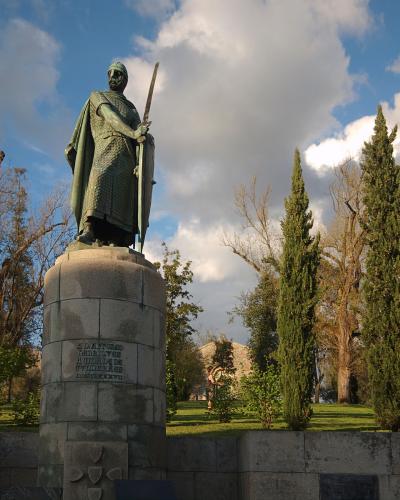
What visitors find at the site today is modest, and it helps to arrive with the right expectations. The battlefield lay on a rise on the edge of the city, and the area has changed with the growth of Guimarães and its farms, so there are no great ruins to see. A memorial and markers recall the event, and the little church of São Mamede, named after the saint, stands nearby. The value is in the setting and the story, which can be best appreciated by combining a visit with the monuments in the historic centre.
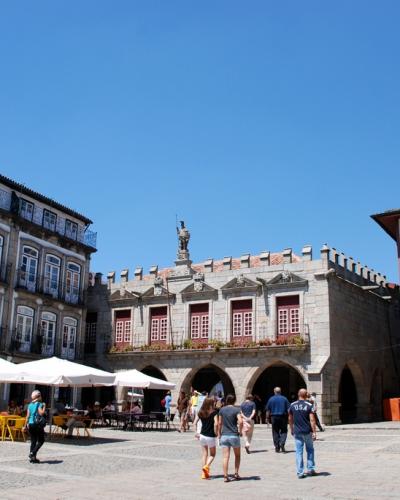
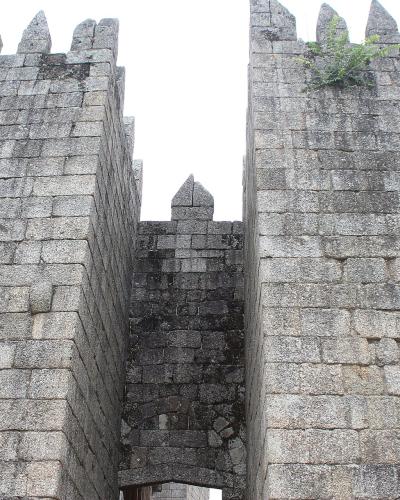
Guimarães itself tells the story in stone. The castle on its hill, a 10th-century fortress rebuilt by Count Henrique, stands near the chapel of São Miguel do Castelo, where Afonso is traditionally said to have been baptised. The words Aqui nasceu Portugal, Here Portugal was born, are inscribed on the city wall, and a large statue of Afonso Henriques watches over the area. The Palace of the Dukes of Bragança, a 15th-century building with distinctive chimneys, and the medieval squares and lanes of the historic centre, which UNESCO inscribed on the World Heritage List in 2001, add to the experience.
Check local information on access to the memorial site and opening hours of the monuments, which vary and often close on Mondays. Wear comfortable shoes, since the historic centre is cobbled and hilly. The visit suits history lovers and those who want to understand the origins of Portugal.
Categories
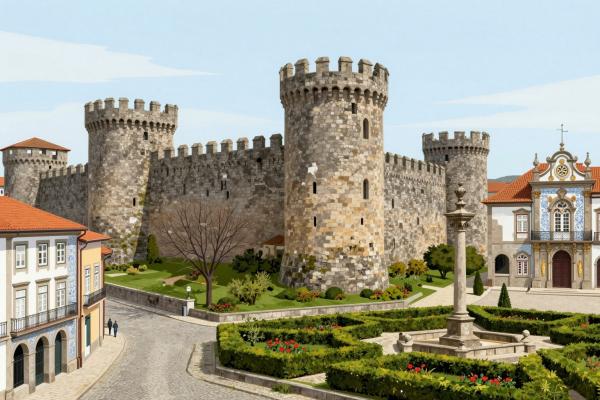
More photos coming soon
Hours & Fees
Hours
Open daily, typically 10:00-13:00 and 14:00-18:00 (closed Mondays and public holidays)
Admission
Free admission
Nearby Attractions
Other places to visit in Guimarães
Frequently Asked Questions
Quick Facts
Best Time to Visit
April to October offers mild, pleasant weather for exploring Guimarães’ medieval center, castle, and outdoor attractions; spring and autumn are especially ideal.