




Castles In Sintra
10th-century Moorish fortress with panoramic views
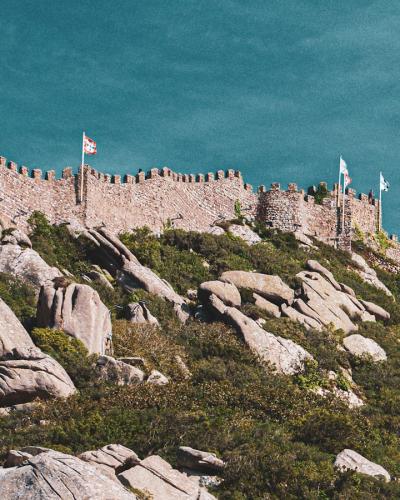
Sintra is often described as a town of palaces, but its oldest fortress is the Castelo dos Mouros, the Moorish Castle, which crowns a granite ridge above the old centre. The walls are believed to date from the Muslim period, around the 9th and 10th centuries, when Sintra was a small settlement in the territory of al-Andalus. The castle was taken by Afonso Henriques in 1147, in the same campaign that brought Lisbon under Christian control, and it then lost its military importance as the frontier moved south. By the 19th century it was a romantic ruin, and Ferdinand II, the king who built the Pena Palace nearby, had it partly restored and landscaped, so that part of what you see today dates from his period.
The walls follow the crest in a long, serpentine line, with towers and a stairway running along the top. Walking the wall-walk is the main experience, and the views reach over the rooftops of Sintra, the Pena Palace on its neighbouring hill, the plain toward Lisbon, and the Atlantic coast. Inside the circuit are the remains of cisterns that collected rainwater, a group of grain silos cut into the rock, and the ruined Romanesque church of São Pedro de Canaferrim, from the 12th century, with traces of old burials nearby. The ground is uneven, and the steps are steep, so shoes with good grip are necessary.
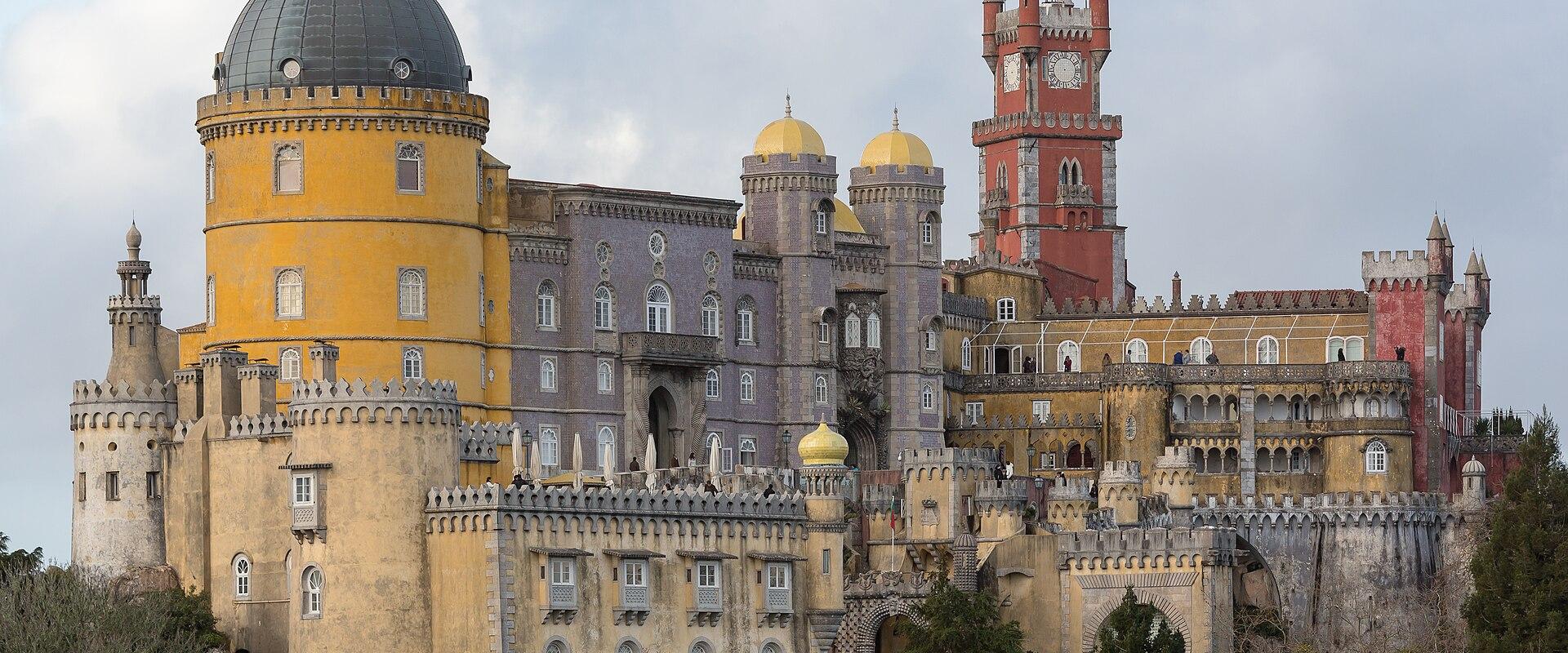
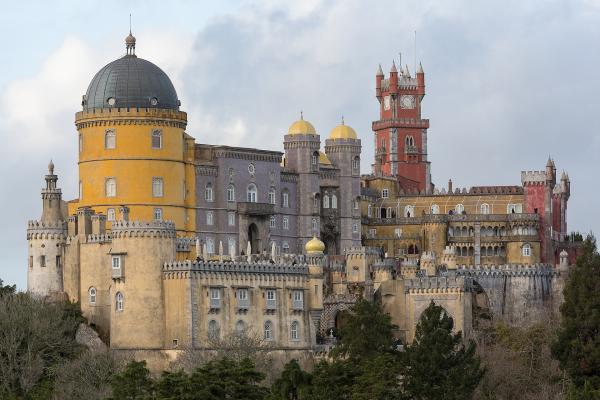
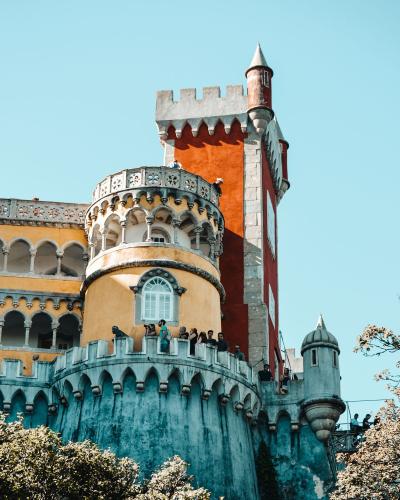
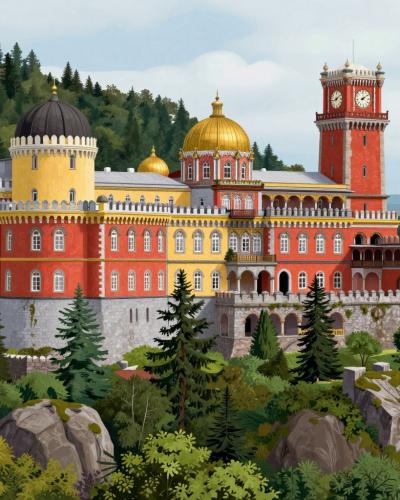
The castle is a counterpoint to the other buildings of the area. While Pena is a 19th-century fantasy and the National Palace of Sintra, with its two white chimneys, is a medieval and Renaissance royal residence, the Moorish Castle shows the military origins of the place. The Convento dos Capuchos, a tiny cork-lined monastery in the hills, offers a different historical layer again.
Getting to the castle involves a climb from the town or a bus or taxi up the hill, and it is often combined with a visit to the palace. The hills are frequently covered in mist, so views vary, and a light jacket is sensible. Hours, tickets, and discounts for online booking change from time to time, so check before you go.
The castle suits walkers, photographers, history readers, and families with children who like climbing walls and towers. Allow around an hour and a half, more if you linger.
Categories
More photos coming soon
Nearby Attractions
Other places to visit in Sintra

Frequently Asked Questions
Quick Facts
Best Time to Visit
Spring (March-May) and autumn (September-November) offer mild weather, lush gardens, and fewer crowds for exploring Sintra’s palaces and hiking trails.