
European Chestnut Tree
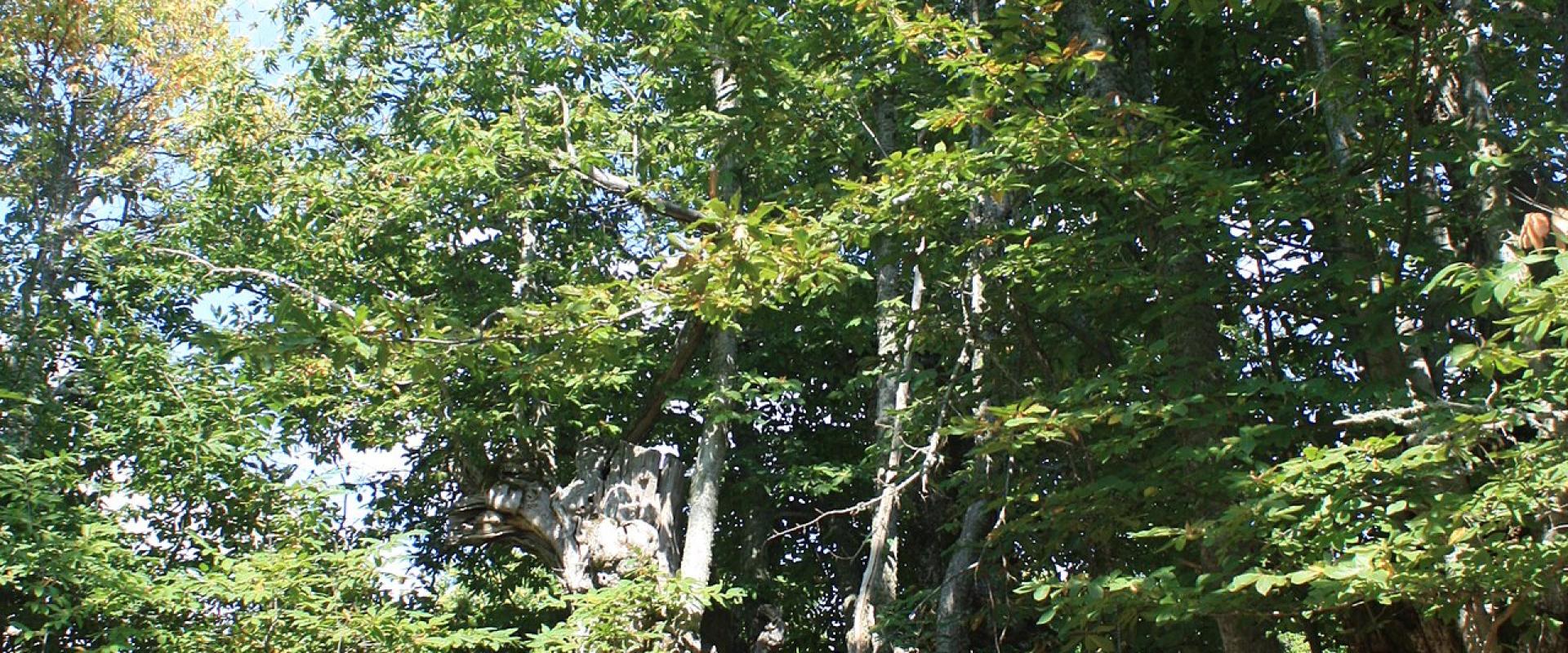
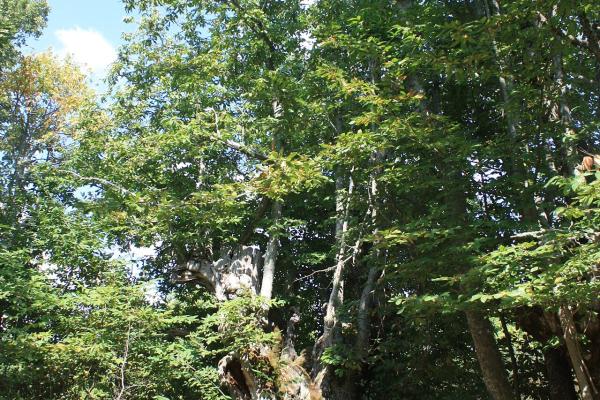
Natural monument chestnut in Gondesenda, Portugal
In the hills around Bragança, in the far north-east of Portugal, the European chestnut is far more than a tree. Known botanically as Castanea sativa, it has been planted and tended for centuries in the Trás-os-Montes highlands, where cold winters and poor soils made chestnuts a vital source of food. Before potatoes and maize spread widely, the nut was ground into flour, boiled, or roasted, and in many mountain villages it was known as the bread tree because it kept families fed through the winter.
The tree at Gondesende, a village in the municipality of Bragança, is recognised as a natural monument, protecting an old specimen that stands out for its size and age. Chestnuts can live for several centuries, and a veteran tree like this shows the characteristic features: a thick, deeply ridged and twisted trunk, a wide crown, and hollows where limbs have fallen away. Standing under it gives a feeling for the long relationship between farmers and their orchards, known in Portuguese as soutos.
The surroundings add to the interest. The village lies close to the Montesinho Natural Park, a landscape of oak woods, meadows, stone villages, and mountain paths that is popular with walkers. Autumn is the best season for a visit. The leaves turn gold, nuts fall in their spiny husks, and the tradition of the magusto, a gathering around fires to roast chestnuts, usually with new wine, takes place around the feast of São Martinho in November.
The tree itself is simple to visit. It is a quiet spot rather than a developed attraction, with no large facilities, so visitors should plan food and water in advance and remember that rural tracks can be muddy after rain. A visit takes only a short time, but combined with a walk in the nearby woods it can fill a pleasant half-day.
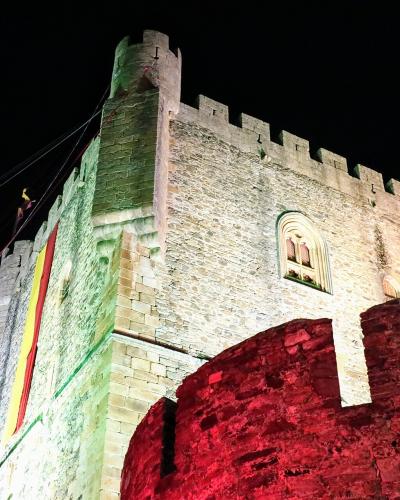
It suits walkers, botanists, photographers, and people interested in rural heritage. Pair it with a visit to the castle and citadel in Bragança, and a meal of regional food such as roast kid or smoked sausages, to get a fuller picture of life in this remote and attractive corner of the country.
Categories
More photos coming soon
Nearby Attractions
Other places to visit in Bragança
Frequently Asked Questions
Quick Facts
Best Time to Visit
Spring (mid-May to mid-June) and autumn (mid-September to early October) offer mild weather and vibrant scenery for exploring Bragança.