


Fado Music In Porto
Traditional Fado shows in Porto’s historic venues
Fado is the music most people associate with Portugal, and although it was born in Lisbon, it can be heard in Porto too. The word comes from the Latin fatum, fate, and the songs are about longing, loss, love and the sea, expressed through a deeply felt vocal style and the shimmering sound of the Portuguese guitar. UNESCO placed fado on its list of the Intangible Cultural Heritage of Humanity in 2011, recognising a tradition that took shape in the working-class districts of Lisbon in the 19th century and became an emblem of the nation.
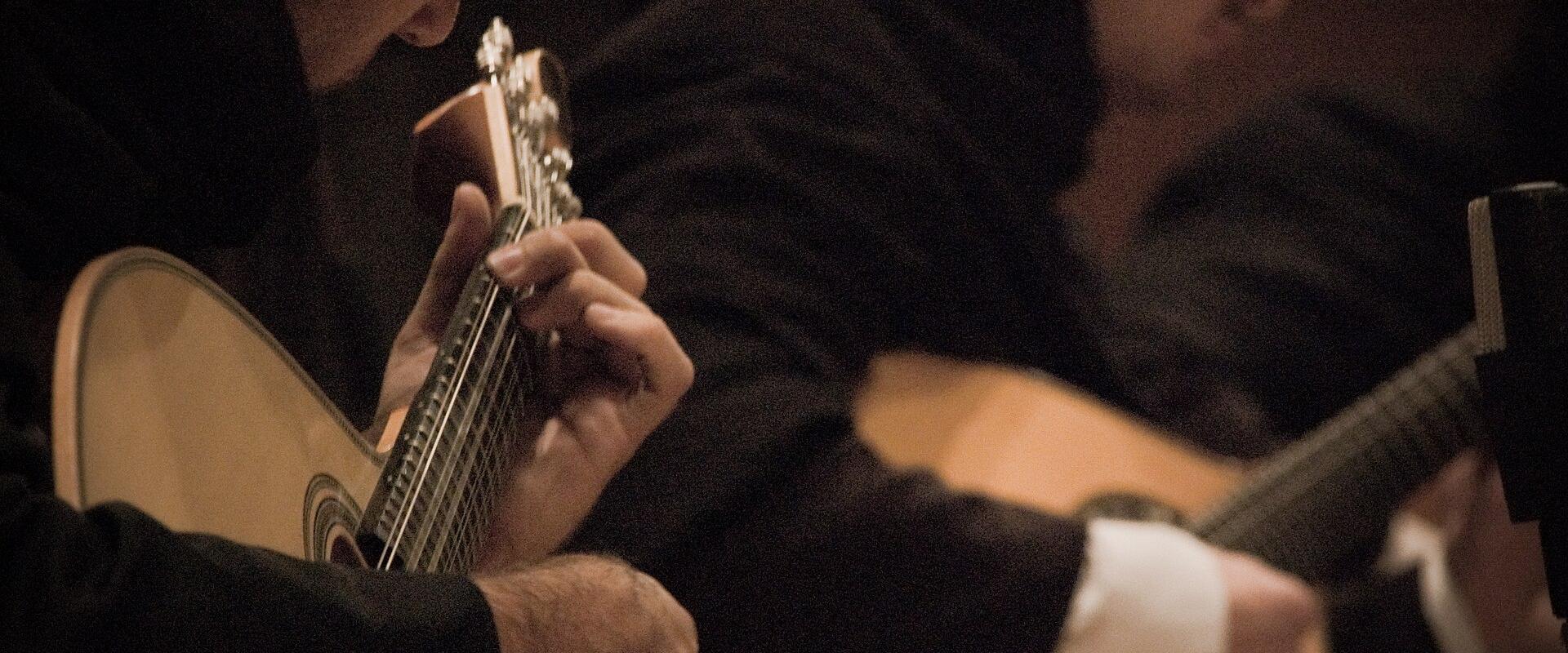
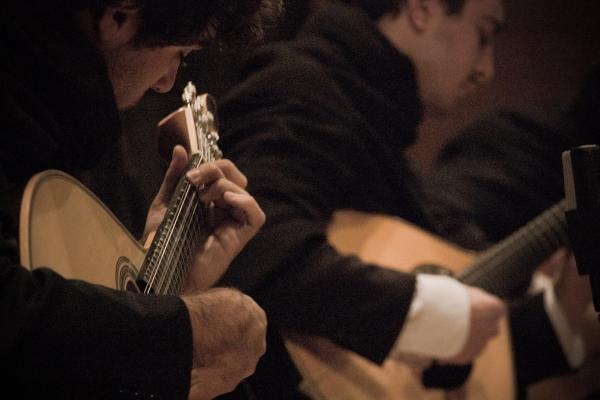
The sound rests on a few elements. The fadista, the singer, stands at the centre, often dressed in black, with a shawl for women, and sings with a voice that moves between restraint and sudden intensity. The accompaniment is the Portuguese guitar, a pear-shaped instrument with twelve strings in six pairs, whose bright, ringing tone gives fado its distinctive colour, together with a classical guitar and sometimes a bass. The key word is saudade, a feeling of longing for something absent or lost that has no exact translation in English. The great figure of the genre was Amália Rodrigues, whose recordings made fado known around the world.
Fado has a cousin in Coimbra, where it developed as a student tradition, sung by men in black academic capes, usually at night in the open air or in serenades beneath windows. Porto does not have the long fado history of Lisbon or Coimbra, but a number of venues in the city offer performances, usually in small restaurants and cellars around the historic centre and the riverside, and in Vila Nova de Gaia across the river. Performances are often combined with dinner, and there are also evening events in historic buildings and wine lodges, sometimes paired with Port tastings. Quality varies, so it helps to read recent reviews and to choose a place where the music is the focus rather than a background to a tourist meal.
Etiquette matters at a fado house. When the singer begins, conversation stops, and the lights are often lowered, as the audience listens in silence. Applause comes at the end of each song, and noisy diners are frowned upon. Dress is generally casual but neat. Performances usually begin late in the evening, around nine or ten, and run for a couple of hours, with several singers taking turns. Booking ahead is advisable in the high season.
For the real roots of the music, visitors can also explore Lisbon's Alfama and Mouraria neighbourhoods, where the genre was born, but a fado evening in Porto is a good way to experience it in the north. It suits anyone who enjoys live music, particularly those who like to listen closely and feel the mood of the songs.
Categories
More photos coming soon
Nearby Attractions
Other places to visit in Porto

Frequently Asked Questions
Quick Facts
Best Time to Visit
May to September offers warm, sunny weather ideal for sightseeing and riverfront activities; spring and early autumn are especially pleasant and less crowded.