
Monte De Montejunto (Natural Landscape/Viewpoint)
Summit chapel in Serra de Montejunto
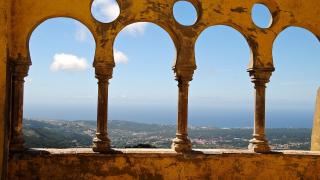
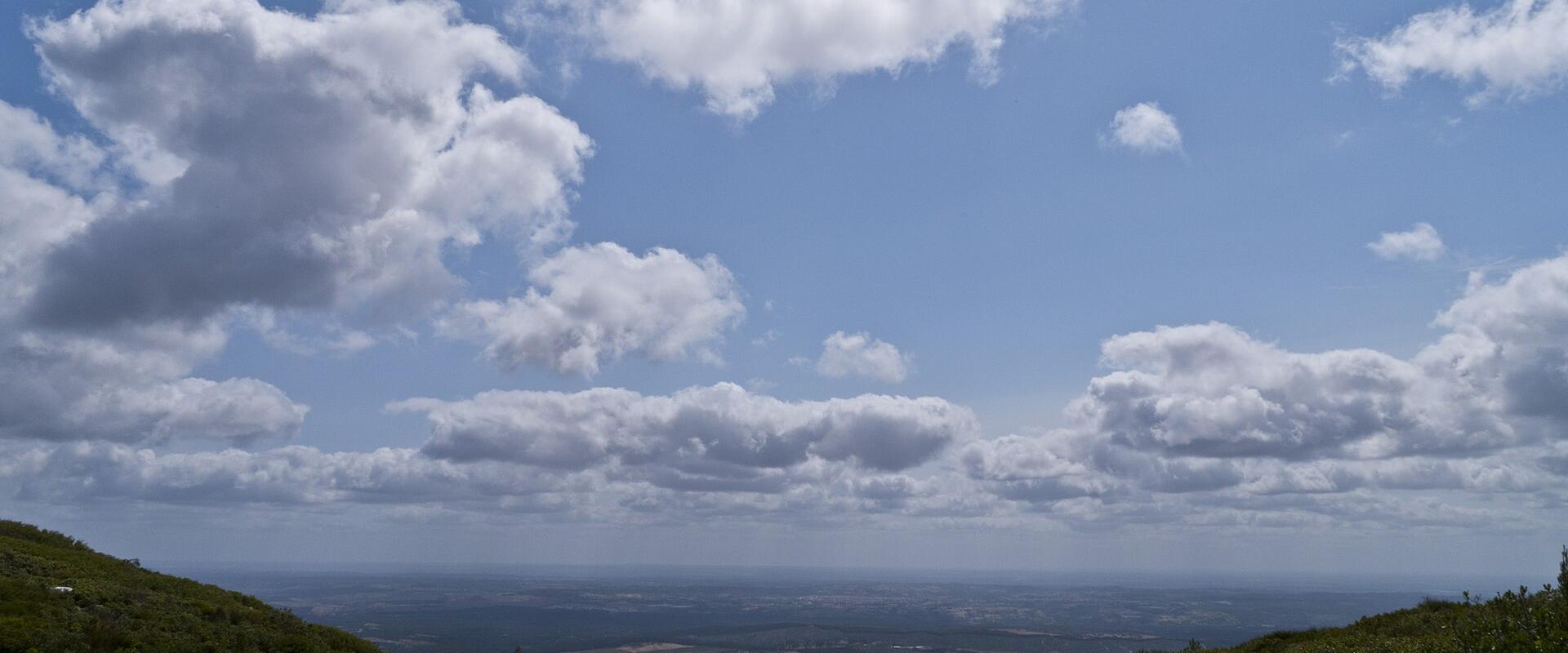
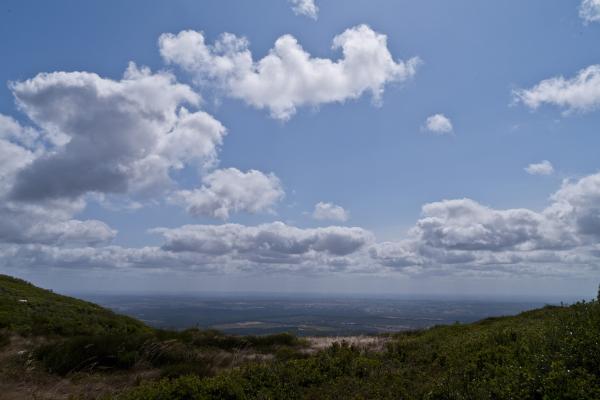
Monte de Montejunto rises suddenly from the Oeste plain, a long limestone ridge whose summit, at 666 metres, is the highest point for many kilometres around. From the road to the top, you see farmland, vineyards and orchards spread out below like a patchwork, and on a clear day, the view runs to the Atlantic in the west and the Tagus valley in the east. The mountain is only about an hour from Lisbon, which makes it a favourite for a day out, yet it feels distant from the capital.
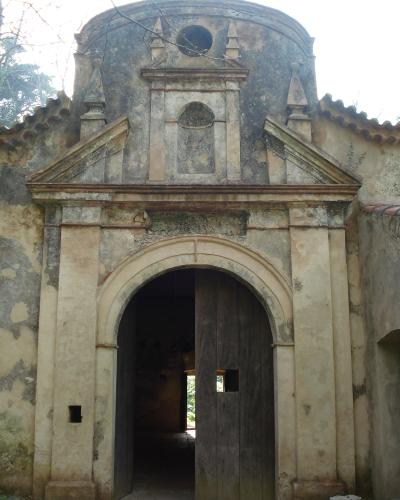
At the summit stands the Ermida de Nossa Senhora das Neves, the hermitage of Our Lady of the Snows, a small chapel that has crowned the mountain for centuries. Its origins are medieval, and the building has been altered and restored several times. The dedication, to Our Lady of the Snows, seems unusual on a mountain so close to the sea, but it recalls the snow that sometimes fell here in winter and the ice trade that the mountain supported, and the chapel has long been the goal of a local pilgrimage. Each year, on 5 August, the feast day of Our Lady of the Snows, devotees climb the mountain to attend mass and a festival, and the slopes fill with families and picnickers. The chapel is plain, with whitewashed walls and a modest interior, and its location, with a view in all directions, is its great virtue.
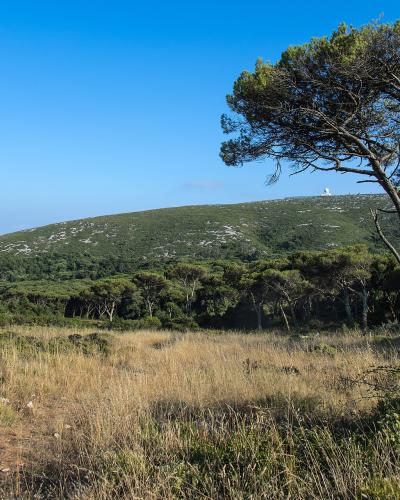
The mountain is covered in a mixture of habitats. Juniper bushes grow in the hollows and on the rocky slopes, giving the valleys their characteristic scent, and cedars and pines have been planted in places. Chestnut trees shade a picnic area, and in spring, wildflowers, among them orchids, bloom in the grass. Birds of prey circle above the cliffs, and paragliders launch from the ridge on windy days. The surrounding countryside is a wine region, and local estates welcome visitors for tastings, so a day can combine the mountain and a glass of wine.
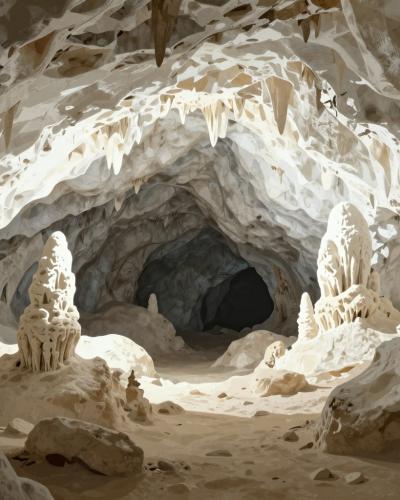
Other sights are scattered along the ridge. The ruins of the Real Fábrica do Gelo, the Royal Ice Factory, where snow was stored in stone-lined pits and sold in Lisbon in summer, lie close to the summit, and caves in the limestone, among them the Grutas de Montejunto, add to the list of places to explore, though access to them depends on conditions, so check locally. Marked walking trails link these places and cross the ridge, offering good views.
Getting there means a drive up a winding road, with parking near the summit. Weather changes fast, and mist, wind and cold are common even in summer, so bring a jacket and good shoes. The summit is free to visit and open at all times. The mountain suits walkers, picnickers and photographers.
Categories
More photos coming soon
Nearby Attractions
Other places to visit in Serra de Montejunto
Frequently Asked Questions
Quick Facts
Best Time to Visit
Spring (March-May) and autumn (September-November) offer mild weather, lush scenery, and ideal conditions for hiking and exploring Serra de Montejunto.