


Pillory
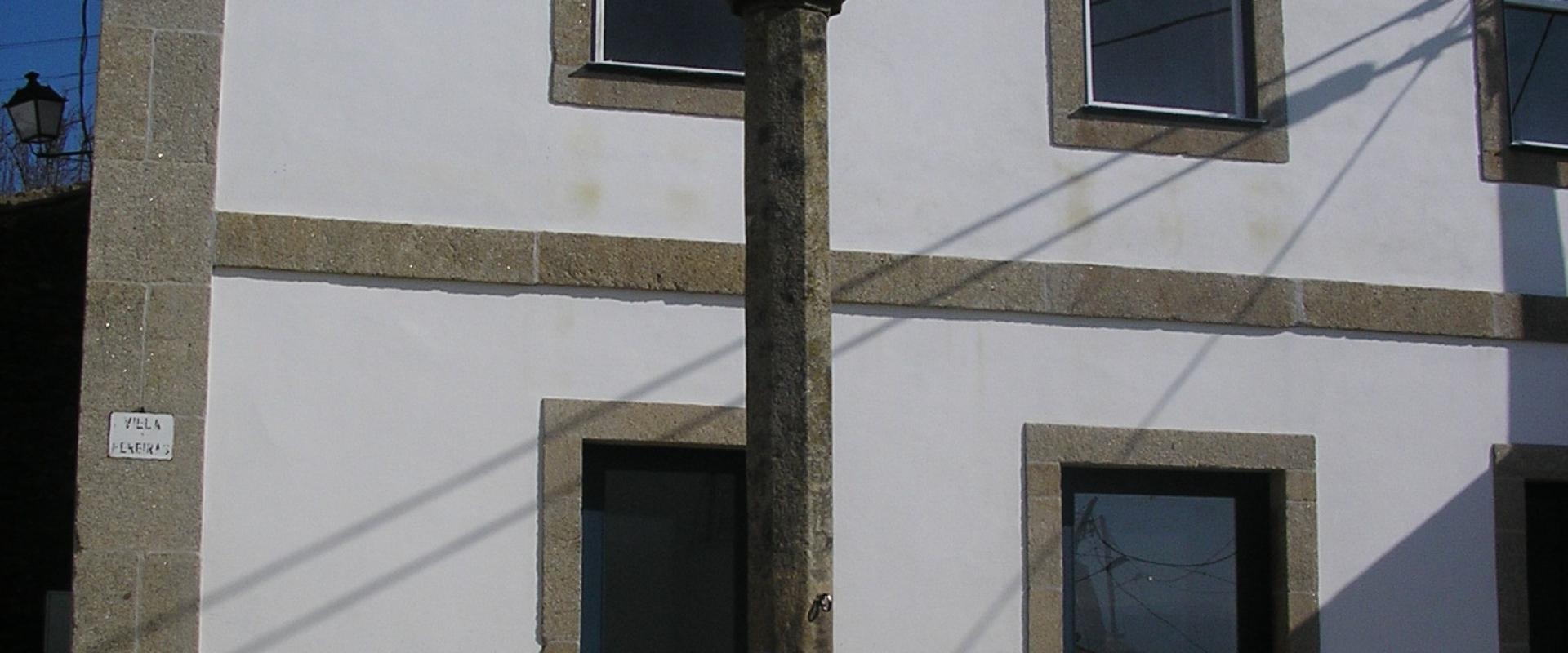
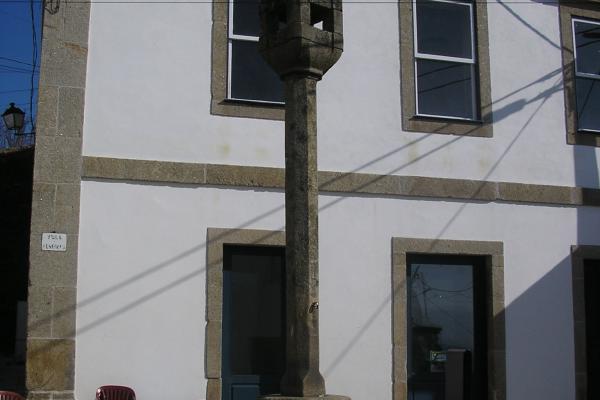
1573 stone pillory in Provesende, Portugal
Standing in the square of Provesende, a village in the Douro wine country, the pelourinho, or pillory, is a stone column that looks plain to a modern eye but carries a long history. Pillories like this stood in the squares of hundreds of Portuguese towns and villages, and they were symbols of a community's right to govern itself. This one is dated to the 16th century, with the year 1573 usually given, and it is a good example of the type.
The pelourinho was introduced to the Iberian world in the Middle Ages as a sign of municipal autonomy, the right of a council to hold its own court and impose penalties. Typically, it is a tall stone shaft, round or polygonal, rising from a platform of steps, and topped with a capital and a finial, often a sphere, a cross or an armillary sphere, the symbol of the Portuguese kings. Some have an iron ring or hooks, from which offenders were shackled or displayed to the public as punishment, and in the past, proclamations and sentences were announced from its base. When the new municipal system of the 19th century swept away the old local privileges, many pillories were pulled down, and the survivors were later protected as monuments, since they were seen as part of the national heritage.
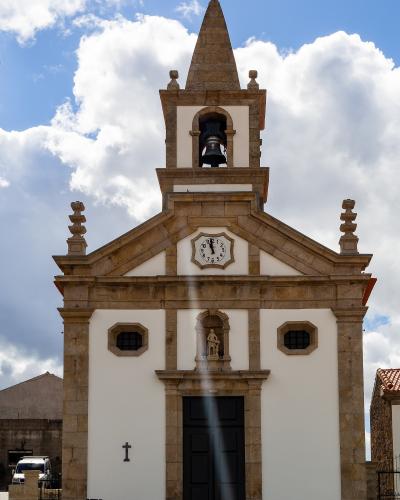
The pillory at Provesende stands in the central space of the village, among granite manor houses and a small church, and its simple lines match the austere granite architecture of the area. It is a modest monument, easy to miss if you do not know what it is, yet it tells you that this village once held the status of a municipality and had a council. The surrounding houses, with coats of arms above their doorways, date from the 18th century, when the wine trade brought wealth to the families of the Douro. Together with the pillory, they give the square its character.
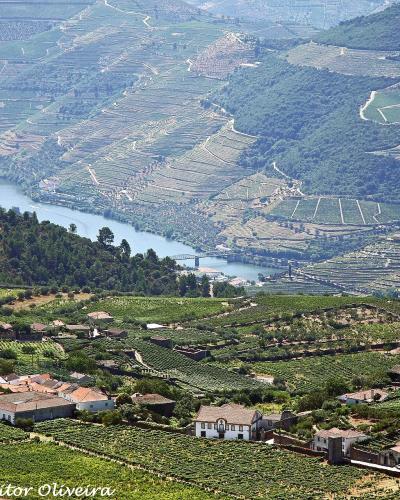
A visit takes only a few minutes, and the monument can be seen at any time, since it stands in the open and is free. It is best combined with a wander through the village, a coffee at the cafe on the square and a look at the manor houses and the church. From the edges of the village, there are wide views over the hills and vineyards of the Douro valley, and the surroundings can be explored by car, with wine estates welcoming visitors in the area. Casa de Mateus, a famous Baroque palace near Vila Real, is not far.
The pillory suits history enthusiasts and those who enjoy small details of Portuguese heritage, and spring and autumn are pleasant seasons for the walk.
Categories
More photos coming soon
Hours & Fees
Hours
Open access (outdoor monument)
Admission
Free
Nearby Attractions
Other places to visit in Provesende
Frequently Asked Questions
Quick Facts
Best Time to Visit
Spring (April-June) and autumn (September-October) offer mild weather, lush vineyards, and vibrant wine events for exploring Provesende and the Douro Valley.