
Serra da Estrela (Nearby)
Highest mountain range in mainland Portugal
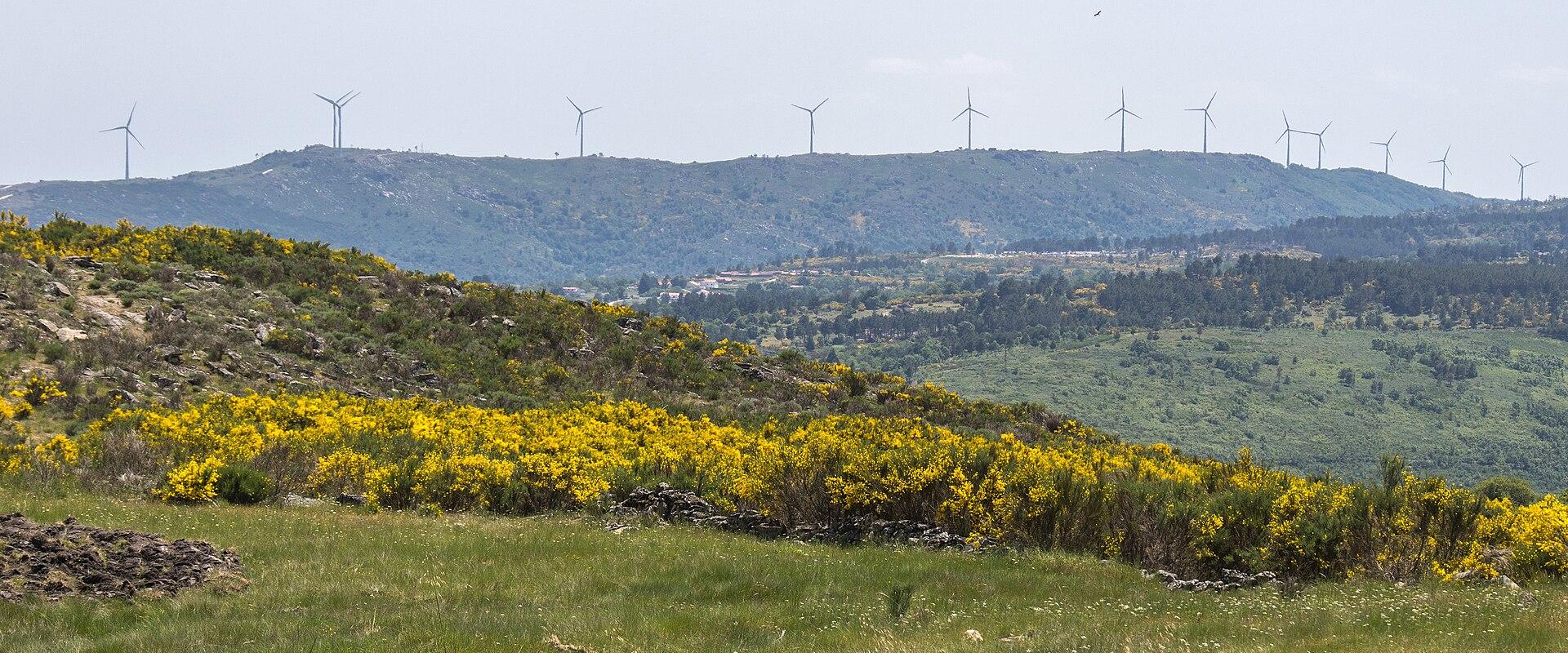
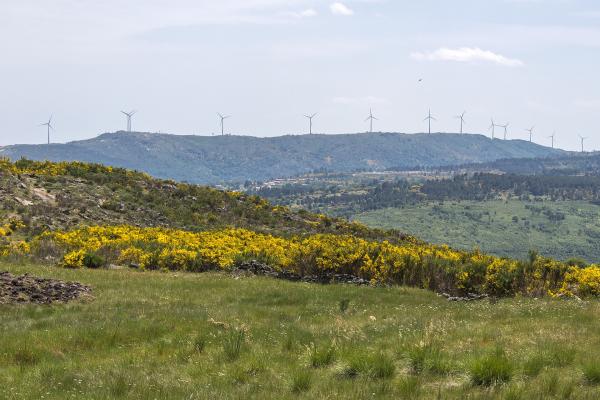
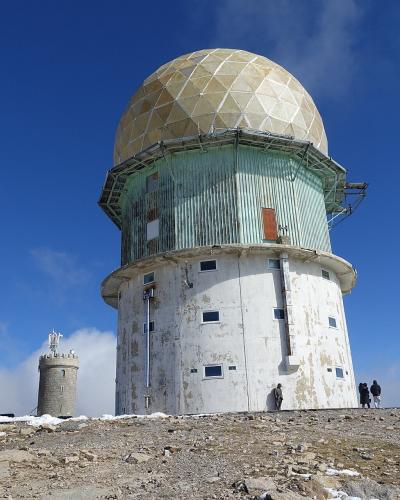
Serra da Estrela is the highest mountain range in mainland Portugal, a broad massif of granite plateaus, rounded summits and deep valleys in the centre-north of the country. Its highest point, known simply as the Torre, reaches roughly 1,993 metres, and the surrounding area is protected as the Serra da Estrela Natural Park, the largest protected area in the country. Its climate, vegetation and landscapes are different from the rest of Portugal, with cold winters, snow and a feeling of open, high country.
The shape of the mountains owes much to ice. During the last Ice Age, glaciers covered the upper parts of the range and carved long, U-shaped valleys, the best known being the upper Zêzere valley, which runs down from the plateau near the Torre. The glacial landforms, which include moraines, rock basins and polished outcrops, are among the few examples of their kind in mainland Portugal. Lakes such as the Lagoa Comprida and the open basin of Covão d'Ametade are good places to see this landscape. Above the tree line, the terrain is covered with heath, grassland, boulders and mountain streams, with flowers in spring and early summer.
The mountains are also a cultural landscape. For centuries, shepherds have moved flocks of sheep between the high pastures and the villages, and from their milk comes the famous Queijo Serra da Estrela, a soft, creamy cheese made with thistle rennet, protected by a designation of origin. The Serra da Estrela dog, a large, powerful guardian breed, was developed to protect the flocks from wolves, and it is one of the best-known Portuguese breeds. Wool was another source of income, and the old textile towns around the foot of the mountains, such as Covilhã, grew rich on it. Stone villages such as Manteigas and Linhares da Beira add to the sense of tradition.
In winter, the range is the only place in mainland Portugal with reliable snow, and a small ski area near the Torre attracts visitors from across the country. In warmer months, walkers and climbers come for the trails, which vary from easy walks along the valleys to long traverses across the plateau. Waymarked routes and information are available from the park offices in the main towns. Weather is changeable, and fog, wind and sudden storms can arrive quickly, so carry layers, water and a map.
The village of Unhais da Serra, on the southern side of the range, is known for its thermal baths and acts as a gateway for visits to this side of the mountains. The roads across the park are winding, and in winter some may close because of snow, so check conditions before setting out. The region suits hikers, nature lovers and anyone who wants a taste of mountain life, with good food and cheese to finish the day.
Categories
More photos coming soon
Opening Hours
Hours
9:00 AM – 7:00 PM
Nearby Attractions
Other places to visit in Serra da Estrela
Frequently Asked Questions
Quick Facts
Best Time to Visit
June to October offers warm weather and ideal conditions for hiking and outdoor activities; winter (December-February) is best for snow and skiing.