Volcanic Landscapes (General)
Geologically active volcanic island with calderas and hot...
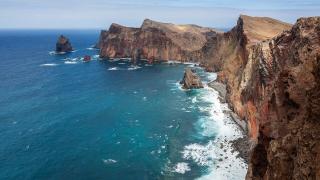
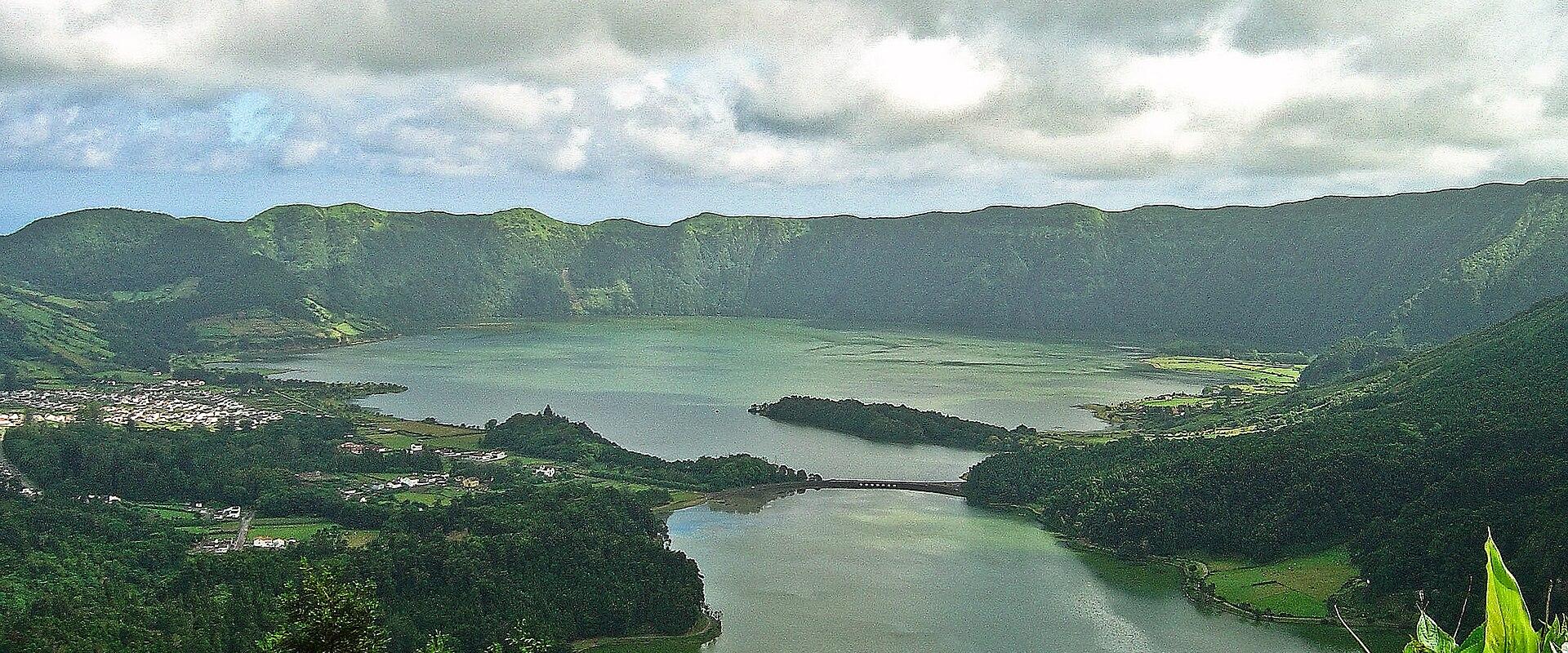
São Miguel is the largest island in the Azores and the one where the volcanic nature of the archipelago is easiest to see. It is about 65 kilometres long and shaped by several volcanic systems, which are still considered active. Three large central volcanoes dominate: Sete Cidades in the west, Fogo in the middle, and Furnas in the east, joined by a ridge of smaller cones and fissures. The result is a landscape of craters, lakes, steep green slopes, and black volcanic stone, all under a mild, wet Atlantic climate that keeps the vegetation lush. The nickname of the Green Island is well earned.
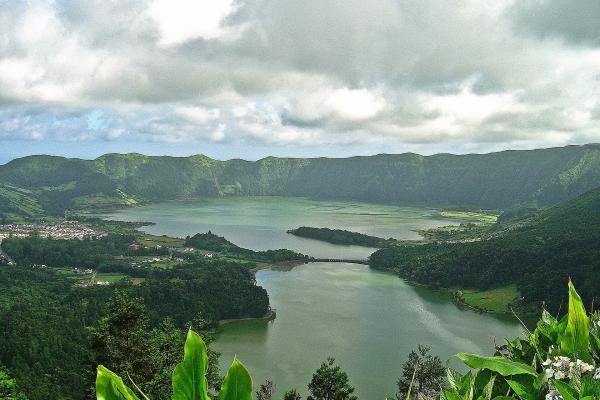
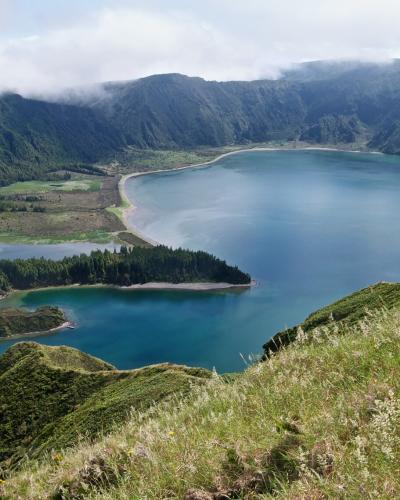
Sete Cidades is the best-known caldera, with its twin lakes, one blue and one green, in a crater several kilometres across. Lagoa do Fogo lies in the crater of the central volcano, at higher altitude, and is surrounded by protected land that is often wrapped in cloud. In the east, the Furnas valley is the centre of the island's geothermal activity. Here steam rises from fumaroles and hot springs, mineral water bubbles in pools, and the ground itself is warm enough to cook in. The local dish called cozido das Furnas is prepared by lowering a pot into the heated soil and leaving it for hours, a vivid example of volcanic energy turned into a meal.
The island's eruptive history is documented. There were eruptions in the 16th and 17th centuries, and in 1811 a new island appeared offshore and later disappeared again, known as Sabrina. Hot water springs near the coast, such as those at Ponta da Ferraria, are a more recent reminder of the heat below. Scientists monitor the island closely, and the activity is generally calm, but it shapes the soils, the water, and the rhythm of life.
The volcanic soil is fertile, which explains the pastures, the hydrangeas along the roads, the tea plantations on the north coast, and the small pineapple greenhouses. The surrounding sea is deep and rich, with whale and dolphin watching trips leaving from Ponta Delgada, the main town.
To see the island's volcanic character, combine a morning at Sete Cidades, a walk around one of the crater lakes, and an afternoon in Furnas. Bring waterproof clothing, as weather changes fast, and allow plenty of time for winding roads. It suits hikers, geology lovers, and families.
Categories
More photos coming soon
Nearby Attractions
Other places to visit in São Miguel Island
Frequently Asked Questions
Quick Facts
Best Time to Visit
May to October offers mild weather, lush scenery, and optimal conditions for hiking, hot springs, and whale watching on São Miguel Island.