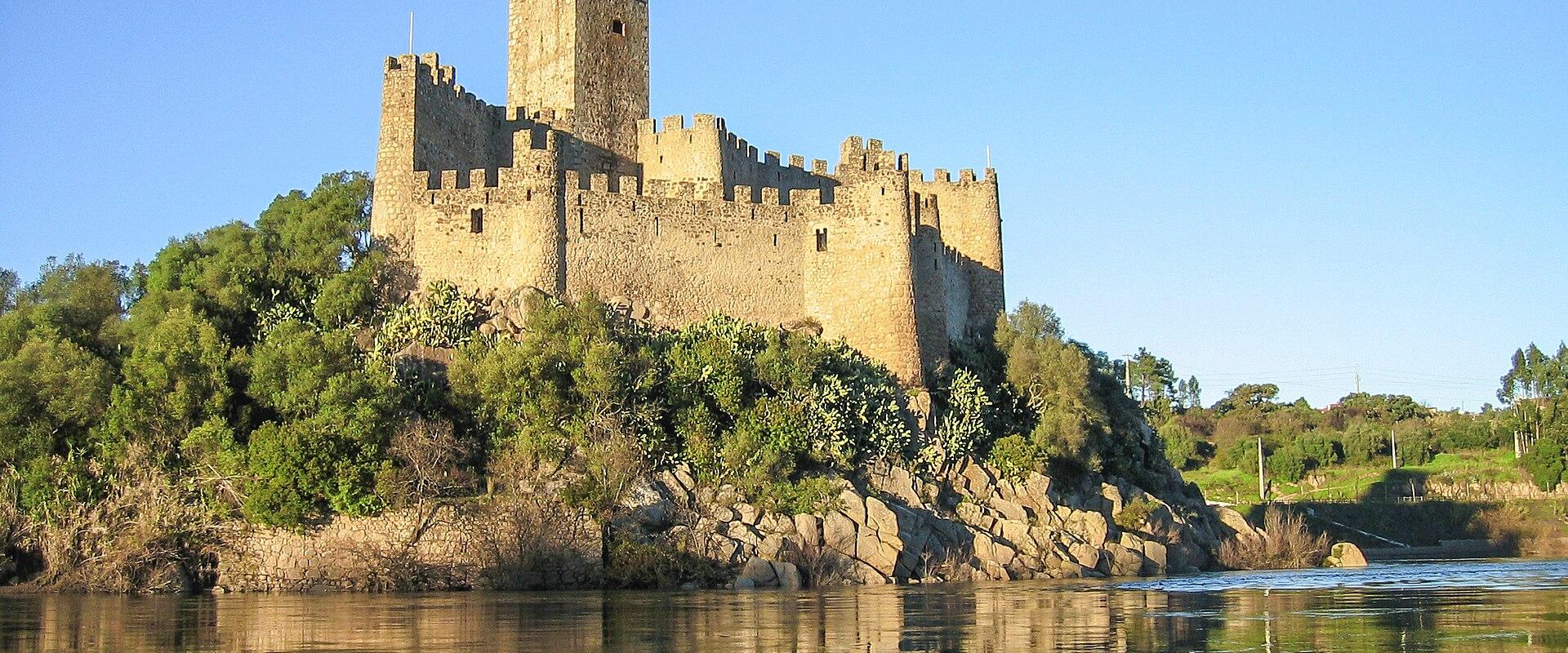
Almourol is a small granite islet in the Tagus River, best known for the dramatic Castle of Almourol that crowns its summit. This fairy-tale fortress is one of the most evocative medieval castles in Portugal, steeped in legend and history. The site’s origins date back to Roman and Moorish times, but the current castle was constructed in the 12th century by the Knights Templar as part of the defensive line along the Tagus. Its strategic location on an island made it nearly impregnable, and the castle played a crucial role in the Christian reconquest of the Iberian Peninsula. The Templar grand master Gualdim Pais, who is also credited with building the convent-fortress at Tomar, is associated with its reconstruction in 1171.
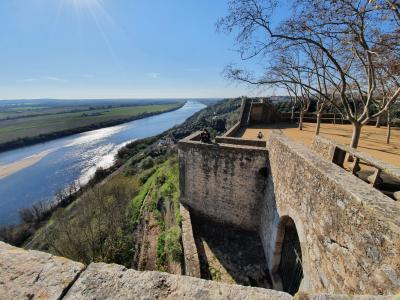
The castle’s architecture is a classic example of military design, featuring a central keep surrounded by nine round towers and crenellated walls. Visitors can explore the ramparts, towers and inner courtyards, enjoying panoramic views of the river and surrounding countryside. The castle’s isolated setting has inspired countless legends, including tales of hidden treasures and star-crossed lovers, adding to its romantic allure. It also appears in the sixteenth-century chivalric romance Palmeirim de Inglaterra, which helped to fix its place in the Portuguese imagination.
Reaching Almourol is an adventure in itself. The islet is accessible only by boat, with regular crossings from the nearby riverbank at Praia do Ribatejo. The short journey offers beautiful views of the castle rising above the water, and the approach is particularly magical in the early morning or late afternoon light. Guided tours are available, providing insights into the castle’s history, architecture and the role of the Knights Templar in Portugal. The walk around the ramparts is uneven, so sturdy shoes are advisable.
Beyond the castle, the area around Almourol offers opportunities for outdoor activities such as kayaking, river cruises and nature walks along the Tagus. The lush riverbanks are home to a variety of birdlife and provide peaceful spots for picnics and photography. The nearby towns of Constância and Vila Nova da Barquinha offer additional attractions, including museums, gardens and traditional restaurants serving regional cuisine. Constância, where the Zêzere meets the Tagus, is a pretty riverside town associated with the poet Luís de Camões, and its terraced streets are worth an hour’s stroll.
Almourol is a popular stop on Templar-themed tours, often combined with visits to the Convent of Christ in Tomar and other historic sites in central Portugal. The castle is open to visitors year-round, but opening hours and boat schedules may vary by season, so it’s advisable to check in advance, particularly in winter or when the river is high.
The best time to visit Almourol is during spring (March to June) and autumn (September to November), when the weather is pleasant, the riverbanks are lush and crowds are fewer. Summer offers warm, sunny days but can be busier, while winter is quieter but may bring cooler, wetter conditions. For history, photography or a quiet riverside escape, Almourol promises an unforgettable experience in central Portugal.
Best time to visit
Spring (March-June) and autumn (September-November) offer pleasant weather, lush scenery, and fewer crowds for visiting Almourol Castle and the Tagus River.
What to see in Almourol
Our picks first.
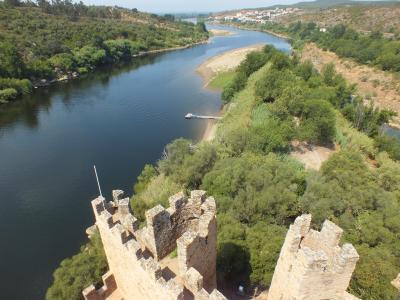
Almourol by interest
The same sights, grouped by what you came for.
Did you know?
Checked facts about Almourol, each with its source.
-
History
Templars Rebuilt Almourol Castle on a Tagus Island in 1171
The Castle of Almourol stands on a small granite island in the middle of the Tagus River. Master Gualdim Pais of the Knights Templar had it completely rebuilt in Templar style, and an original inscription above the main gate dates the work to 1171. It was part of the Templars' defensive line along the Tagus during the Reconquest.
Source: World History Encyclopedia
Planning a visit to Almourol
Itineraries that include Almourol
Good to know
- Currency
- EUR
- Language
- Portuguese
Quick Facts
Book your stay
Questions people ask
More places in Ribatejo
Ribatejo
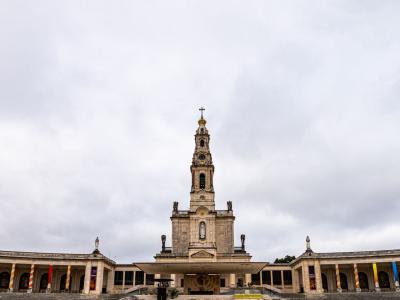
Fátima
World-renowned pilgrimage site with basilicas and spiritual heritage
Ribatejo
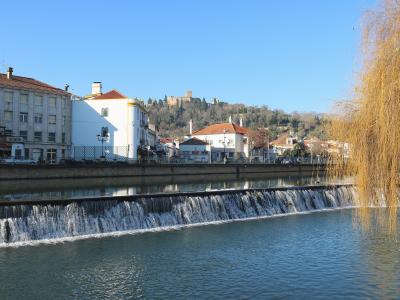
Tomar
Templar city with a UNESCO convent and riverside charm
Ribatejo
Paul do Boquilobo
UNESCO wetland reserve with birdwatching and tranquil trails
Ribatejo
Santarém
Hilltop city with Gothic churches and Tagus views