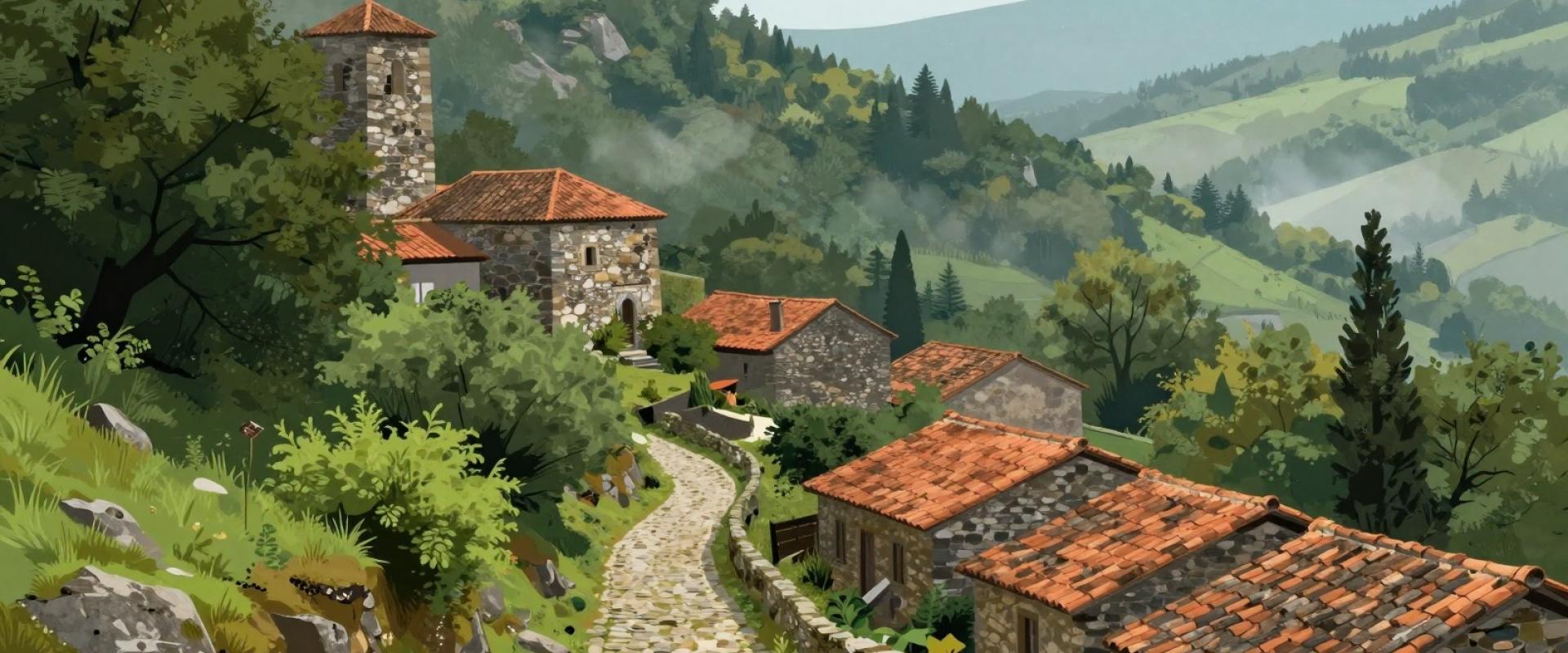
AI-generated illustration
Discovering Vinhais
One-day exploration of Vinhais mountain heritage
1 day
•
Easy difficulty
•
Est. €30
Day 1: Discovering Vinhais: Heritage and Nature
A comprehensive one-day exploration of Vinhais, focusing on its medieval history, the impressive Castle of Vinhais, and the surrounding natural beauty of the Montesinho Natural Park. This itinerary balances cultural sightseeing with scenic walks and local gastronomy.
-
09:00
Visit the Castle of Vinhais (Castelo de Vinhais)
Start your day at the iconic medieval castle. Explore the ruins of the keep, the circular keep tower, and enjoy panoramic views of the town and surrounding mountains. Learn about the castle's strategic role in the region's history.
-
10:15
Explore the Parish Church (Igreja Matriz)
Walk to the town center to visit the Igreja Matriz de Vinhais. Admire the Baroque and Rococo altarpieces, including the famous gilded woodwork. The church is a significant example of religious architecture in the Trás-os-Montes region.
-
11:45
Stroll Through the Historic Center
Wander through the narrow streets of Vinhais' old town. Observe traditional stone houses, local artisan shops, and the general atmosphere of this mountain village. Visit the Municipal Museum if open to see local ethnographic artifacts.
-
13:00
Traditional Lunch in Vinhais
Enjoy a hearty lunch at a local Tasca or restaurant. Try regional specialties such as 'Rojões' (cubed pork with roasted potatoes), 'Migas' (bread crumbs with pork), or 'Alheira' sausages. Pair with a local red wine from the Trás-os-Montes region.
-
15:00
Scenic Drive/Walk in Montesinho Natural Park
Take a short drive or walk to the edge of the Montesinho Natural Park. Enjoy the tranquility of the pine forests and granite landscapes. Look for wildlife such as wild boar, deer, or birds of prey. This area offers a stark contrast to the town and highlights the rugged beauty of the region.
-
17:30
Visit the Roman Bridge (Ponte Romana)
End your sightseeing with a visit to the ancient Roman bridge spanning the Rabagão River. It is one of the few remaining Roman structures in the area and offers a peaceful spot for reflection and photography.
Meals:
Breakfast at Local Café in Vinhais , Lunch at Traditional Tasca in Vinhais Center , Snack at Local Bakery or Café
Where to stay: Stay in a local 'Casa Rural' (rural house) or a boutique hotel in Vinhais for an authentic experience. Options like 'Casa do Castelo' or nearby rural tourism units offer charming stays in restored stone buildings.
Getting around: A car is highly recommended to reach Vinhais and explore the surrounding Montesinho Natural Park effectively. Public transport is limited in this rural area.
Practical Information
Vinhais is located in the rugged Trás-os-Montes region of northeastern Portugal, offering a distinct rural experience away from the coastal tourist hubs. The best time to visit is during the spring (April to June) or autumn (September to October) when temperatures are mild, ranging from 15°C to 25°C. Summer can be intensely hot, while winter brings cold temperatures and potential snow in the surrounding mountains, which may limit access to certain trails. For transportation, Vinhais is not well-connected by direct international flights or high-speed rail. The most practical approach is to drive, as public transport in this remote area is sparse and infrequent. If you do not have a car, you must fly into Porto or Lisbon and take a long-distance bus or train to Bragança, the nearest major hub, followed by a local taxi or arranged transfer to Vinhais. Getting around the town and its immediate surroundings is feasible on foot, but exploring the nearby Serra do Alvão Natural Park requires a vehicle.
Accommodation in Vinhais is limited to small guesthouses, rural tourism units (turismo rural), and a few local hotels. Staying within the historic center allows for easy access to the castle ruins and local restaurants, while rural units in the surrounding villages offer a more immersive experience of the region’s agricultural lifestyle. Budget considerations should reflect the remote nature of the location; while daily costs for food and lodging are generally lower than in Lisbon or Porto, the lack of competition can keep prices stable. Meals typically feature hearty local cuisine, such as roasted meats and chestnut-based dishes, which are reasonably priced. However, dining options are limited, so budget for potential higher costs if you choose to eat at the few available restaurants daily. Essential items to pack include sturdy hiking boots for exploring the mountainous terrain, layers for changing weather conditions, and a map or offline GPS, as mobile signal can be unreliable in remote valleys. Important tips for travelers include respecting local customs in small villages, where communities are tight-knit, and planning meals in advance due to limited opening hours. Additionally, verify road conditions if driving in winter, as mountain passes can be hazardous. This itinerary is best suited for travelers seeking tranquility, nature, and authentic rural Portuguese culture rather than nightlife or extensive urban amenities.
Book your stay
More Itineraries
7 days
Alentejo Highlights Tour
Seven-day tour of Alentejo's historic towns and cork oak landscapes
View Itinerary →
7 days
Algarve Highlights Tour
7-day tour of Algarve's cliffs, beaches, and historic towns
View Itinerary →