

The Portuguese Boutique Ethos
Portuguese boutique hotels prioritize heritage architecture over standardized luxury. Many properties occupy restored historic buildings, such as the Torre de Palma Wine Hotel. This Alentejo estate dates back to 1338, offering traditional interiors. The design emphasizes slow travel and immersive rural experiences. Properties often convert former wine estates or farmhouses into retreats. This approach contrasts sharply with large international chain models. Service remains highly personalized through local concierge roles. Guests receive tailored guidance on regional wine and olive oil production. The focus lies on authentic cultural integration rather than generic amenities. Locations span whitewashed villages and dramatic coastal areas. Alentejo serves as a primary hub for this style. Hotels here highlight local cork oaks and Moorish architectural influences. The model rejects flashy resort aesthetics for understated elegance. Travelers seek specific, location-based authenticity. This ethos defines the sector’s distinct identity within the Portuguese hospitality landscape.
Regional Architectural Styles
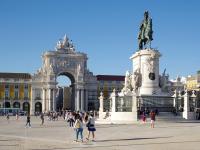
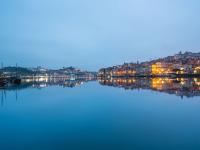
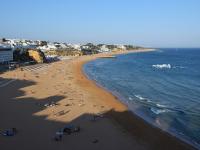
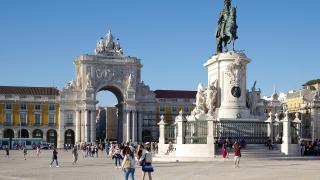
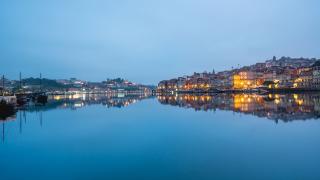
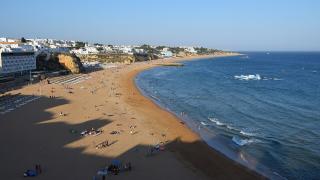
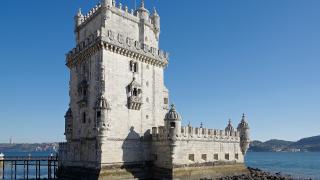
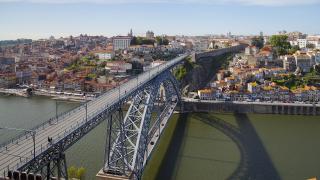
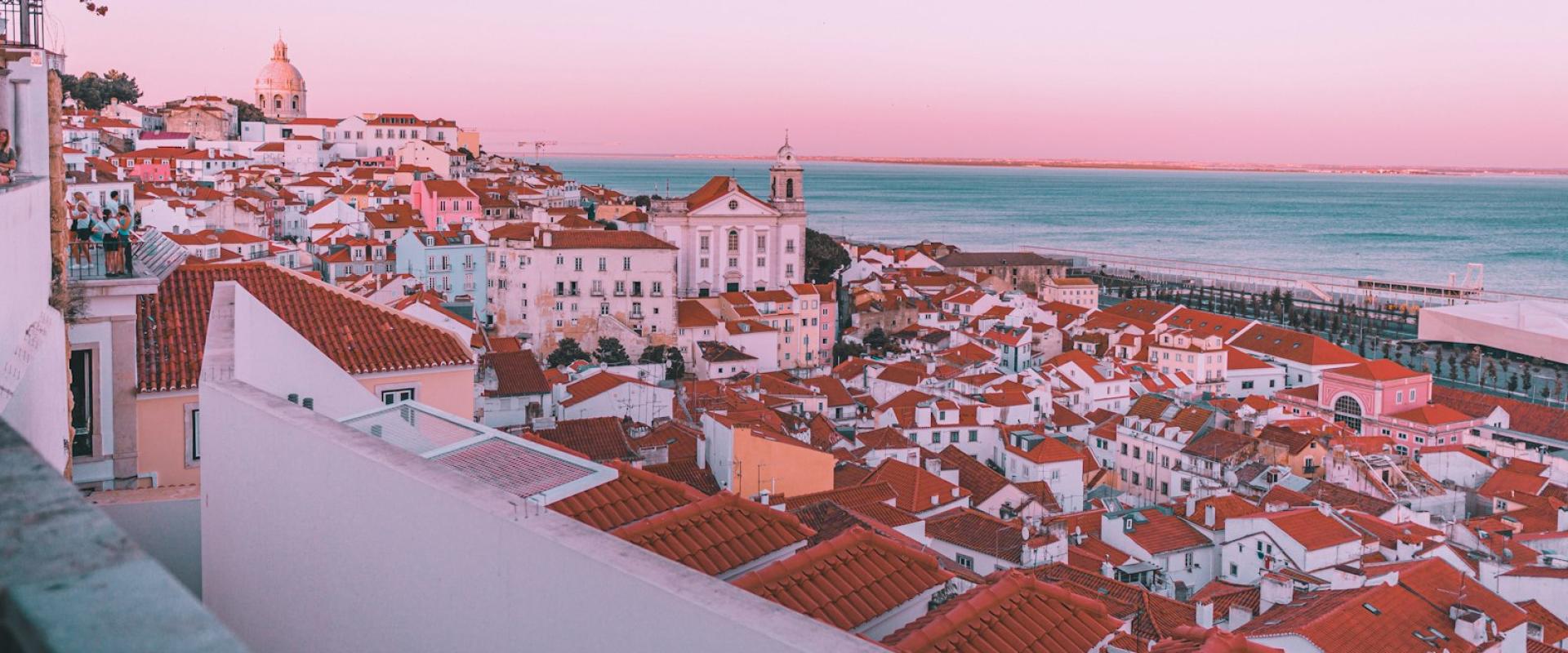
Lisbon and Porto feature urban palaces and terraced houses. These properties often retain original azulejo tiles and wrought-iron balconies. Designers integrate modern amenities within historic stone facades. Alentejo offers rustic elegance using local cork and limestone. The Torre de Palma Wine Hotel exemplifies this style. Its interiors reflect traditional Alentejo aesthetics within a 1338 estate. Vineyard-integrated designs dominate the Douro Valley. Boutique hotels here blend into steep terraced landscapes. Structures utilize granite and wood to match the terrain. Coastal Algarve properties display whitewashed aesthetics. These buildings reflect traditional fishing village architecture. Light colors help reflect the intense southern sun. Each region provides distinct visual experiences for travelers. Urban centers offer grandeur and historical depth. Rural areas emphasize material authenticity and simplicity. Coastal locations prioritize brightness and open spaces. Travelers can select accommodations based on preferred architectural heritage. The variety ensures a unique stay in every region.
Location and Neighborhood Dynamics
Urban boutique hotels cluster in Lisbon’s Chiado and Porto’s Ribeira. These neighborhoods offer immediate access to historic sites and transit hubs. Travelers prioritize walkability and proximity to cultural landmarks. Rural properties dominate the Alentejo and Douro Valley regions. These locations emphasize slow travel and immersion in nature. The Torre de Palma Wine Hotel exemplifies this Alentejo style. It occupies a historic estate dating back to 1338. Guests experience whitewashed architecture and local olive oil production. Accessibility varies significantly between urban centers and rural estates. Lisbon and Porto provide extensive metro and tram networks. Rural areas require private vehicles for efficient navigation. Urban convenience contrasts sharply with rural tranquility. City hotels offer vibrant street life and dining options. Country retreats provide silence and expansive vineyard views. Selection depends on preferred pace and transport mode. Urban stays suit those seeking cultural density. Rural stays appeal to travelers seeking isolation and wellness. Both models define the Portuguese boutique experience.
Booking Strategies and Seasonality
Portuguese boutique hotels possess limited room inventory. Properties like the Torre de Palma Wine Hotel offer distinct, historic accommodations. Early booking is essential for securing these unique spaces. Peak season runs from May through September. Demand surges during these months in Lisbon and Porto. Travelers should book several months in advance. Shoulder season travel offers significant advantages. Rates often decrease outside the summer peak. Direct communication with hotels yields better results. Contact properties via email or phone. Inquire about specific amenities or room configurations. Ask about local experiences or wine tours. Direct bookings may include complimentary breakfast. This adds value to the stay. Avoid third-party platforms for special requests. Portuguese hosts appreciate personalized inquiries. Confirm cancellation policies before payment. Most boutique properties enforce strict terms. Verify check-in times carefully. Urban hotels in Chiado may have late arrivals. Rural estates in Alentejo require prior notice. Plan logistics around property locations. Ensure transportation aligns with hotel access. Direct engagement ensures a smoother experience. Prioritize heritage sites for authentic stays. Book early to secure preferred dates.
Practical Considerations for Travelers
Historic conversions create accessibility challenges. Many properties occupy restored palaces or farmhouses. Staircases are often steep and narrow. Elevators are rare in older buildings. Travelers with mobility issues must verify access beforehand.
Parking is scarce in urban centers like Lisbon and Porto. Hotels rarely offer free on-site spaces. Street parking is limited and strictly regulated. Expect to pay for nearby garages. Budget extra time for parking logistics.
Wi-Fi quality varies significantly by location. Historic stone walls can block signals. Request a room with verified connectivity before booking. Noise levels depend on neighborhood density. Chiado and Ribeira areas are lively but loud.
Breakfasts feature local Alentejo products. Torre de Palma offers traditional regional items. Dietary restrictions require advance notice. Portuguese cuisine emphasizes olive oil and cork oak regions. Confirm specific menu options during reservation.