Seasonal Timing and Climate
Spring and autumn offer the best conditions for camping in Portugal. Temperatures remain mild, avoiding the extreme heat of summer. May through June provides comfortable weather for outdoor activities. September and October are also highly recommended for visitors. These months balance warm days with cooler nights. July and August bring peak heat to the region. Temperatures can exceed 40 degrees Celsius in some areas. Campers must manage heat carefully during these summer months. Hydration and shade become critical priorities for safety. Autumn is particularly ideal for surfers visiting Portugal. Consistent swells hit popular spots like Peniche and Nazaré. The Algarve, including Sagres, offers excellent surf conditions. Water temperatures remain manageable for extended sessions. Winter camping is limited to specific southern regions. Northern areas experience colder temperatures and higher rainfall. The Algarve remains the most popular camping destination. It features golden beaches and dramatic coastal cliffs. Campsites here range from basic to fully equipped facilities. Many offer pools and wellness centers for comfort. Wild camping is officially prohibited throughout the country. Violations may result in significant fines. Always use designated campsites for legal and safe stays. Late September to early October is optimal timing. Ocean temperatures are milder, and crowds are thinner. This period suits both beginners and professional surfers. Plan your trip to align with these seasonal patterns.
Regional Landscape and Locations
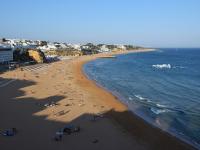
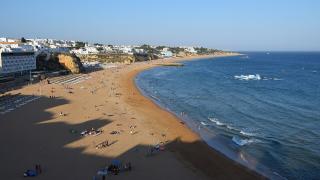
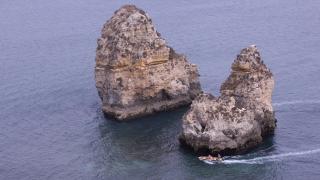
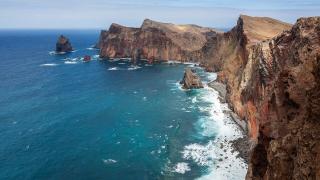
The Algarve remains the most popular camping region in Portugal. It features golden beaches and dramatic cliffs near towns like Lagos and Albufeira. Campers find diverse amenities here, ranging from shore-adjacent sites to facilities with pools and wellness centers. This area suits those seeking coastal convenience and structured services.
Northern regions offer a distinct contrast with rustic, nature-focused experiences. These sites cater to travelers preferring mountains over the sea. The landscape shifts from coastal dunes to rugged inland terrain. Campers here enjoy quieter, more secluded environments away from major tourist hubs.
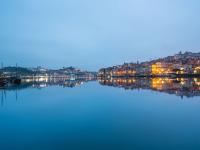
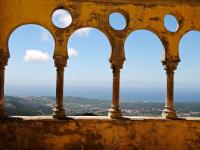
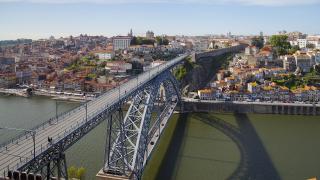
Sintra-Cascais and the Douro Valley provide unique geographical settings. Sintra-Cascais combines historic landscapes with Atlantic access. The Douro Valley offers vineyard-covered hillsides and river views. These locations attract campers interested in varied topography beyond standard beaches.
Regional choices depend heavily on personal preference for coast versus nature. The Algarve dominates for beach access and infrastructure. Northern and inland areas serve those prioritizing rustic solitude. Spring and autumn remain ideal seasons across all regions. Temperatures stay mild, avoiding summer extremes. Wild camping is prohibited nationwide, requiring use of designated sites. Campers must select locations based on desired landscape and available amenities.
Regulations and Wild Camping
Wild camping is officially prohibited in Portugal. Authorities enforce this rule strictly across the country. Violators face significant financial penalties for unauthorized stays. Fines serve as a strong deterrent against illegal camping practices. Campers must utilize designated campsites to remain compliant with local laws. These sites ensure safety for all visitors and protect natural habitats. Environmental protection is a primary goal of these regulations. Designated areas provide necessary amenities and secure parking options. Campervan drivers should avoid roadside parking for overnight stays. Instead, use designated camper parks or official parking zones. This practice prevents legal issues and respects local communities. Planning ahead is essential for a smooth trip. Check specific site availability before arrival, especially in popular regions. The Algarve offers many compliant options near beaches and cliffs. Surf camps near Peniche and Nazaré also provide legal facilities. Spring and autumn are ideal times to book these spots. Weather conditions are mild, but demand remains high. Always verify current rules before traveling to remote areas. Regulations can vary slightly by municipality. Adhering to these guidelines ensures a respectful and legal experience. Portugal welcomes tourists who follow established camping protocols. Using official sites supports local infrastructure and conservation efforts. This approach maintains the quality of the camping experience. It also preserves the natural beauty of the landscape for future visitors. Prioritize safety and legality over convenience. This mindset aligns with responsible travel practices in Portugal.
Camping Infrastructure and Gear
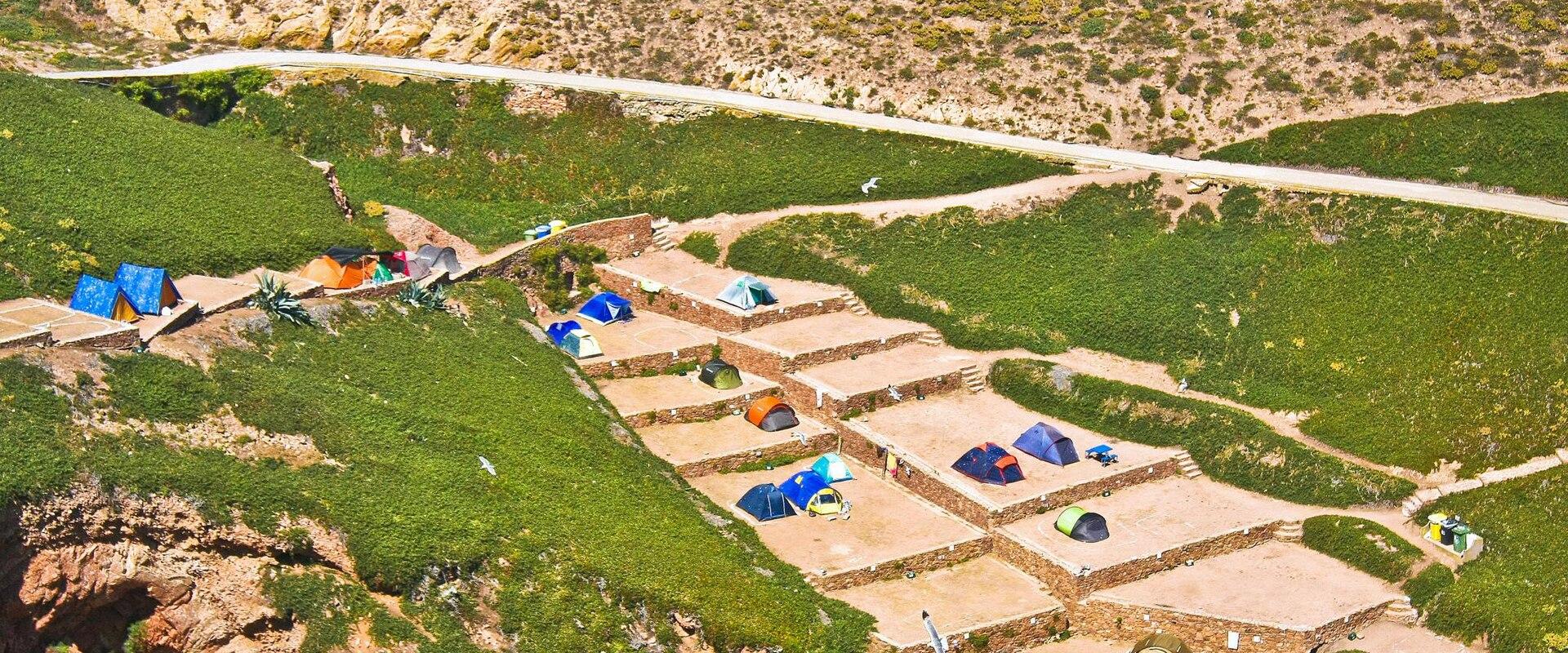
Portuguese campsites offer diverse infrastructure levels. Options range from basic sites to luxury facilities. Many Algarve locations feature pools and wellness centers. Surf camps exist near Peniche and Nazaré. Nature camps are available in mountainous regions. Campers must bring specific gear for safety. Sun protection is essential due to strong UV rays. Breathable clothing helps manage the mild but warm climate. Power banks are recommended for remote areas. First-aid kits should be standard in all packs. Self-sufficient campers must pack their own cooking equipment. Portugal prohibits wild camping entirely. Unauthorized stays result in significant fines. Authorities enforce this rule strictly nationwide. Late September to early October offers optimal weather. Ocean temperatures are milder during this period. Spring and autumn remain the best seasons. Temperatures rarely exceed extreme summer highs. Campers should verify site amenities beforehand. Luxury sites provide electricity and water hookups. Basic sites may lack these utilities. Surf camps cater specifically to athletes. They often include gear storage and repair services. Mountain camps focus on hiking access. They provide trails and picnic areas. Always check local regulations before arrival. Fines for violations are substantial. Proper preparation ensures a safe trip. Bring adequate water supplies for dry spells. Portugal’s safety ratings are high. This allows for relaxed camping experiences. However, self-reliance remains crucial. Infrastructure varies significantly by region. The Algarve offers the most amenities. Northern regions may have fewer facilities. Plan gear based on your chosen site. Research specific campsite details online. This prevents unexpected shortages. Portugal welcomes tent, car, and campervan campers. The atmosphere is generally welcoming. Safety is a priority for locals. Respect the environment and local rules. This ensures continued access to sites. Proper gear enhances the overall experience. Portugal’s diverse landscapes support various camping styles. Choose gear that matches your activity. Surfing requires different equipment than hiking. Adapt your packing list accordingly. Portugal’s climate demands versatile clothing. Layers work best for changing conditions. Always prioritize safety and preparation.
Safety and Practical Considerations
Portugal maintains high safety ratings for tourists. Standard precautions remain necessary for all visitors. Coastal hazards require specific attention near surf spots. Peniche and Nazaré present strong currents and rip tides. Campers must respect local wave conditions strictly. Fire risks increase significantly during dry summer months. Authorities enforce strict bans on open flames in forests. Wild camping is prohibited nationwide. Unauthorized stays incur heavy fines from local police. Emergency services are accessible throughout major regions. Dial 112 for immediate medical or police assistance. Response times are generally reliable in the Algarve. Respect local customs regarding noise and behavior. Quiet hours typically begin after 10 PM. Leave no trace principles apply to all sites. Remove all waste from mountain and coastal camps. Wildlife includes insects and occasional wild boars. Store food securely to avoid attracting animals. Campsites offer varied security levels. Luxury facilities often include gated access and surveillance. Basic sites may lack perimeter fencing. Check site reviews for specific safety notes. Surf camps near Sagres cater to active travelers. Nature camps in mountains require sturdy gear. Always verify water availability before arrival. Tap water is safe in urban areas. Rural sources may require filtration. Respect private property boundaries strictly. Trespassing leads to legal consequences. Plan routes during daylight hours. Mobile signal coverage varies in remote zones. Download offline maps before entering rural areas. Carry a basic first aid kit. Include supplies for sunburn and minor cuts. Hydration is critical in hot weather. Bring extra water for cooking and cleaning. Portugal welcomes campers who follow local rules. Compliance ensures a secure and enjoyable trip.