







Portuguese ferry networks split into two distinct categories. Archipelago services connect the Azores and Madeira islands. Mainland routes cross major estuaries like the Tagus and Sado. These crossings function as essential logistical links. They replace lengthy road detours around water bodies. Infrastructure varies significantly between these two systems. Major terminals in Lisbon and Porto offer modern facilities. Small island docks often lack advanced amenities. Schedules are strictly tied to tidal patterns. Fares remain affordable for both vehicles and pedestrians. The Azores inter-island network requires careful planning. Routes depend on weather conditions and vessel availability. Mainland crossings operate with high frequency. The Cacilhas to Lisbon route runs daily. Travel time typically stays under fifteen minutes. Ferries here serve commuters more than tourists. Scenic value exists but remains secondary. Practicality drives the primary utility of these services. Passengers must verify schedules before travel. Weather disruptions can delay archipelago connections significantly. Mainland services rarely face such interruptions. Understanding this distinction aids trip planning. You will save time by using ferries for estuary crossings. Island hopping requires booking vehicle space in advance. Local operators manage most archipelago routes. National companies handle mainland estuary transport. Always check for seasonal schedule adjustments. This ensures smooth transit across Portuguese waters.
Major Ferry Operators
Portuguese ferry services rely on several key regional operators. Transtejo operates the primary commuter route across the Tagus River in Lisbon. This service connects the city center to Almada. Transmac provides similar commuter crossings in the Setúbal area. These services prioritize local residents over tourists. Atlanticoline manages routes in the Azores archipelago. They connect islands like São Miguel and Pico. Raso Line serves the Algarve coast. Their services link Tavira to Ilha de Tavira. CTM offers broader transport solutions, including some ferry integrations. Ticketing systems remain highly fragmented across these companies. You cannot use a single pass for all routes. Each operator maintains its own booking platform. Commuter lines offer monthly passes for locals. Tourist-focused services require individual ticket purchases. Schedules vary significantly by season and weather. Always verify departure times on official operator websites. Real-time data is essential for reliable planning. Generic travel apps often lack specific Portuguese ferry details. Direct engagement with operators ensures accurate information. Prices differ between commuter and tourist categories. Commuter fares are subsidized for residents. Tourist fares reflect standard market rates. Distance and duration vary by specific route. Azores crossings can take over an hour. Lisbon crossings typically last fifteen minutes. Plan accordingly for potential delays. Always check for strike announcements or maintenance. Local knowledge helps navigate these distinct systems effectively.
Essential Route Networks
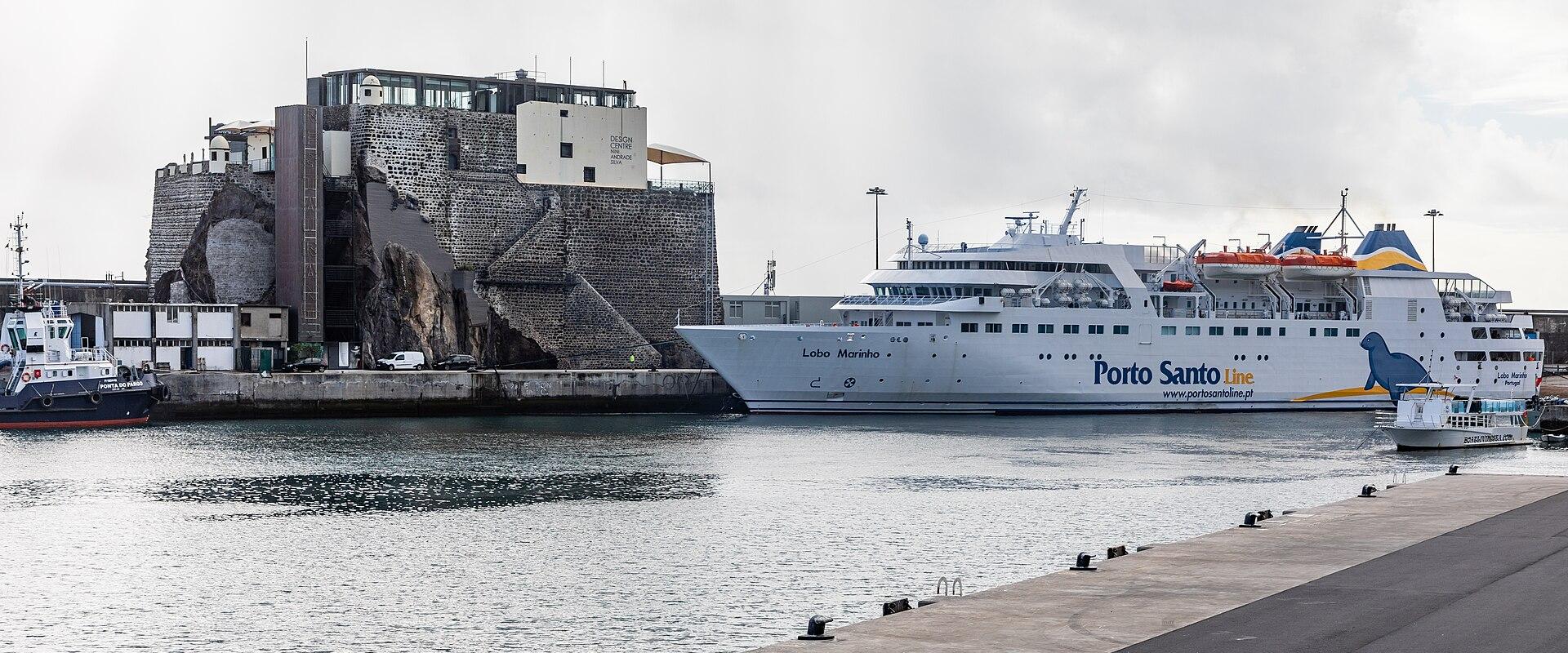
Lisbon’s Tagus River crossings define daily commuter life. Transtejo ferries run frequently between Cais do Sodré and Cacilhas. These short trips take approximately fifteen minutes. They offer an efficient alternative to bridge traffic. Porto’s Douro River features fewer but vital links. Services connect the historic Ribeira district to Vila Nova de Gaia. These routes facilitate quick access to wine cellars. The Azores present a complex inter-island network. Ferries link São Miguel with Terceira and Pico. Schedules vary by season and weather conditions. Travelers must check timetables before booking. Madeira operates a single main route. The ferry connects Funchal to the island of Porto Santo. This journey takes roughly forty-five minutes. It serves both tourists and local residents. Long-distance connections to Madeira and the Azores rely on sea planes or flights. Ferries do not provide direct mainland links to these archipelagos. The Sado Estuary in Setúbal offers another option. Services cross to Tróia Peninsula. These routes are popular for weekend tourism. Frequency increases during the summer months. All mainland services prioritize local commuter needs. Tourists often use them for scenic views. Prices remain affordable for daily travelers. Budget approximately two euros per crossing. This cost makes ferries a practical transport choice. They reduce reliance on private vehicles. The networks integrate with urban transit systems. Passengers can use the same cards used for buses. This integration simplifies navigation for visitors. Understanding these routes enhances travel efficiency. Planning ahead ensures smooth transitions between locations.
Booking and Scheduling Logistics
Inter-island Azores and Madeira ferries require advance booking. Peak summer months demand reservations weeks ahead. Schedules shift significantly between seasons. Winter timetables often reduce frequency. Operators cut routes during low demand. Weather heavily influences Azorean crossings. Strong winds frequently cancel services. Monitor operator apps for real-time updates. Transtejo tickets cost roughly €1.80 per trip. These are daily commuter fares. Vehicle transport on mainland routes costs extra. Fees vary by vehicle size. Luggage allowances differ by operator. Carry-on bags usually fit free. Large suitcases may incur fees. Check specific airline rules for ferries. Azores Airlines handles some island hops. Their baggage policies apply strictly. Pack light for efficient boarding. Mainland ferries allow standard luggage. No strict weight limits exist. However, space is limited. Store bags near your seat. Keep valuables with you. Always verify departure times online. Sudden changes occur without notice. Arrive thirty minutes early. This allows time for ticket checks. Portuguese ferries prioritize local commuters. Tourists must respect this hierarchy. Flexibility is essential for success.
Traveler Practicalities
Accessibility varies significantly across Portuguese ferry terminals. Smaller ports in the Azores often lack elevators or ramps. Travelers with mobility issues should verify infrastructure beforehand. Payment methods differ by operator and route. Transtejo accepts the standard Viva Viagem card in Lisbon. Cash remains essential for island crossings and smaller terminals. Always carry euros for ticket purchases on remote routes. Onboard amenities range from basic to comfortable. Mainland commuter ferries offer simple seating and standing areas. Inter-island vessels provide enclosed lounges and snack bars. Comfort levels depend heavily on the specific operator. Photography opportunities abound on open decks during crossings. The Tagus River offers iconic views of Lisbon’s skyline. Seating near railings provides the best natural light. Morning light illuminates the Alfama district clearly. Afternoon sun creates harsh shadows on the water. Choose seats facing the direction of travel for optimal views. Weather conditions change rapidly in the Atlantic. Bring layers even during summer months. Wind chill is common on open decks. Secure loose items against sudden gusts. Portuguese ferries prioritize safety over luxury. Follow all crew instructions during boarding. Life jackets are located under seats. Emergency exits are clearly marked. Respect local customs by keeping noise levels low. Commuter ferries serve local residents primarily. Be mindful of peak rush hours. These times see heavy passenger volume. Plan journeys outside morning and evening peaks for comfort.