Seasonal Overview
Portugal features distinct Mediterranean and continental climate zones. Geography heavily influences local weather patterns across the region. Spring and autumn offer the most balanced conditions. These seasons provide pleasant weather and long daylight hours. Major cultural events occur during these periods. Holy Week and June festivals in Lisbon and Porto are notable. Summer brings ideal beach weather to the coast. However, July and August see heavy crowds. Accommodation rates in the Algarve and Nazaré rise significantly. Availability becomes limited during these peak months. The off-season runs from November through March. This period features fewer tourists and lower costs. Operating hours shorten, and activities decrease. Weather can be dreary, except during Christmas and Carnival. Shoulder seasons remain mild and pleasant year-round. Travelers should book accommodations well in advance. This is crucial for peak events and shoulder periods. Avoiding July and August reduces crowd exposure. Planning ahead ensures better availability and pricing.
Spring and Autumn Balance
Spring and autumn provide ideal conditions for sightseeing in Portugal. Temperatures remain mild, avoiding the intense heat of July and August. These shoulder seasons offer long daylight hours for exploration. Cultural activities peak during these months. Holy Week celebrations occur across the country in spring. Major festivals take place in Lisbon and Porto during June. Wine harvest opportunities arise in autumn at local vineyards. Crowd levels remain balanced compared to peak summer months. Accommodation rates are lower than in coastal areas like the Algarve. Nazaré also sees reduced pressure during these periods. Operating hours remain standard, unlike the off-season restrictions. Travelers should book accommodations in advance for these events. Prices reflect the high demand for shoulder season travel. The weather supports outdoor activities without extreme discomfort. This balance makes spring and autumn the optimal choice. Visitors enjoy cultural immersion without the summer crowds. Practical details favor this timeframe for efficient travel planning.
Summer Heat and Crowds
July and August bring intense heat to Portugal. Temperatures frequently exceed 30°C in inland regions. Coastal areas like the Algarve remain humid. Heavy crowds congest popular destinations during these months. Lisbon and Porto experience significant tourist density. Accommodation rates surge significantly in peak season. Hotels in coastal zones often reach sky-high prices. Availability becomes extremely limited for last-minute bookings. Travelers face long lines at major attractions. Public transport systems operate at maximum capacity. Heatwaves pose health risks for unprepared visitors. Hydration and sun protection become daily necessities. Midday siesta culture helps locals avoid peak heat. Museums and shops may close during hottest hours. Booking accommodations months in advance is essential. Consider northern regions for slightly cooler conditions. Early morning or late evening sightseeing reduces heat exposure. Avoiding July and August prevents these challenges. Shoulder seasons offer better value and comfort. Planning ahead ensures a smoother summer experience. Prioritize indoor activities during extreme heat periods. Verify hotel air conditioning before booking. Check local weather forecasts daily. Adjust itineraries to avoid midday sun exposure.
Winter Quiet and Charm
The off-season runs from November through March. This period offers significantly lower accommodation costs. Crowds diminish substantially across major cities and coastal regions. Travelers avoid the peak summer rush entirely. Festive atmospheres emerge during the holiday season. Christmas festivities provide unique cultural experiences in Lisbon and Porto. Temperatures drop considerably compared to spring or autumn. Rain becomes a frequent possibility in northern areas. Some attractions reduce their operating hours during winter. Visitors should verify opening times before planning visits. Fewer activities are available compared to peak months. However, mild weather persists in many southern zones. The Algarve remains accessible for outdoor exploration. Book accommodations early for holiday periods. Prices rise during Carnival and Christmas weeks. Shoulder months offer a balance of cost and comfort. Winter travel suits those seeking quiet reflection. Fewer tourists allow for deeper engagement with local culture. Public transport remains reliable throughout the season. Coastal walks are pleasant without summer humidity. Museums and galleries operate with shorter queues. This season prioritizes relaxation over intensive sightseeing. Lower prices make extended stays more feasible. The charm lies in the reduced pace. Authentic local life becomes more visible to visitors.
Regional Weather Variations
Portugal’s geography creates distinct microclimates across its regions. Travelers must account for these differences when planning itineraries.
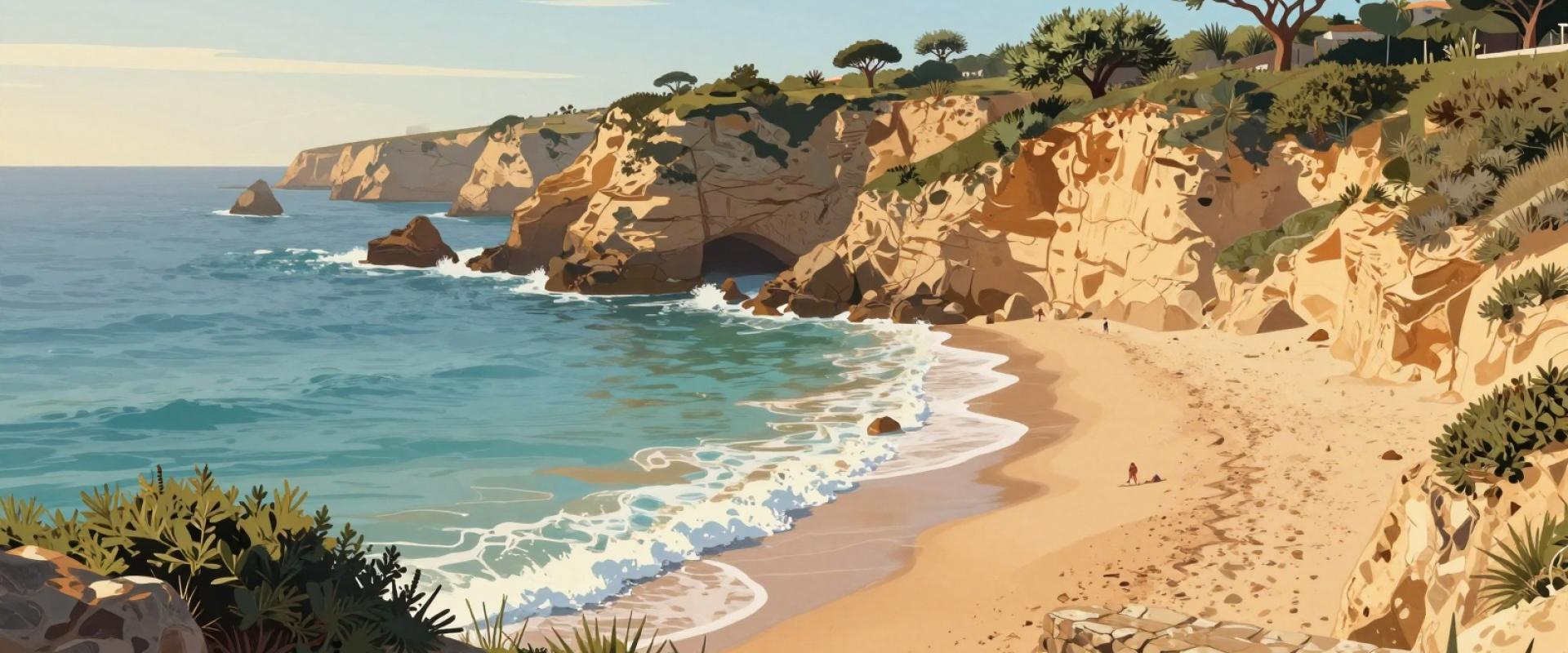
The Algarve The southern coast offers the warmest and sunniest conditions. This region receives the highest annual sunshine hours. Summer temperatures frequently exceed 30°C. The Atlantic breeze provides slight relief from the heat. This area remains dry even in winter months.
The North\nNorthern Portugal features a cooler, rainier climate. Porto receives significantly more precipitation than the south. Spring and autumn bring frequent showers. Temperatures rarely reach the extreme highs seen inland. This region supports lush green landscapes due to consistent rainfall.
Lisbon and Central Portugal These central zones experience a moderate Mediterranean climate. Temperatures balance between the north’s coolness and the south’s heat. Rainfall is moderate, concentrated mostly in winter. Summer days are warm but less humid than coastal areas.
The Islands Madeira and the Azores offer subtropical stability. Temperatures remain consistent year-round, rarely dropping below 15°C. Rainfall is distributed evenly throughout the seasons. These islands provide reliable weather for outdoor activities regardless of the month.
Planning and Booking Advice
Book accommodations well in advance for peak events. June festivals in Lisbon and Porto draw heavy crowds. Summer months bring sky-high rates in the Algarve. Nazaré also experiences limited availability during this period. Avoid July and August for budget travel. Shoulder seasons offer better value and balance. Spring and fall provide pleasant weather conditions. These periods suit sightseeing and cultural activities. Holy Week events require early planning. Christmas festivities attract visitors to major cities. Carnival celebrations demand specific booking strategies. Off-season travel from November to March costs less. However, operating hours shorten significantly. Fewer activities remain available during winter months. Flexibility helps manage unpredictable weather patterns. Cancellation policies vary by region and season. Coastal areas fill quickly during summer peaks. Inland regions remain accessible year-round. Plan itineraries around local event calendars. This approach optimizes travel efficiency and cost. Short, clear sentences aid quick decision-making. Prioritize key destinations during high-demand periods. Secure lodging early for June festivals. Monitor prices for shoulder season deals. Adjust plans based on real-time availability. This strategy ensures a smoother experience. Travelers save time and money through foresight. Local knowledge enhances booking success rates.