


Portugal’s Wine Heritage
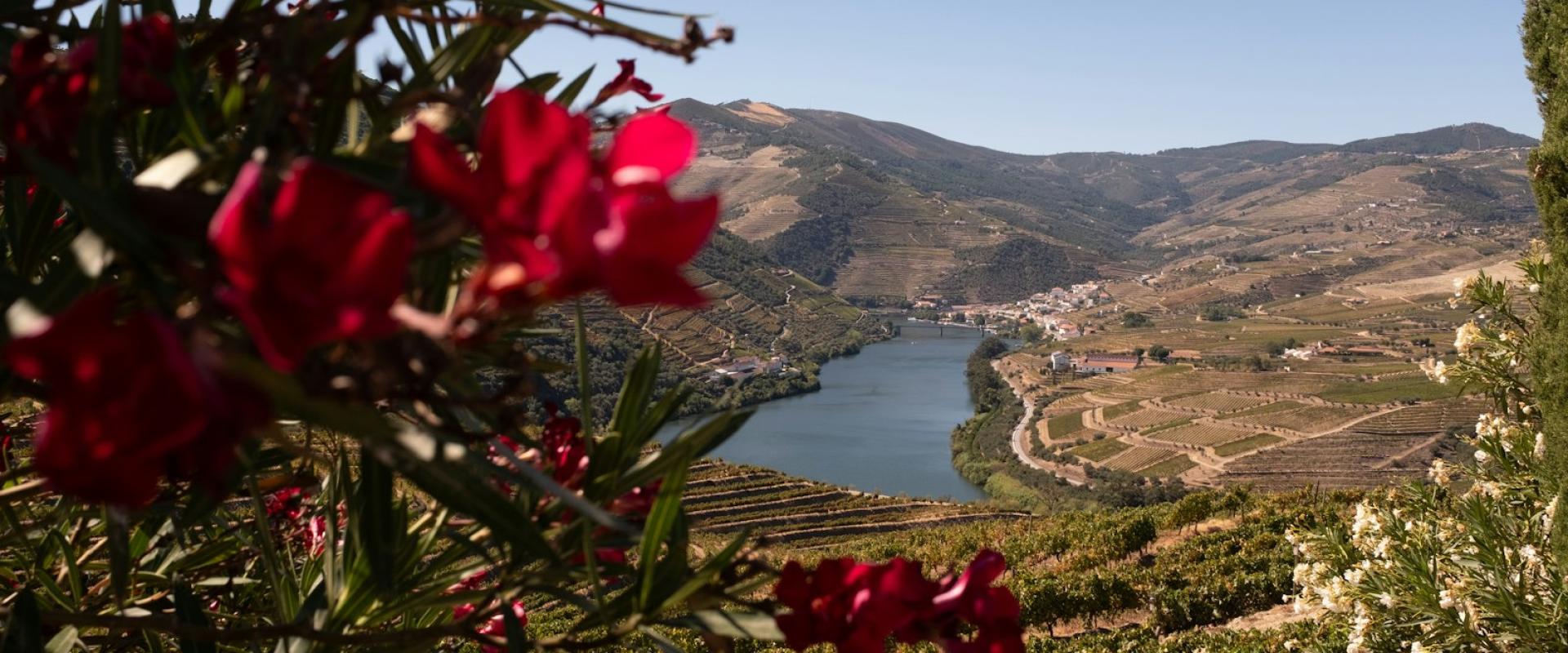
Portugal’s viticulture dates back to Roman times. Indigenous grapes define its unique character. Touriga Nacional thrives in the Douro Valley. These vines grow on steep, terraced slopes. The region produces fortified Port wine. Alentejo offers a distinct southern experience. Whitewashed villages surround cork oak forests. Bold reds dominate this warmer climate. Wine connects deeply to cultural identity. Tastings require advance reservation. Book appointments weeks before arrival. Plan two tastings per day maximum. This pace allows for proper recovery. Intersperse visits with local culture. Transport options include drivers or trains. Self-driving requires caution on narrow roads. Choose bases near key regions. Douro suits northern exploration. Alentejo fits southern itineraries. Local guides provide essential context. They explain historical production methods. You learn about soil variations. Each region shows distinct terroir. Respect local traditions during visits. Portuguese hospitality enhances the experience. Knowledge of grape varieties improves enjoyment. Focus on quality over quantity. This approach ensures a meaningful tour.
The Douro Valley offers terraced landscapes for Port wine tastings. UNESCO status protects these historic vineyards. Touriga Nacional vines dominate the steep slopes. Alentejo provides a relaxed pace for bold reds. Cork oaks dot the whitewashed village surroundings. Vinho Verde delivers crisp whites in cooler climates. Tasting appointments require early reservation. Book tours well in advance to secure slots. Plan two tastings per day for optimal pacing. Intersperse visits with cultural activities and recovery time. Transport strategies vary significantly by region. Self-driving offers flexibility in the Douro Valley. Trains connect major towns in the north. Alentejo often requires a hired driver. Touch Tours provides rated experiences with lunch. Family farm lunches accompany some Douro itineraries. Verify local transport options before booking. Prioritize intention when selecting your base location. Choose regions based on preferred wine styles. Avoid rushing between multiple estates daily. Recovery time ensures a quality experience. Research specific logistical needs for each area. Portugal’s wine country demands strategic planning. Success depends on clear regional selection.
Booking and Etiquette
Advance reservations are essential for Portuguese wine tastings. Many quintas require bookings weeks ahead. Peak summer months demand early planning. Limit tastings to two per day. This pace prevents palate fatigue and exhaustion. Avoid strong perfumes or scented lotions. These odors interfere with wine aroma detection. Always ask permission before photographing staff. Respect private property boundaries on vineyard grounds. Spitting is common and encouraged practice. It allows tasting multiple wines safely. Swallowing is acceptable in moderation. Engage directly with winemakers and guides. Ask specific questions about local grape varieties. Inquire about traditional food pairings. Alentejo wines often accompany local cheeses. Douro reds pair well with hearty meats. Touch Tours offers structured tasting itineraries. These include lunch at family farms. Such packages simplify logistics for visitors. Confirm transport options before arrival. Self-driving requires strict adherence to limits. Designated drivers ensure safe travel. Respect local customs during visits. Politeness enhances the overall experience significantly.
Transport and Accessibility
Public transport rarely reaches remote vineyards in Portugal. Tourists must rely on private transfers or guided tours for access. These options ensure safe navigation of narrow, winding roads. Driving in the Douro Valley presents steep, terraced challenges. The terrain requires experienced drivers familiar with local conditions. Alentejo offers flatter roads, making self-driving more feasible. However, distances between estates are significant. Private drivers reduce fatigue and allow full enjoyment. Historic quintas often lack modern accessibility features. Cobblestone paths and uneven floors may hinder mobility. Visitors with special needs should communicate requirements early. Many estates prioritize safety over convenience. Booking a guided tour simplifies logistics significantly. These services handle reservations and route planning. Touch Tours offers rated experiences with tastings and lunch. Such packages include transport, removing navigation stress. Always confirm accessibility details before arrival. Some rural locations have limited infrastructure. Planning ahead ensures a comfortable and safe experience. Private transfers provide flexibility for spontaneous stops. This approach maximizes time at each estate. Avoid relying on trains for wine region travel. Rail networks do not serve most vineyard locations. Self-drive is possible but requires caution. Always designate a sober driver or use a service. Safety remains the priority for all visitors.
Curating Your Itinerary
Limit tastings to two per day. This pace prevents fatigue and ensures quality. Intersperse wine visits with cultural activities. Visit whitewashed villages in Alentejo between tastings. Mix large estates with small family-run wineries. This variety highlights Portugal’s diverse viticulture. Book appointments weeks in advance. Many quintas require strict scheduling. Allow time for spontaneous discoveries. Narrow roads may reveal hidden gems. Balance structured tours with free exploration. Use a driver for safety on winding routes. Touch Tours offers structured options with lunch. Combine Port wine tastings in the Douro Valley. Pair these with relaxed Alentejo reds. Recovery time is essential for enjoyment. Avoid rushing through multiple regions daily. Focus on depth over breadth. Create a schedule that respects local rhythms. This approach yields a memorable experience.