Angra Do Heroísmo
UNESCO historic center in Angra, Azores
Angra do Heroísmo is the oldest city in the Azores and the main town of Terceira, and its historic centre was the first place in the archipelago to be inscribed by UNESCO, in 1983. It was founded in the 15th century and grew as the key port for ships returning from Africa, Asia, and America, which stopped to take on water and supplies and to shelter from the Atlantic. Its harbour, protected by the volcanic peninsula of Monte Brasil, made it one of the most important anchorages in the Atlantic, and the wealth of that trade is visible in the buildings.
The name has its own story. Angra means bay, and the later title do Heroísmo, meaning of heroism, was given in the 19th century in recognition of the city's loyalty to the liberal cause and to Queen Maria II during the civil war of the 1820s and 1830s, when Terceira was the base of the liberal government. The city also suffered greatly in the earthquake of 1 January 1980, which damaged much of the old centre, and the careful reconstruction that followed was part of the reason it was recognised as a world heritage site.
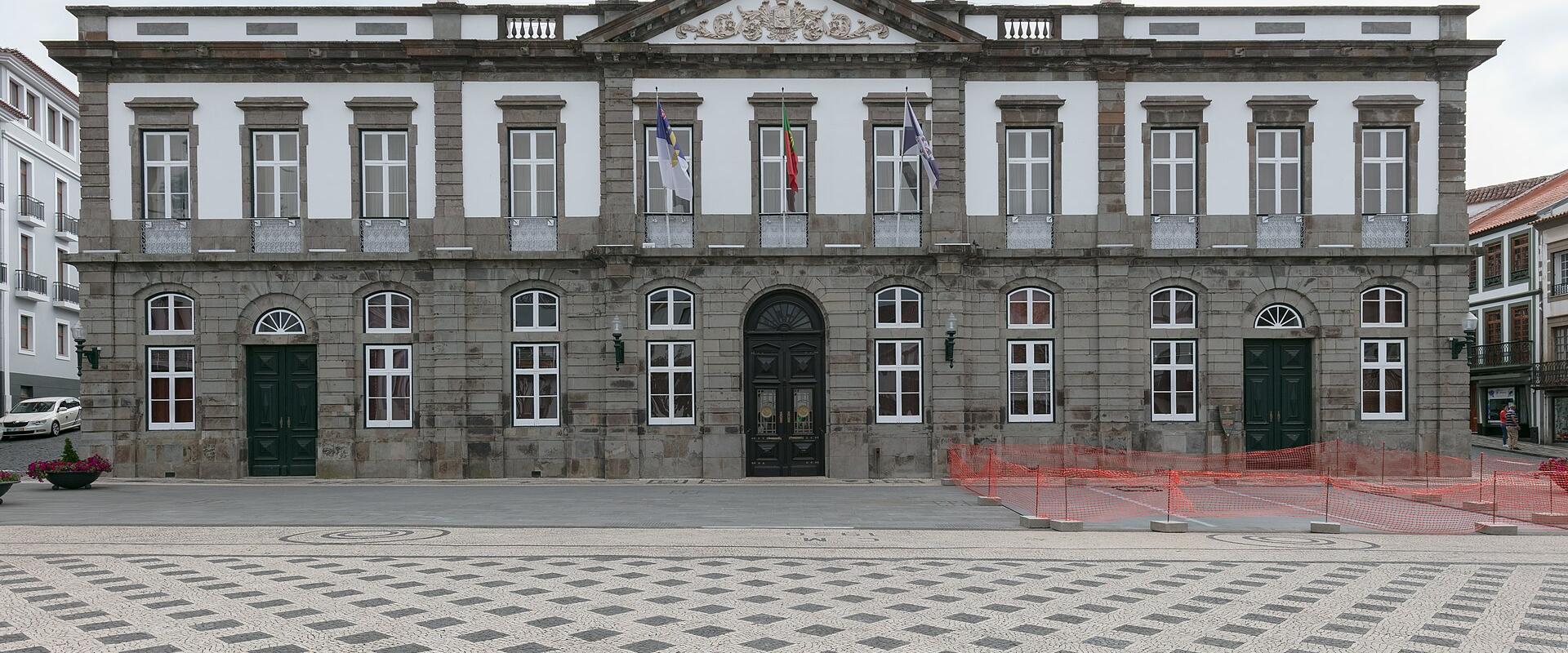
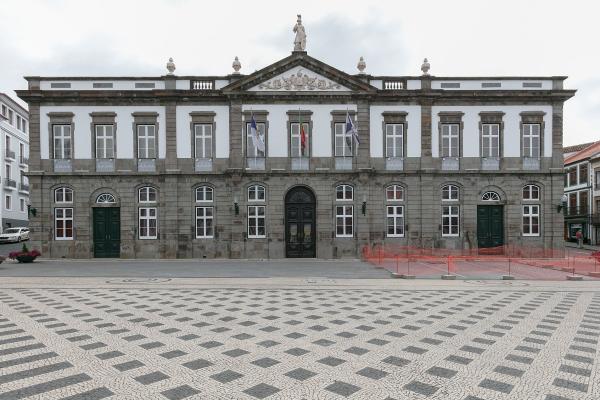
The historic streets are laid out in a regular grid, with pastel-coloured houses, wrought-iron balconies, and cobbled lanes. The Sé, the cathedral, dates from the 16th century and is one of the largest churches in the Azores, and nearby are the Praça Velha, the old main square, the town hall, and the large Jardim Duque da Terceira, a public garden with exotic trees. Above the bay rises the Fortaleza de São João Baptista on the slopes of Monte Brasil, a huge fortress begun in the late 16th century when Portugal was under the Spanish crown, and still partly used for military purposes. The walk up the hill gives wide views of the town and bay.
Local life revolves around food and festivals. The island's cuisine includes alcatra, a slow-cooked meat dish, and sweet pastries, and the little chapels called impérios, painted in bright colours, are used for the Holy Spirit festivals that take place through the summer. The town's own festival in June, the Sanjoaninas, fills the streets with music and parades.
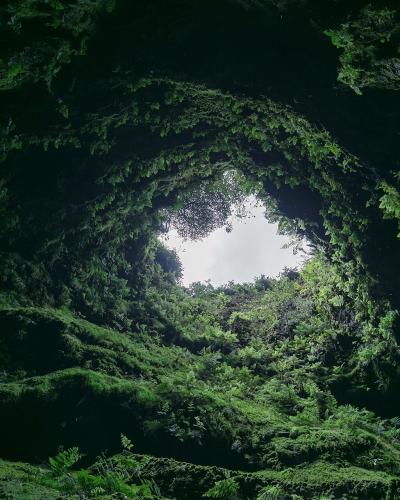
The city is compact and best seen on foot. Nearby is the Algar do Carvão, a volcanic cave, and the island's coastline. It suits history readers, photographers, and anyone interested in Atlantic maritime history.
More photos coming soon
Frequently Asked Questions
Quick Facts
Best Time to Visit
May to October offers mild weather, lush scenery, and vibrant festivals—ideal for hiking, exploring caves, and enjoying Terceira’s cultural events.