

Chibanes Hillfort
Prehistoric hillfort with Roman ruins in Palmela
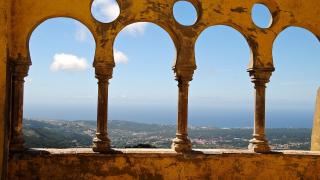
The Castro de Chibanes sits on a ridge of the Serra do Louro, inside the Arrábida Natural Park, a short distance from the town of Palmela in the Setúbal Peninsula. A castro is a fortified hilltop settlement, the kind of village that people in the Iberian peninsula built from the Copper Age through the Iron Age, and this one is among the most significant in the region. Its position, high above the surrounding plain, makes the reason clear: from here, you can see across the Tagus estuary toward Lisbon, over the Setúbal peninsula and the Sado, and out to the Atlantic.
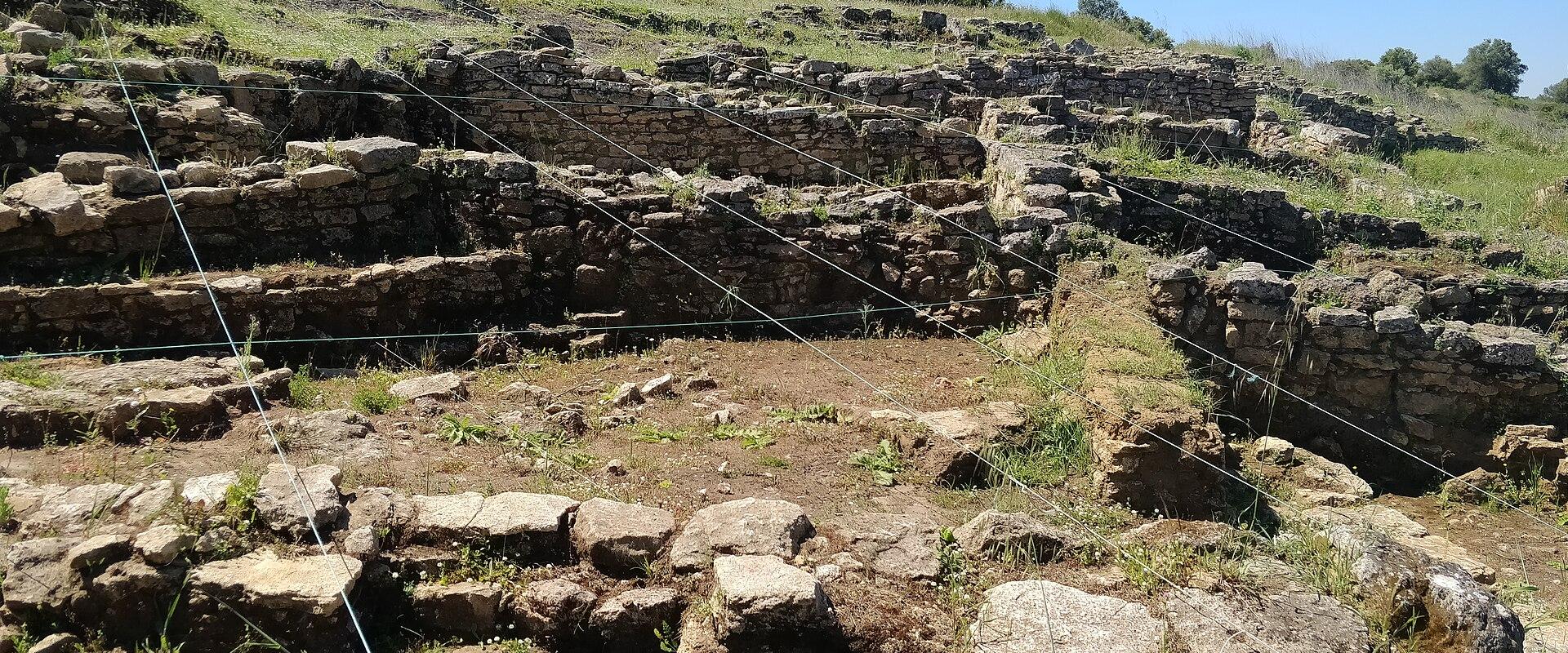
Archaeologists have shown that the site was occupied over a very long time. The earliest settlers arrived in the Chalcolithic, or Copper Age, several thousand years ago, and the hill continued to be used through the Bronze Age and the Iron Age, and into the period of Roman expansion. Later periods are also represented, so the hill shows layers of use rather than a single phase. Over that time, the inhabitants built thick stone walls around the summit, with an enclosure of roughly one hectare, and the outlines of houses and other structures can be traced among the stones. The fortifications are the most striking surviving feature, with massive dry-stone walls that follow the contours of the hill.
The finds from the excavations include stone tools, pottery, metal objects and weapons, and they are kept in the museum of archaeology and ethnography in Setúbal. Digs have taken place at various times, and the site is protected as an area of heritage interest. It is not a polished attraction: you will find ruins, a few information panels, rough paths and a lot of scrub, so the visit feels like a walk through the landscape rather than a museum. That quiet is part of the appeal.
Preparation matters. The hill is steep and exposed, with little shade, so wear sturdy shoes, bring water and a hat, and avoid the midday heat in summer. The site is open to the public in daylight hours, without fixed times or fees, but conditions underfoot can be rough. Spring is the best season, when the slopes are green with wildflowers and herbs, and the air is clear for the views.
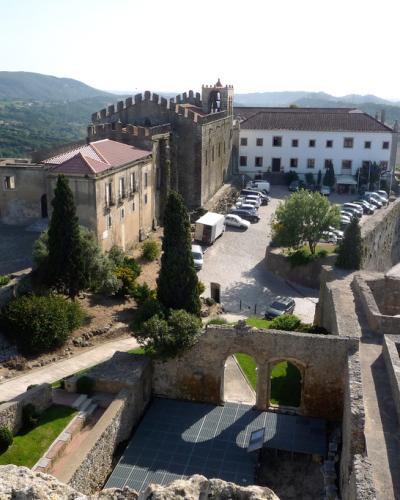
Palmela itself has a great deal to offer. The hilltop castle, once the headquarters of the Order of Santiago, has a pousada inside its walls and a sweeping panorama, and the town is the centre of a wine region known for its Moscatel and for red wines made with the Castelão grape. The nearby Arrábida mountains offer walks, beaches and the Convento da Arrábida. A visit to Chibanes combines naturally with the castle and a wine tasting, and suits archaeology fans, walkers and photographers.
Categories
More photos coming soon
Nearby Attractions
Other places to visit in Palmela
Frequently Asked Questions
Quick Facts
Best Time to Visit
Spring (April-June) and autumn (September-October) offer mild weather, lush vineyards, and vibrant festivals for exploring Palmela’s castle, wine estates, and natural park.