

Palmela Castle
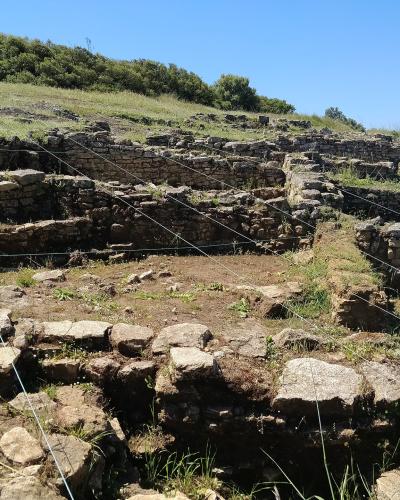
Roman and Moorish ruins on a hilltop in Palmela
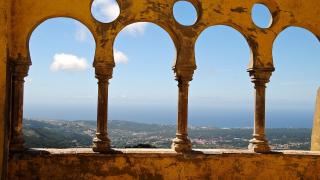
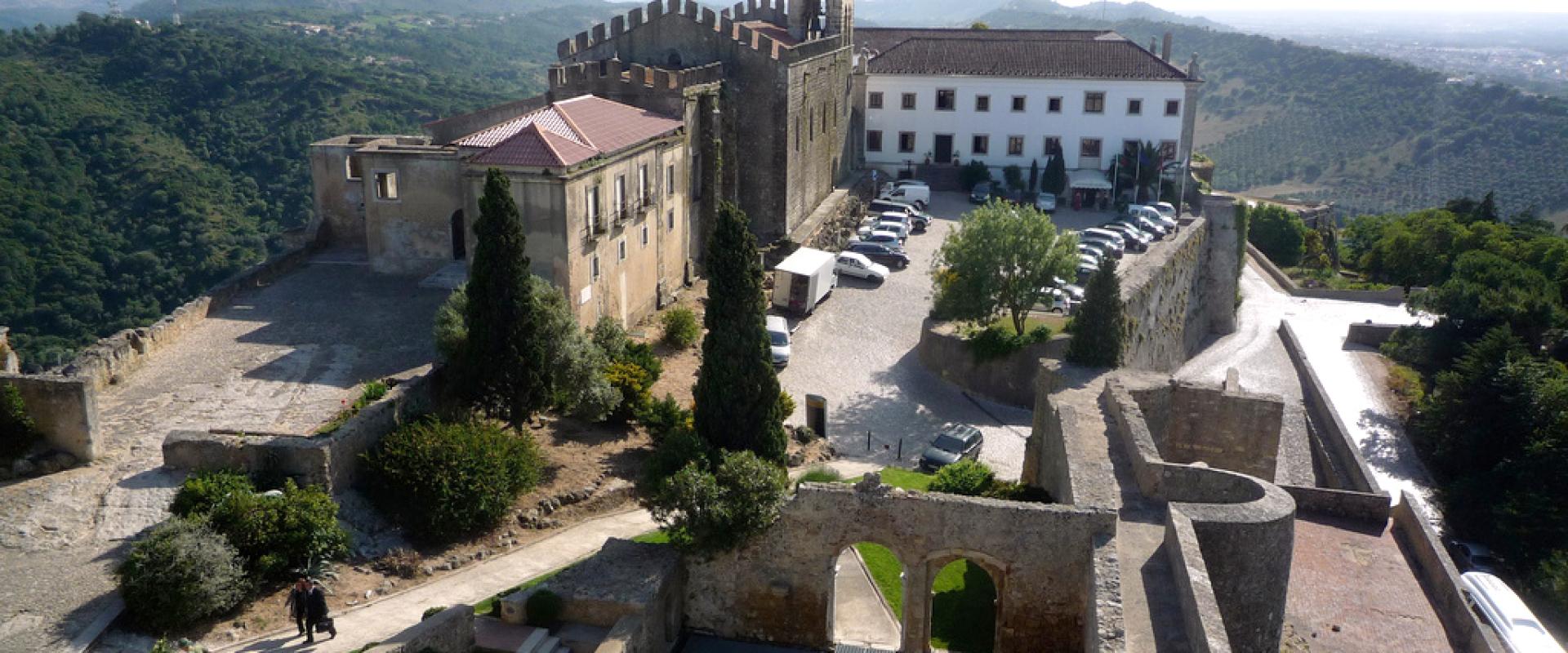
Palmela Castle stands on a hill at about two hundred and thirty metres, the highest point of the Serra de Palmela, and it commands the whole Setúbal Peninsula. On a clear day the view from its walls and tower takes in the estuary of the Sado, the long sand spit of Tróia, the Arrábida mountains to the west, the plain of the Tagus to the north, and in the distance the city of Lisbon. This all-round outlook explains why the hill has been fortified since ancient times, and the castle is one of the best vantage points in the region.
The site was occupied in the Roman period and during the centuries of Muslim rule, and traces of those periods survive in the walls and foundations. After the Christian conquest in the 12th century, the castle passed to the crown, and in 1186 King Sancho I gave it to the Military Order of Santiago, which made it its headquarters in Portugal. The knights strengthened the fortress, built a monastery within its walls in the 15th century, and held the castle for centuries, and the order's emblem, the sword-shaped cross, is part of the town's identity. The fortress was repaired and expanded several times, with large walls and bastions added in the 16th and 17th centuries, and it was damaged in the earthquake of 1755.
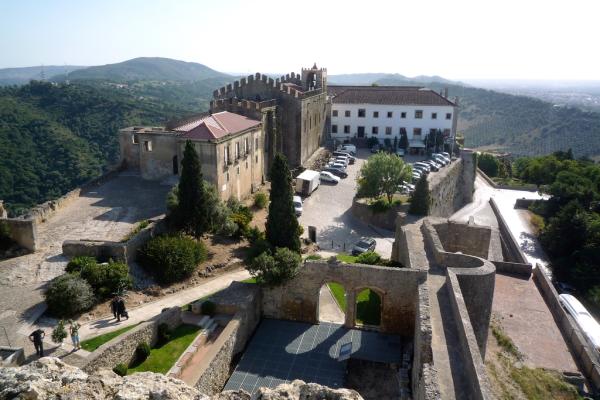
The castle today has a large enclosure of walls and towers, a central keep that can be climbed for the view, ruins of the 12th-century church of Santa Maria, and the old monastery buildings, now converted into a hotel. Visitors can walk along the battlements, explore the courtyard and the ruins, and enjoy the open spaces. A free entry policy for the grounds adds to the appeal. The terrain is open and exposed, with wind and sun, so a hat in summer and a jacket in cooler months are advisable.
Palmela is also a wine town. The surrounding slopes produce well-known wines, especially the sweet fortified Moscatel of Setúbal and good red wines from the Castelão grape, and the town celebrates the harvest with a festival in early September, in which the castle forms the backdrop for ceremonies and tastings. Nearby, the Chibanes hillfort offers traces of Bronze Age and Roman settlements.
The castle suits history readers, photographers, wine lovers, and families, and is a good base for exploring the peninsula. Allow an hour or two.
Categories
More photos coming soon
Hours & Fees
Hours
Open all day
Admission
Free
Nearby Attractions
Other places to visit in Palmela
Frequently Asked Questions
Quick Facts
Best Time to Visit
Spring (April-June) and autumn (September-October) offer mild weather, lush vineyards, and vibrant festivals for exploring Palmela’s castle, wine estates, and natural park.