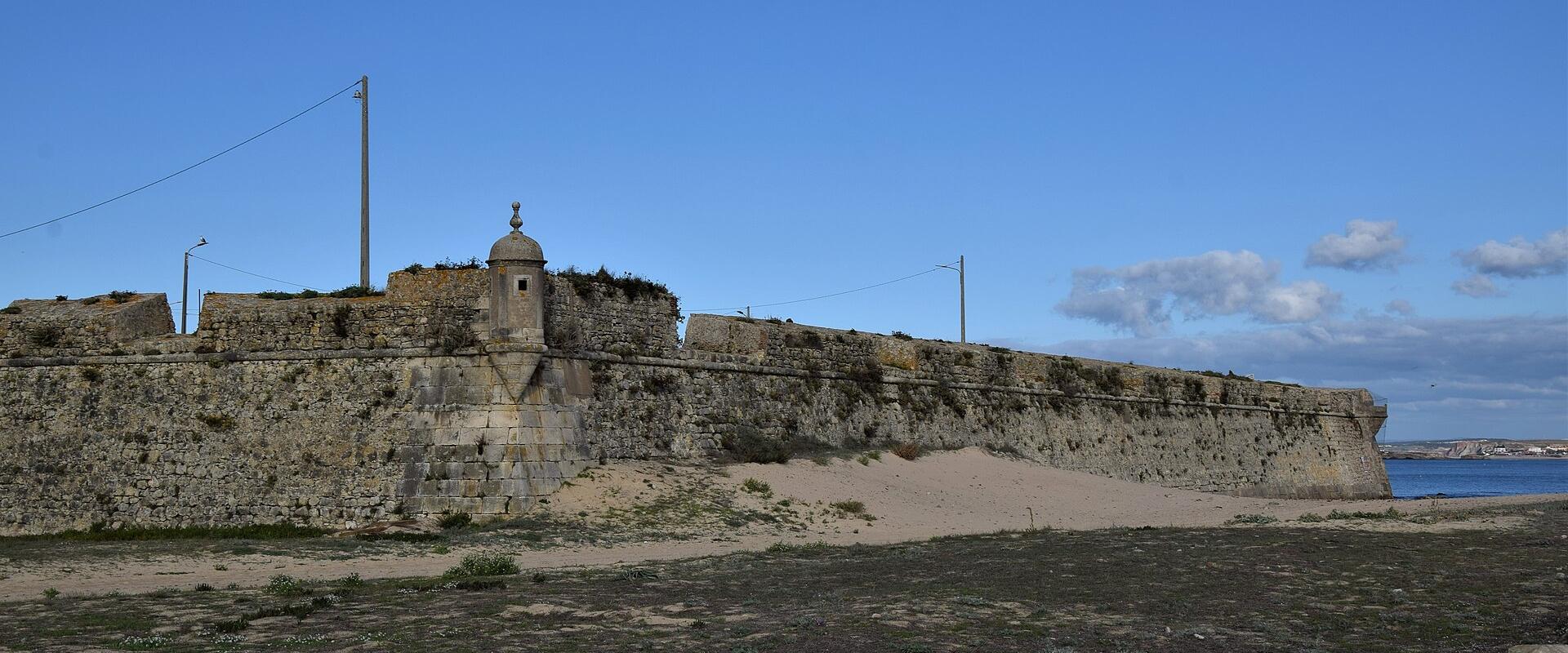
Fortaleza De Peniche (Peniche Fortress)
16th-century fortress and political prison museum
The Fortaleza de Peniche is a thick-walled fortress on the sea at the edge of the town, and its story has two chapters that could hardly be more different: a coastal fort built in the 16th century to defend Portugal against pirates and foreign fleets, and a political prison of the 20th century, where opponents of a dictatorship were locked away. The second chapter is what makes a visit so affecting.
The first fortifications on the headland date from the 16th century, when the peninsula of Peniche, almost an island, was recognised as a strategic position on the Atlantic coast. A fort was built from about 1557 and was extended and strengthened in the 17th century, giving it bastions, ramparts and a series of buildings. It formed part of the coastal defence system for centuries, and in the early 20th century, it had other uses, including as a camp for prisoners of war and refugees. In 1934, under the Estado Novo regime of António de Oliveira Salazar, it became a high-security prison for political prisoners, and it remained so until the Carnation Revolution of 25 April 1974 brought down the dictatorship.
During those four decades, many hundreds of people were imprisoned here, among them communists, trade unionists, students, writers and others who opposed the regime, held in cells, some in solitary confinement, and subject to hardship, surveillance and sometimes torture by the political police. The prison is remembered in particular for a dramatic escape in January 1960, when several leading communists, among them Álvaro Cunhal, got out of the fortress and fled, an event that embarrassed the regime and became part of the folklore of the resistance. After the revolution, the prisoners were freed and the fort closed.
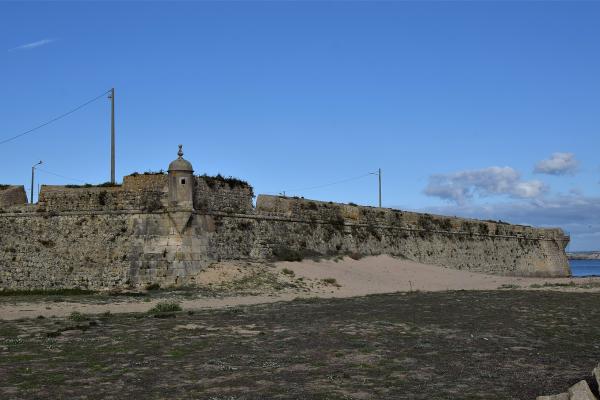
Today, the former prison is a museum, the National Museum of Resistance and Freedom, which has been installed in the buildings and tells the story of the struggle against the dictatorship and the return of democracy. Visitors can walk through the courtyards, the cell blocks, the visiting rooms and the isolation cells, where inscriptions scratched in the walls by prisoners have been preserved, and exhibitions use documents, photographs, objects and testimonies to give a human dimension. The mood is solemn, and the visit is a lesson in recent Portuguese history. The older parts of the fortress, with their ramparts and views of the sea and the harbour, are also open to explore.
Plan on at least an hour or two. Floors are uneven and there are stairs, so wear comfortable shoes, and check the opening hours and ticket arrangements, which may require advance booking in high season. The fortress is near the town centre and the harbour, and it combines with a visit to the fishing port and the beaches. It suits anyone interested in history and human rights.
Categories
More photos coming soon
Nearby Attractions
Other places to visit in Peniche
Frequently Asked Questions
Quick Facts
Best Time to Visit
May to September offers warm, dry weather ideal for beaches and surfing; late spring and early autumn are pleasant with fewer crowds.