- Where
- Madeira, Madeira
- Directions
- Directions
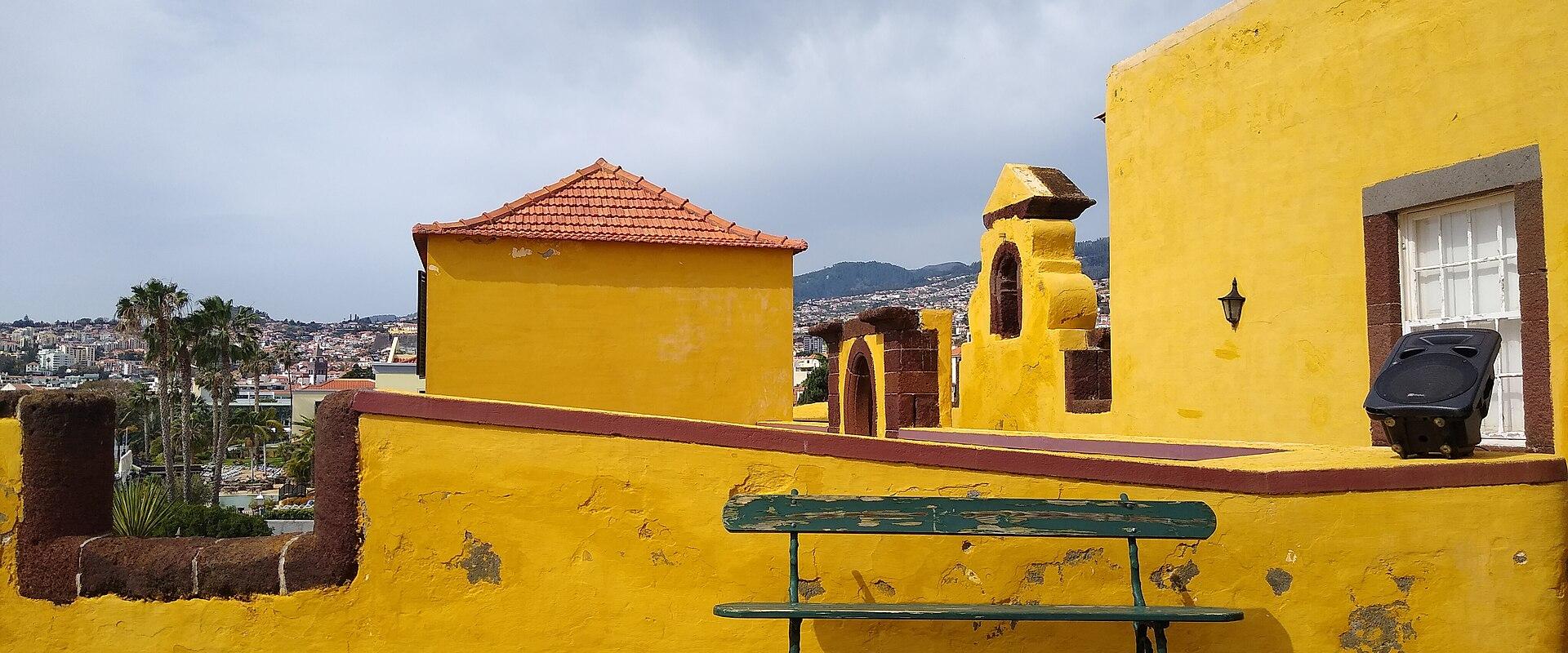
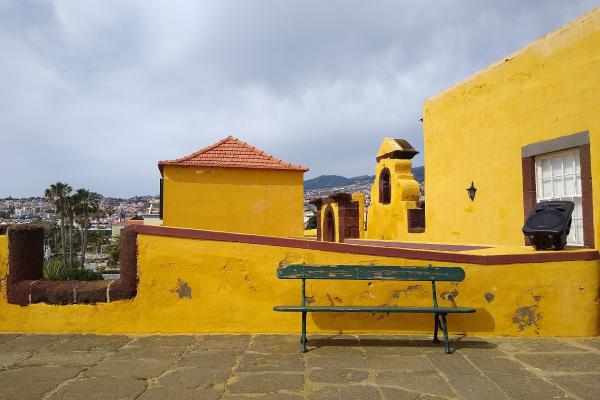
The Fortress of São Tiago is the small ochre-yellow fort that guards the eastern end of Funchal's seafront, at the edge of the Zona Velha, the old town. The building dates from the early 17th century, when Funchal needed defences against the pirates and corsairs who raided the Atlantic islands and the ships that traded with them. It stands on a rocky outcrop with the waves below, and its ramparts look out over the harbour and the open sea.
Funchal's wealth came from sugar and later wine, and that wealth attracted unwelcome attention. The fort was part of a ring of defences that included the larger Fortaleza de São Lourenço, the main stronghold of the city. São Tiago, the smaller of the two, helped cover the eastern approach. During its working life, it saw varied use. British troops, present on Madeira during the Napoleonic period, were housed here, and after the disastrous flood of 1803, it is said to have sheltered people made homeless by the water. Later on, it was a barracks.
The fort was restored in the late 20th century and for years housed the Madeira Museum of Contemporary Art, which opened in the 1990s. The museum's collection of modern Portuguese art has since moved elsewhere in the city, and the building is now used mainly as a heritage site and a venue. The yellow walls and the original gateway on Rua do Portão de São Tiago remain the main attraction, along with the sea views from the terrace and the courtyard, which give a good idea of how a small coastal fort worked.
The location makes this an easy addition to a walk through the old town. Just below the fort is the small pebble beach of São Tiago, a handy place for a dip in the Atlantic. A short walk west along the front brings you to Rua de Santa Maria, which is known for its painted doors and its many restaurants, and further on to the Mercado dos Lavradores, the farmers' market where fruit, flowers and fish are sold. The cable car to Monte begins a little further along the waterfront.
Visiting is straightforward. The fort is compact, so you can see it in under an hour, and it is best photographed in the late afternoon when the sun lights its walls. Check locally for current opening times, as these change with exhibitions and events. The surroundings are steep and cobbled, so comfortable shoes are useful. For those interested in history, combine it with the Fortaleza de São Lourenço and a visit to the Sé, Funchal's cathedral. The fort suits history lovers and photographers, and also anyone who wants a few quiet minutes above the sea away from the busier waterfront promenade.
Categories
More photos coming soon
Nearby Attractions
Other places to visit in Madeira
Monte Palace Tropical Garden
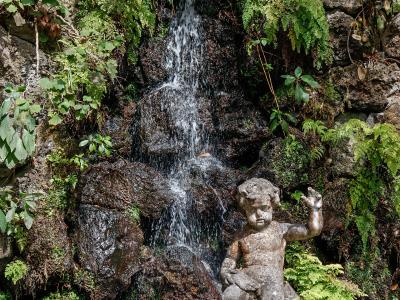
70,000 sqm garden with art and exotic flora
Cultural Experiences · Gardens
Monte Palace Madeira
Tropical garden with African art and mineral museum
Cultural Experiences · Gardens
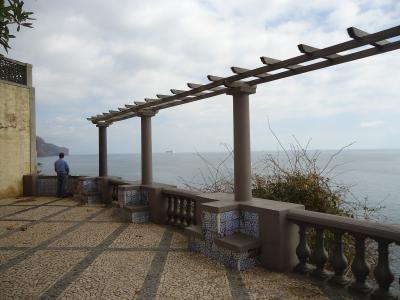
Miradouro Do Socorro
Panoramic ocean and city views in Funchal
Coastal & Maritime · Natural Wonders
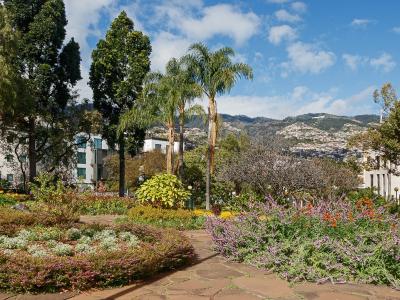
Santa Catarina Park
Panoramic Funchal Bay views amid diverse flora
Natural Wonders · Urban Exploration
Questions people ask
Quick Facts
Best Time to Visit
June to September offers warm, dry weather for hiking and festivals, but Madeira’s mild climate and lush scenery make it enjoyable year-round.