

Furnas Hot Springs
Volcanic hot springs and thermal baths in Furnas
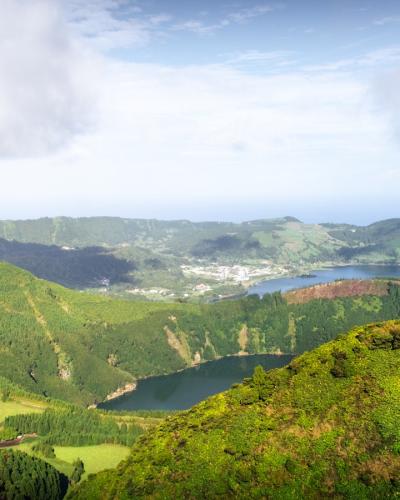
The Furnas valley, in the east of São Miguel, is the most active thermal area in the Azores, and visiting it is one of the highlights of the island. It lies inside a huge volcanic crater, the Furnas caldera, whose last major eruption was in 1630, and the heat that remains beneath the ground comes to the surface in many ways: steaming vents, bubbling pools, hot streams, and springs of mineral water that taste of iron and fizz gently on the tongue. The name Furnas means furnaces, and it fits.
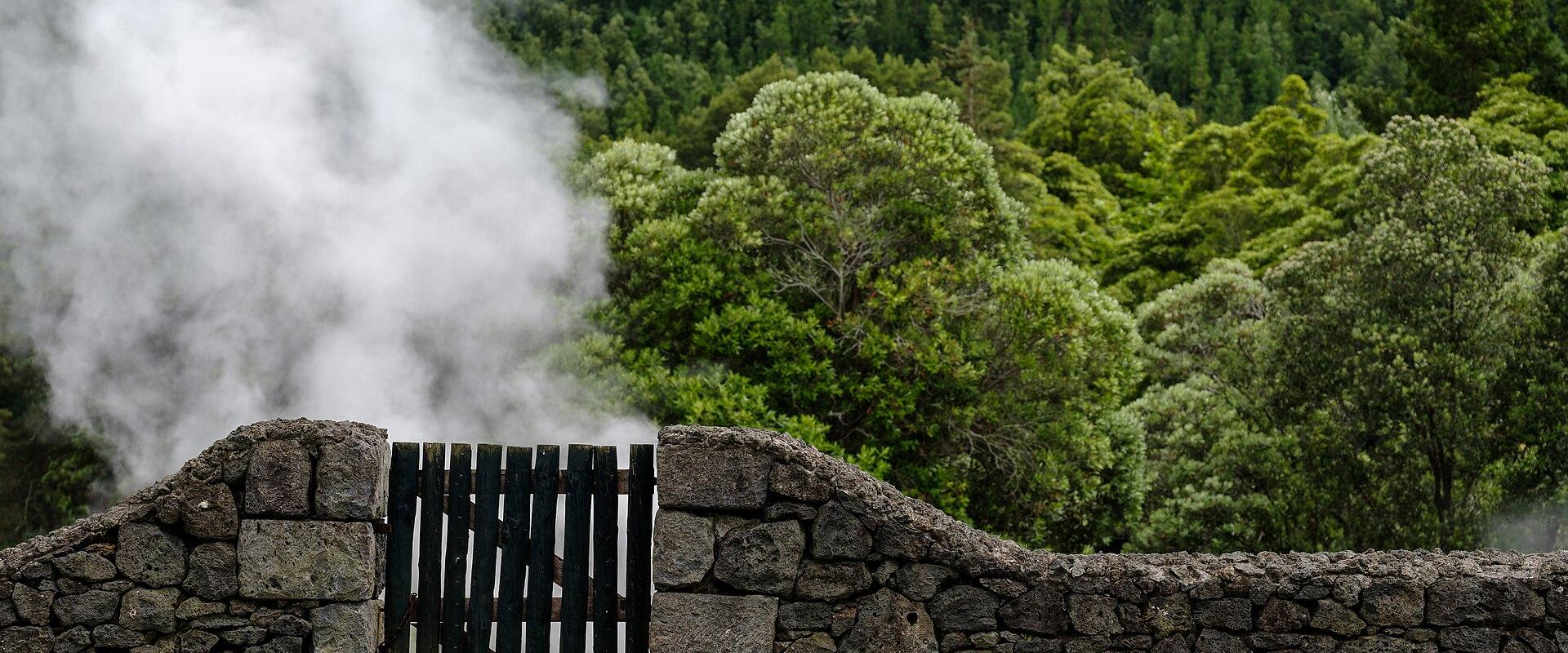
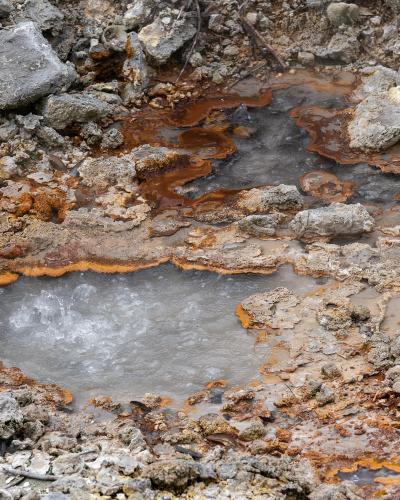
The main concentration of activity is in the Caldeiras, a small area at the edge of the village where fumaroles hiss out of the ground, pools of hot water boil and bubble, and the air smells of sulphur. A boardwalk runs around the area, and signs explain the different springs. Nearby, local cooks use the heat of the earth to prepare the island's best-known dish, the cozido das Furnas. Pots filled with meat, sausage, and vegetables are lowered into holes in the volcanic ground, covered with earth, and left for around six hours, and the result is a tender, richly flavoured stew that can be sampled at restaurants in the village around lunchtime.
Bathing is the other major attraction. The Terra Nostra Garden, a botanical park founded in the late 18th century by the American consul Thomas Hickling and developed by later owners, contains a large pool of warm, iron-rich water that stains the bather's skin and clothing orange-brown, usually at a temperature of around thirty-five to forty degrees. Surrounded by tall trees and ferns, it is a memorable place to soak, especially in cool, damp weather. A little further on, the Poça da Dona Beija, a smaller set of pools in a garden, offers a similar experience with clear, warmer water. Bring a swimsuit and an old towel, and expect the water to leave a rusty colour on light fabrics.
The valley also has the lake of Furnas, with a walking path and fumaroles along its shore, and drinking springs where visitors can taste the naturally sparkling mineral water. The village is quiet, and the best time to visit is in the morning or evening, away from tour groups.
The springs suit families, couples, and anyone interested in volcanoes and wellness. Allow at least a day.
Categories
More photos coming soon
Nearby Attractions
Other places to visit in São Miguel
Frequently Asked Questions
Quick Facts
Best Time to Visit
May to October offers mild weather, lush scenery, and optimal conditions for hiking, hot springs, and whale watching on São Miguel.