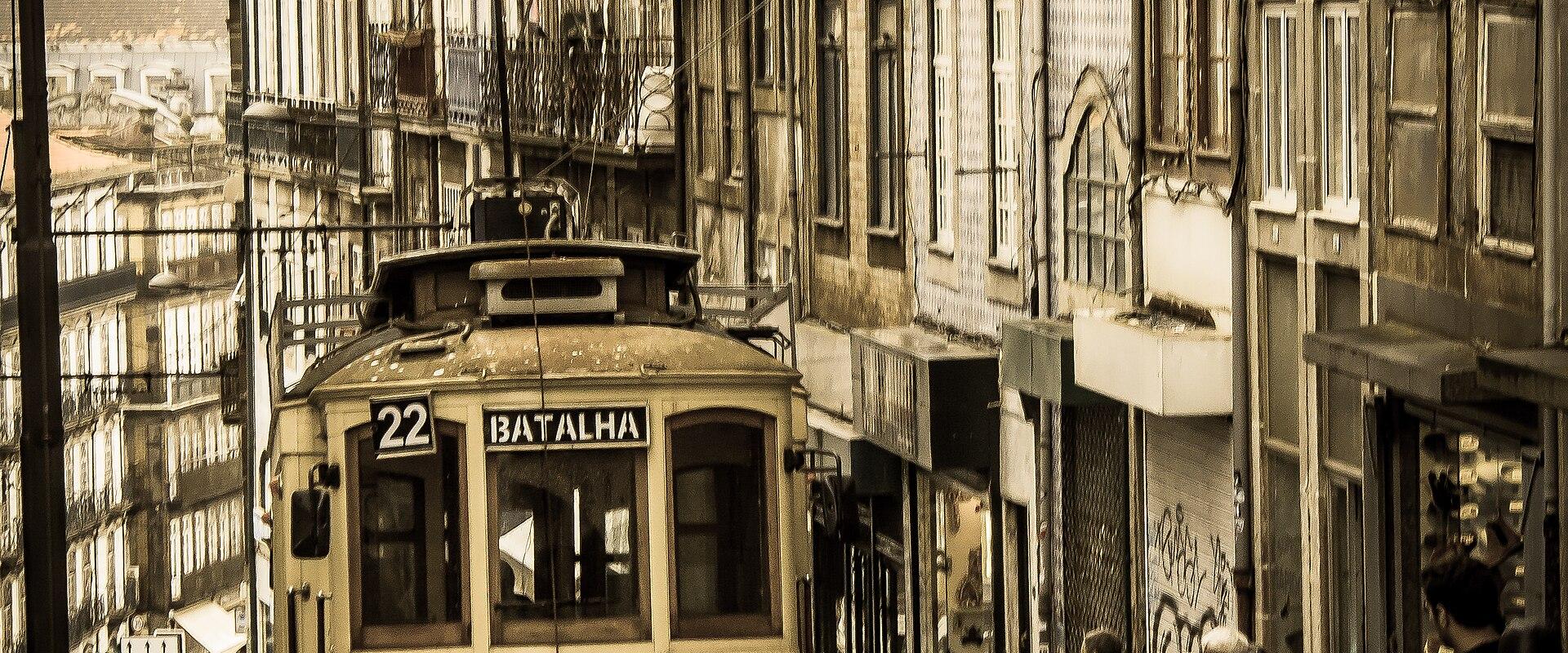
Historic Monuments (Porto)
Historic landmarks showcasing Porto’s rich heritage
Porto's historic core is dense with monuments, and the best way to see them is to follow a loop that runs uphill and downhill in about half a day. The route passes through the area UNESCO inscribed as the Historic Centre of Porto in 1996, and it shows how the city's wealth from trade, wine and the sea was turned into stone, gilt wood and tile.
The cathedral, the Sé, sits on the hill at the top of the old town, and it is the oldest of the major monuments. The building was begun in the 12th century in the Romanesque style, with fortress-like walls and towers, and altered in later periods. A Baroque loggia on the side, designed by the Italian-born architect Nicolau Nasoni in the 18th century, adds an elegant touch, and the Gothic cloister is lined with blue azulejo panels. From the terrace in front, the view over the roofs of the Ribeira and the river is one of the best in the city.
Downhill and north, the Clérigos Church and its tower are the work of Nasoni as well, who settled in Porto and shaped much of its Baroque look. The church, completed in the 1750s, has an oval nave, and the granite tower, about 75 metres high, was for years the tallest structure in Portugal and a landmark for ships. Climbing its 225 steps takes a few minutes and rewards you with a 360-degree view of the city.
The São Bento railway station, opened in 1916, is worth entering even if you are not catching a train. Its entrance hall is covered with about 20,000 blue and white azulejos, painted by the artist Jorge Colaço in the early 20th century, depicting scenes from Portuguese history, including the arrival of King João I in Porto, and from rural life. Near the river stands the Palácio da Bolsa, the Stock Exchange Palace, a neoclassical building of the 19th century, whose interior is famous for the Arab Room, a lavish hall decorated in the Moorish Revival style, with gilded stucco. It can be visited by guided tour. The nearby church of São Francisco has an interior covered in gilded woodcarving, one of the most spectacular displays of Baroque decoration in Portugal.
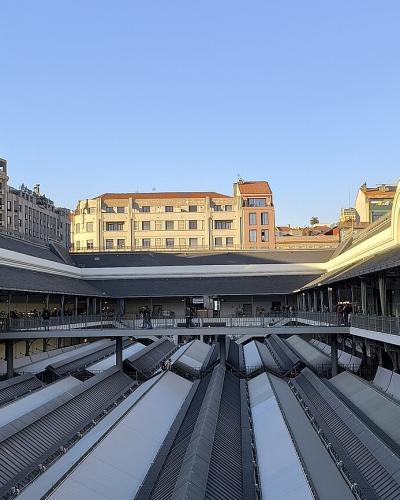
Other stops on the route include the Mercado do Bolhão, the neoclassical market, and the Livraria Lello bookshop, and the gardens of the Palácio de Cristal, a park on a hill above the river with views over the Douro and the sea. Entry to the cathedral's main nave is free, and the cloister, the Clérigos tower and the Bolsa Palace charge fees, so allow for tickets. Comfortable shoes are essential, since the streets are cobbled and steep. Start early to avoid crowds, and take a break at a cafe along the way.
Categories
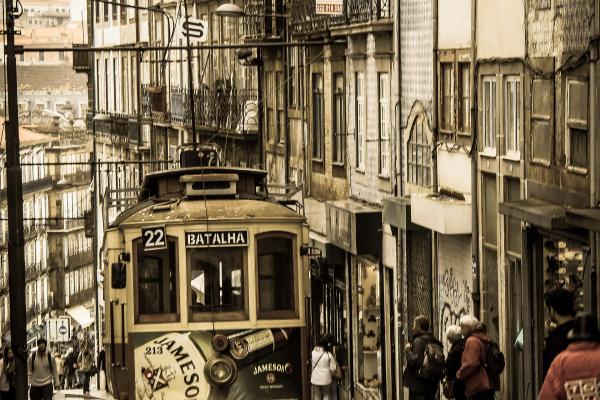
More photos coming soon
Nearby Attractions
Other places to visit in Porto
Frequently Asked Questions
Quick Facts
Best Time to Visit
May to September offers warm, sunny weather ideal for sightseeing and riverfront activities; spring and early autumn are especially pleasant and less crowded.