Ínsia Fortress
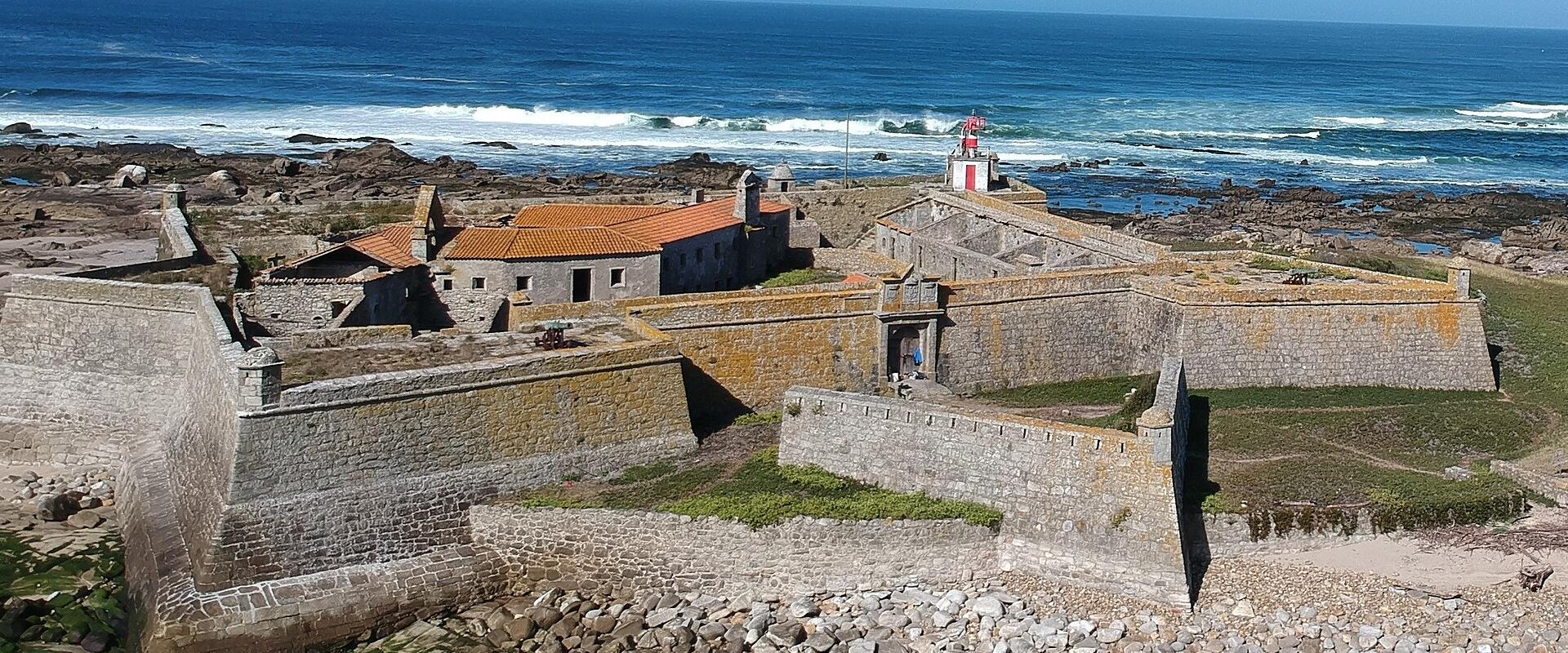
17th-century fortress-monastery on Ínsua Island
The Ínsua Fortress occupies a small granite island at the mouth of the Minho River, a few hundred metres off the coast near Caminha, and it faces the beach at Moledo across the water. Unusually, it combines two layers of history in one place: the ruins of a medieval Franciscan monastery and a star-shaped 17th-century fort, both packed onto a rocky islet that the sea almost surrounds. The site is classified as a national monument, and it is among the most atmospheric historic sites in the north of Portugal.
The monastery came first. A religious community settled on the island in the late 14th century, and a Franciscan monastery was founded there in 1392. The island was exposed to attack from the sea, and the monks suffered from pirate raids, so defensive walls were added in later centuries. Records show renovations in the 15th and 16th centuries, when royal patronage supported the buildings. The island's later history is military. After Portugal restored its independence from Spain in 1640, the northern frontier became a front line, and in the 1640s and 1650s the fort was built to defend the entrance to the river. The bastions, with their sharp angles, follow the military design of the time, and they were laid out to give overlapping fields of fire over the estuary.
Today the fort is a quiet ruin, softened by sea air and wild plants. Visitors walk through the entrance, around the ramparts and into the interior, where the remains of the monastery, including walls and part of the church, can be seen. The views from the walls are fine, over the river mouth, the Spanish coast and the pine woods on the Portuguese shore. The island is small and a visit takes an hour or so, but the journey adds to the experience.
Getting there is half the adventure. Small boats, including taxi boats and a seasonal service from Moledo, cross the channel, and some visitors paddle across by kayak or stand-up paddleboard. Check the sea and tide conditions before you go, as the estuary can be rough when the wind rises and the river is in flood. Come with water and sun protection, as there are no facilities on the island, and wear shoes with grip for the uneven stone. Admission is free and the site is open to the public, but access depends on the boat service and the weather, so check locally.
The fort pairs well with a day at Moledo beach or a visit to Caminha, a small town with a pretty square, an old tower and a Renaissance church. It suits history lovers, kayakers and families who enjoy a small adventure. The best season is late spring to early autumn, when the sea is calmest.
Categories
More photos coming soon
Hours & Fees
Hours
Open 24 hours a day, 7 days a week
Admission
Free admission
Nearby Attractions
Other places to visit in Praia de Moledo

Frequently Asked Questions
Quick Facts
Best Time to Visit
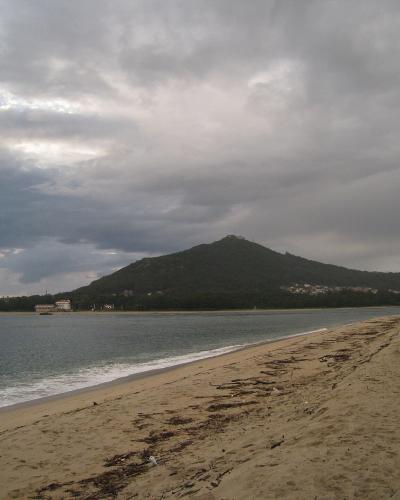
May to September offers warm weather, lively beach scenes, and ideal conditions for surfing, swimming, and exploring Praia de Moledo’s natural beauty.