





New Town (Sintra)
Residential hub with inns and train access
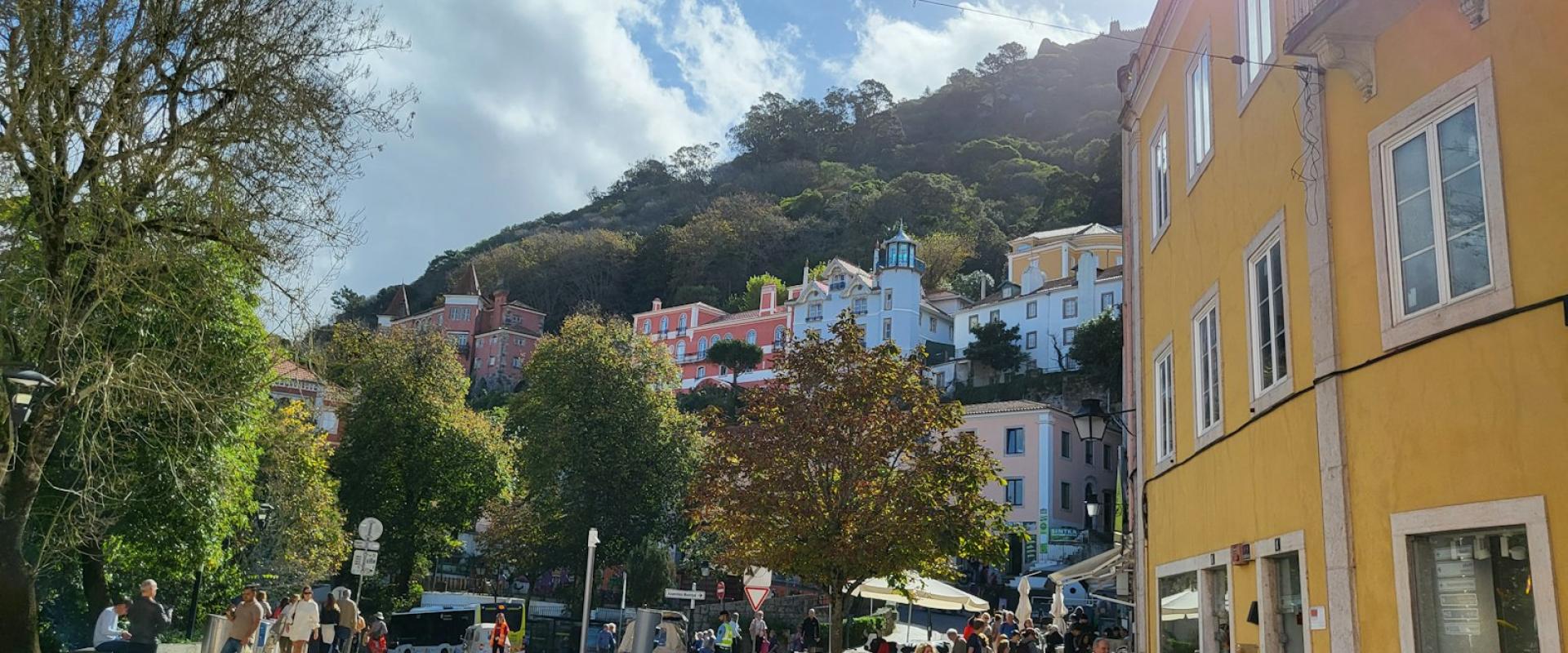
Most visitors to Sintra think of the old town, the palaces and the hills, and walk straight past the part of town they arrive in. The newer district around the railway station, known to locals as the Estefânia area or Vila Nova, is a calmer, more residential neighbourhood, and for many travellers it makes a practical and pleasant base. It lies a short distance from the historic centre, linked to it by a road lined with trees and wide pavements, and the walk takes about fifteen minutes on mostly level ground.
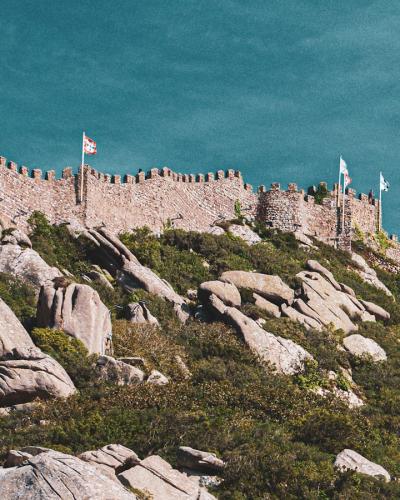
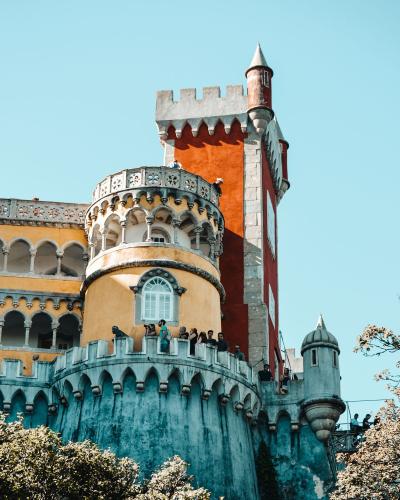
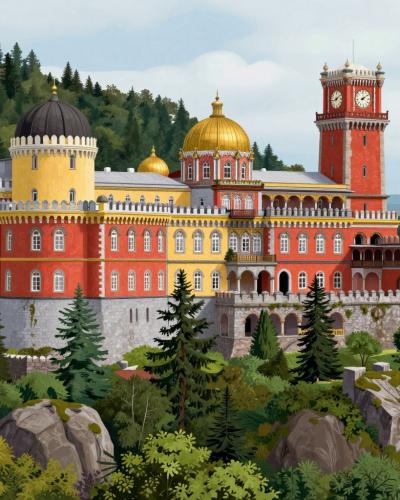
The station is the neighbourhood's focal point. Trains from Lisbon, which take around forty minutes from Rossio or a little longer from other stations, arrive here every fifteen to twenty minutes, so the platforms are busy during the day with day-trippers heading for the palaces. Buses that loop around the hills to the Pena Palace and the Moorish Castle also begin here, as do taxis and tuk-tuks, so this is where most journeys within Sintra start. At the end of the day, the same crowds return, and the pace of the area changes with the arrivals.
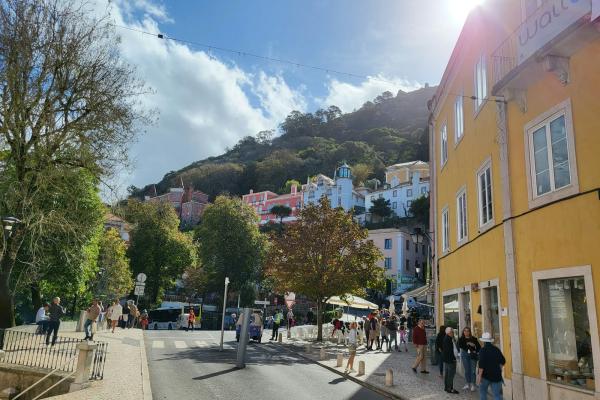
The district itself is made up of ordinary streets, with apartment buildings, small shops, bakeries and cafes, and a handful of guesthouses and inns occupying older houses. It has a lived-in feel that the tourist-focused old town lacks, with locals shopping, children heading for school and neighbours chatting outside bars. Pastries such as pastéis de nata and the regional specialities, travesseiros and queijadas, are easy to find in the local bakeries, often at lower prices than in the centre. Restaurants serving everyday Portuguese food, fresh fish, grilled meat and soups, are scattered along the main streets, and tend to be quieter than the ones in the old town.
There are practical advantages to staying here. Accommodation is generally cheaper and easier to book than in the old centre, and parking, though never plentiful, is simpler to find. You are close to the trains if you are visiting Lisbon, Cascais or the coast by public transport. Quinta da Regaleira, the National Palace of Sintra and the Pena Park are all within reach on foot or by a short bus ride. Sintra's hills are steep, so a base on flat ground is easier on tired legs after a day of walking.
There are no ticketed attractions here, and you can wander at any hour. If you are visiting in summer, expect the old town to be crowded in the middle of the day and quieter in the early morning and evening, when this district comes into its own. It suits travellers who prefer a relaxed, local base and are happy to walk or take a bus to the main sights.
Categories
More photos coming soon
Nearby Attractions
Other places to visit in Sintra
Frequently Asked Questions
Quick Facts
Best Time to Visit
Spring (March-May) and autumn (September-November) offer mild weather, lush gardens, and fewer crowds for exploring Sintra’s palaces and hiking trails.